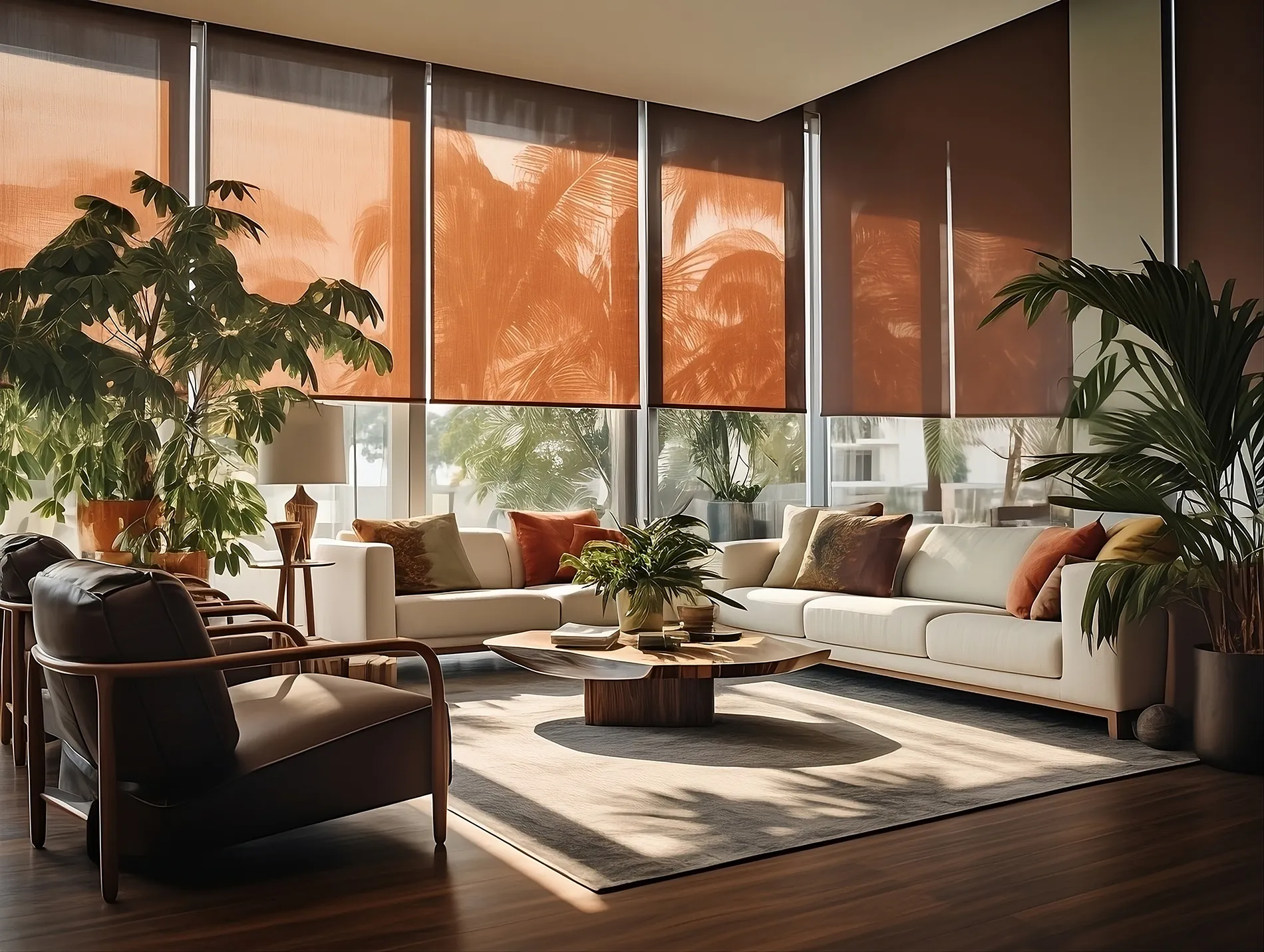
Picture a July afternoon in a Midtown glass box. Sun blasts through the windows, the A/C strains, and the room swelters—until you tap your phone and the shades glide down. Smart shades do more than impress: they block UV fade, tame tall windows, and lower energy use. The U.S. Department of Energy says 75 percent of home shades never move, wasting heating and cooling energy. Automation fixes that and removes dangling cords.
You asked who can motorize Manhattan windows without headaches, so we scored local pros on service, tech, and pricing clarity. Meet the five standouts—and what they’ll cost.
How we picked the winners
You need a shortlist you can trust, not a sponsored-looking roundup. We built a repeatable scorecard and ran every Manhattan installer through it.
First, we compiled companies that hold at least a 4-star average on Google or Yelp and complete projects in Manhattan. Next, we checked public records: manufacturer certifications, years in business, Better Business Bureau files, and Department of Buildings permits. Every claim had to match the paper.
Each installer received points across seven weighted factors that map to real customer headaches. We looked at customer satisfaction and smart-home expertise first, then product range, pricing clarity, warranty support, project speed, and sustainability knowledge. The weights sum to 100.
We also referenced Method1st’s data-driven framework (February 2026), which gave NY City Blinds an 8.8 overall score. Clear criteria make our rankings easy to verify.
Finally, we checked each score against forum posts and designer referrals. When customers praised flawless installs or flagged chronic delays, we adjusted. The result is a Top 5 that balances design sense, deep integration skills, and reliable aftercare—the mix readers told us they want.
Up next: meet the installers and see where each one shines.
1. The Blinds Source – best overall for custom smart shades
The Blinds Source official website, smart shades showroom screenshot
Walk into The Blinds Source’s Garment District showroom, and you step into a space that feels part fabric studio, part tech lab. Swatches cover one wall, while a Lutron roller lowers on command when the consultant says, “Alexa, living-room shade at sixty percent.” The mix of design skill and engineering depth puts this family-run firm at the top of our list.
The team has measured and motorized New York windows for 30 years, so they know every quirk of pre-war casements, skinny loft mullions, and landmark rules that require white backings. During a free in-home consult, they map those hurdles first, then walk you through motor options, explaining how scheduling Motorized Shades to lower automatically can make an empty apartment look lived in, from budget-friendly Somfy batteries to whisper-quiet Lutron drives that integrate with whole-home systems.
Service sets them apart. Quotes arrive itemized to the screw, install dates stay firm, and a dedicated tech returns after move-in to fine-tune shade limits or pair them with your voice assistant. That follow-through explains their near-five-star review average and the designer praise we kept hearing: “They answer the phone five years later.”
Pricing lands in the mid to high range. Expect about $600–$1,200 per window, depending on fabric and motor. In exchange, you receive lifetime installation support and a five-year motor warranty. For most readers, that mix of clear costs, deep tech skill, and attentive aftercare makes The Blinds Source the safest first call.
2. The Shade Store – best for luxury design and showroom speed
The Shade Store website luxury motorized drapery screenshot
Step into a Manhattan Shade Store showroom and every sense fires. Two walls burst with designer fabrics, while a live demo shows ripple-fold drapes closing with theatre-grade quiet. The space feels more playground than store for anyone who loves texture, color, and tech in one cohesive package.
The Shade Store earns second place because it pairs couture-level choice with production muscle few independents match. Every piece is cut and sewn in U.S. workrooms, trimming lead times to just a few weeks, even if you pick zebra-print silk. Add motorization, and Lutron drives slip into almost every style, from tailored Romans to relaxed drapery.
Design help feels refreshingly low-pressure. Consultants pull a tight fabric edit that meets your brief, then use an iPad to preview each look at full-window scale. After you choose, measurement, and install sit on a single invoice, so you are not chasing separate trades. Warranties stay clear: lifetime on craftsmanship, five years on motors.
Prices land at the high end. A motorized roller starts near $1,000 per window and rises with premium textiles. Many clients accept that premium because the process stays smooth. Whether you need full drapery in the living room, solar rollers in the kitchen, or everything synced to Alexa before hosting season, the team checks each box quickly.
Pick The Shade Store when aesthetics matter as much as automation. You will pay for polish, but you leave with showroom-level style, dependable motors, and a delivery date that rarely slips.
3. NY City Blinds – best for whole-home integration
NY City Blinds website smart home integration screenshot
If you want to tap a scene on your phone and watch lights dim, music soften, and every shade glide down together, NY City Blinds is the team to call. They focus on systems thinking, wiring window treatments into the same controller that runs your lighting, HVAC, or security.
Their depth spans multiple ecosystems. Need Lutron shades tied to a HomeWorks processor? Easy. Prefer Somfy motors routed through a Control4 rack? They handle that daily. Method1st’s 2026 comparison gave them an 8.8 overall, with standout marks for smart-integration depth.
Showrooms in SoHo and on the Upper East Side let you test remotes, voice control, and multi-room scenes before you commit. The real value appears during the site visit. Specialists arrive with a laser measurer and an iPad loaded with wiring diagrams. They map power routes, confirm Wi-Fi strength, and flag any co-op rules about exterior uniformity, which prevents surprises later.
Pricing sits in the premium lane; complex jobs often bundle motors, hubs, and programming hours. Clients note that the first-day labor quote rarely shifts and that post-install tweaks happen quickly. When you wire fifteen windows to rise at sunrise and drop when the AC starts, that consistency matters.
Choose NY City Blinds when smart-home cohesion outranks fabric couture. They make sure every shade speaks fluently to the rest of your tech, so you spend less time fiddling with apps and more time enjoying the view.
4. Manhattan Shade & Associates – best for high-end craftsmanship
Some companies lead with tech. Manhattan Shade & Associates leads with a tape measure and a century of textile skill. Founded in the 1920s, this third-generation atelier still hand-finishes hems while fitting state-of-the-art motors into drapes worthy of a magazine spread.
The workflow stays deliberately old-school. An owner visits to measure, carries fabric books, and sketches valance ideas on the spot. Then the talk shifts to function. Need a floor-to-ceiling silk that vanishes each night? They spec a concealed Lutron drive and route wiring behind plaster so nothing disturbs the crown molding.
Because every piece is built in-house, they take on shapes others avoid: arched brownstone windows, angled skylights, or triple-wide sliders where pattern alignment matters. Designers value the control; homeowners like having one point of accountability.
Expect top-tier pricing. Quotes for motorized Romans start around $1,200 per window and rise with fabric complexity. In return, you receive museum-grade fabrication, meticulous installation, and a team that remembers your trim choice years later when you call for a matching nursery shade.
Choose Manhattan Shade & Associates when décor rules the brief, and you want smart tech hidden so well guests assume charm, not motors, moves your drapery.
5. Alluring Window – best for tricky retrofits and odd shapes
Every city has a specialist people call when a window looks impossible. In Manhattan, that name is Alluring Window. Loft skylight at a 45-degree angle? Curved brownstone dormer? They smile and start planning, not panicking.
The team is small, so you talk with decision-makers from the first call. They arrive with Somfy and Lutron samples and a kit of clever fixes for finished walls, such as battery motors hidden behind fascia and slim wire covers that disappear once painted. Because they fabricate many shades locally, turnarounds stay reasonable even when sizes stray from textbook rectangles.
Customers praise the value. Standard motorized rollers land around $550 each, a comfortable middle ground between big-box DIY and couture studios. Complex shapes cost more, but clients say the final bill still beats reframing a window or settling for manual pulls.
Service can stumble at times—Yelp reviews mention scheduling slips—but the owners step in to resolve issues quickly. That accountability, paired with a habit of saying “yes” when others decline, secures Alluring Window’s place on our list and earns a grateful nod from every architect who watched them rescue a challenging opening.
What it costs to motorize Manhattan windows
Sticker shock is common when you first price smart shades, so let’s ground the numbers.
For a typical Manhattan apartment, professionally installed motorized shades run $300 to $1,000 per window. The range reflects three variables: window size, fabric choice, and motor grade. A small battery-powered roller in basic polyester sits near the low end, while a ten-foot blackout shade driven by a Lutron QS motor tops the chart.
Most one-bedroom projects we handle (five to six windows) finish between $3,000 and $8,000 all-in. Whole-home work scales quickly: a 2025 CEPro survey placed the median luxury install at $25,001 for 13 openings, showing how larger homes and integrated control gear push totals into the high five figures.
Power choice shifts the math again. Battery motors add about $250 per shade but save on electrician bills and co-op permits. Hardwired systems need upfront wiring, often $200 to $500 per window in labor, yet you avoid annual charging and can move heavier fabrics. If you are mid-renovation, pre-wire; if walls are closed, quality lithium packs last six to twelve months per charge.
Extras that move the quote:
- Smart hubs ($150–$300) to connect shades with Alexa, Google, or HomeKit
- Designer fabrics or custom valances that add 20–30 percent
- Side-channel blackout tracks, around $100 per window
- Old-shade removal fees, sometimes waived but worth confirming
Ask about incentives. Insulating cellular shades that meet federal efficiency specs earn a 30 percent tax credit up to $1,200. Automation can save more: the U.S. Department of Energy notes most shades stay fixed all day, wasting heating and cooling energy. Schedule them to move, and you keep dollars in your pocket.
Tips to get the most from your motorized shades
Smart shades succeed or fail on details set before the first bracket meets the wall.
Start with your ecosystem. If you rely on Siri, choose motors that speak HomeKit natively; Lutron and Hunter Douglas lead that pack. Alexa or Google users have more options, from Somfy RTS to budget Zigbee kits. Tell your installer which voice assistant you use daily so they pair hardware correctly rather than adding aftermarket bridges.
Power is next. Battery shades suit finished apartments because they skip electricians and permits. Recharge once or twice a year, and you are done. Renovating? Run low-voltage wiring; you will appreciate it when large living-room rollers glide without a ladder.
Do not forget the building rules. Many Manhattan co-ops require white backings and proof of installer insurance. Secure the alteration package early and send it to your shade company. Pros will handle the paperwork once they have it.
Size matters. Heavy blackout fabric over a ten-foot span needs a stronger motor. Skimp here, and drives can fail within months. Ask for torque specs and warranty terms in writing; good installers provide both without hesitation.
Finally, use the tech. Program a “Good Morning” scene that raises bedroom shades halfway at sunrise, or add a sensor that lowers west-facing rollers when the thermostat reaches seventy-five. Small automations turn a luxury purchase into a daily energy saver.
Frequently asked questions
How much do motorized shades cost in Manhattan?
Plan on $300 to $1,000 per window installed, depending on size, fabric, and motor quality. Entry-level battery rollers sit at the low end; extra-wide blackout shades with premium Lutron drives top the range. Whole-home packages may earn volume discounts but still land in five figures for large apartments.
Are smart shades worth the premium?
Yes. They remove daily cord pulling, improve child safety, and cut energy waste from windows that would stay static otherwise. Added security—shades that close at dusk when you are away—brings peace of mind every night.
Battery or hardwired: which should I choose?
Finished spaces favor batteries for their wire-free simplicity. Renovations or heavy drapes benefit from hardwired lines you never recharge. You can mix: wire the main living areas and use batteries in guest rooms.
Will my shades connect to Alexa, Google, or HomeKit?
Absolutely, as long as you pick compatible motors and hubs. Lutron and Hunter Douglas connect natively to all three. Somfy and Rollease need a bridge, such as TaHoma or Bond. Tell your installer which voice assistant rules your home before they place orders.
Do I need co-op approval?
Most likely. Manhattan boards often ask for white backings, insurance certificates, and sometimes a licensed electrician for hardwired work. Share the alteration package early, so your installer can handle the red tape while you focus on fabrics.
Conclusion
Bottom line: set a budget first, then work with your installer to match motor type, fabric, and control gear to that number. A clear ceiling helps them steer you toward the smartest blend of tech and textile.