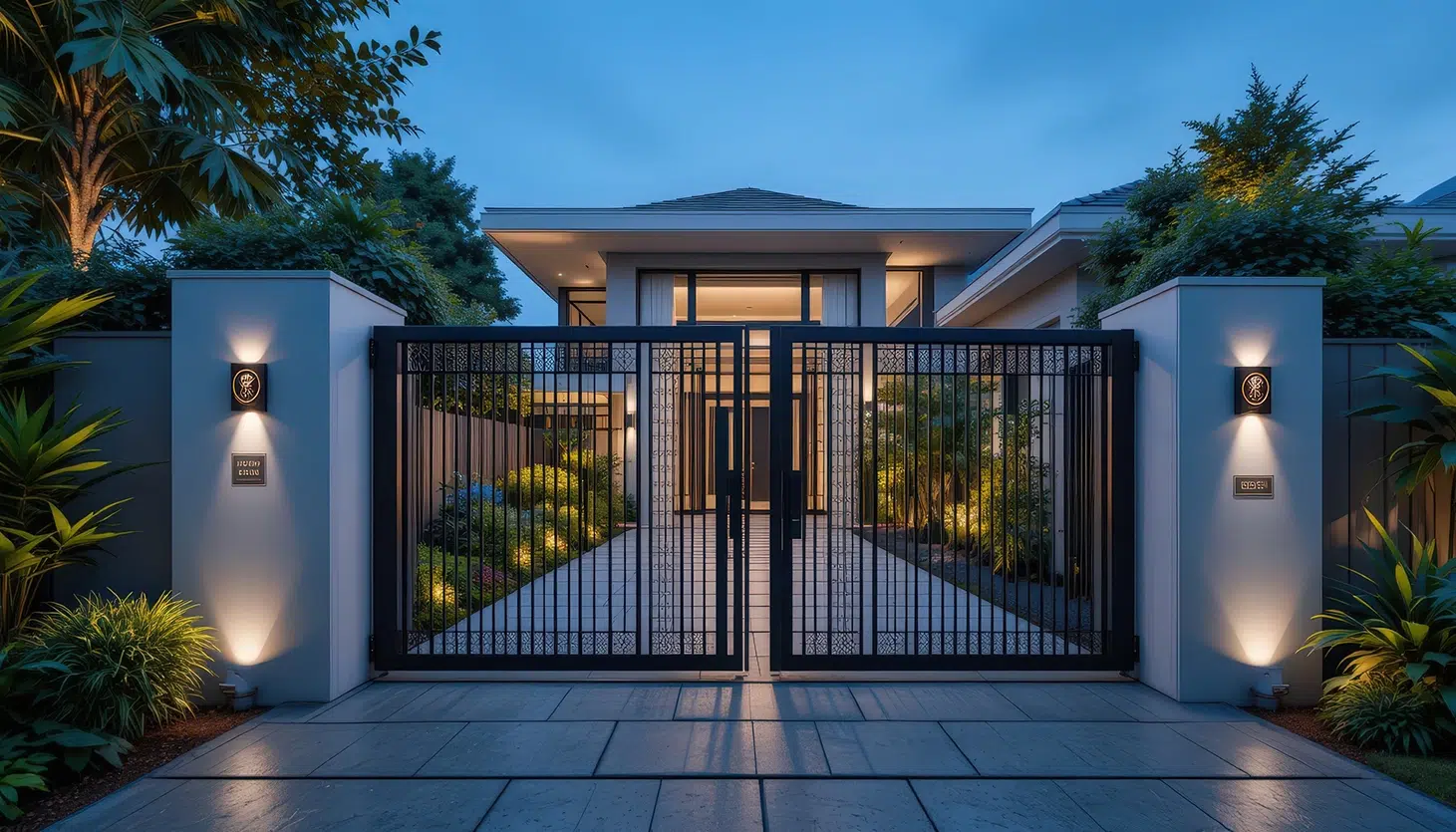
Modern house elevations are designed to make a lasting impression, but their visual impact shouldn’t disappear after sunset. Thoughtfully planned outdoor lighting highlights architectural details, creates a welcoming entrance, and makes pathways and outdoor living areas safer to use after dark. More than simply improving curb appeal, a well-designed lighting plan adds everyday functionality and can even increase a property’s long-term value.
The best results come when lighting is treated as part of the home’s overall design rather than as a finishing touch. Planning ahead allows lighting to blend seamlessly with the architecture, helping homeowners, architects, and builders create a polished exterior without costly adjustments later in the project. The same design-first approach is widely used in larger commercial and architectural developments, where selecting from architectural lighting manufacturers is often part of the planning process.
Plan Your Outdoor Lighting Before Construction Is Complete
Many homeowners don’t think about exterior lighting until construction is nearly finished, but planning it much earlier often produces a better result. Integrating lighting into the overall design makes it easier to conceal wiring, position fixtures correctly, and avoid visible modifications once the home is complete.
Early planning also gives architects, designers, and contractors time to coordinate lighting with the home’s layout, landscaping, and architectural features. This creates a cleaner appearance while reducing installation challenges and helping prevent unnecessary rework or delays during construction. In many projects, thoughtful planning has a greater impact on long-term lighting performance than the fixture selection itself.
Focus on the Areas That Make the Biggest Visual Impact
Not every part of a home’s exterior needs the same amount of light. A balanced lighting design focuses on the spaces that improve both appearance and functionality while allowing architectural features to stand out naturally.
Highlight the House Façade
The façade is often the home’s defining feature. Instead of flooding the entire wall with light, use carefully positioned fixtures to emphasize textures, materials, and architectural lines. This creates depth and gives the elevation a more refined appearance.
Create a Welcoming Entrance
The entrance sets the tone for the entire property. Lighting around the front door, porch, gate, and house numbers improves visibility while creating a warm and inviting first impression for family and guests.
Light Pathways and Driveways
Well-lit walkways and driveways improve safety by helping reduce trips and falls while naturally guiding visitors toward the entrance. They also contribute to a more attractive exterior after dark.
Bring Gardens and Landscaping to Life
Landscape lighting adds another dimension to outdoor spaces. Trees, shrubs, decorative walls, sculptures, and water features become focal points when illuminated with subtle, well-placed lighting that enhances rather than overwhelms the surroundings.
Extend Outdoor Living Areas
Patios, balconies, terraces, and seating areas become more comfortable and usable with layered lighting. Combining ambient, task, and accent lighting creates an inviting atmosphere that’s equally suited for quiet evenings or entertaining guests.
These design priorities are common not only in private homes but also in residential developments and luxury housing projects, where carefully planned lighting enhances both presentation and long-term property value.
Choose Lighting Based on Purpose, Not Just the Fixture
Once you’ve identified the areas you want to illuminate, the next step is choosing lighting that suits each space. In many cases, directing light carefully creates a better result than simply making an area brighter. Since LED technology offers lower energy consumption and a longer service life than traditional lighting, it has become the preferred choice for most exterior residential projects.
Wall-mounted fixtures work well around entrances, garages, and porches, where they improve visibility while complementing the home’s architectural style.
For larger areas such as driveways, parking spaces, and expansive façades, broader lighting provides even coverage that improves safety without creating excessive brightness.
Architectural lighting techniques such as wall washing and linear lighting are ideal for emphasizing exterior textures, rooflines, balconies, and clean geometric forms. These subtle effects add depth and create a more sophisticated nighttime appearance.
Landscape lighting helps showcase gardens, mature trees, flower beds, retaining walls, sculptures, and water features. In-ground and underwater fixtures can produce dramatic effects while remaining almost invisible during the day, allowing the focus to stay on the landscape itself.
Accent lighting placed beneath steps, railings, benches, or balcony edges introduces subtle layers of light that improve both safety and visual appeal.
Rather than relying on a single lighting style, combining multiple techniques creates a balanced exterior that’s functional, comfortable, and visually engaging.
Design Tips That Help Modern Homes Stand Out
Choosing the right fixtures is only part of the process. The way light is applied has an even greater influence on how a home looks after dark.
For most residential properties, a warm white color temperature between 2700K and 3000K creates a comfortable and welcoming atmosphere. Cooler white lighting can complement contemporary architecture, but using too much of it may make the exterior feel harsh.
Thoughtful fixture placement is equally important. Direct light toward walls, pathways, and landscape features rather than into people’s eyes. This reduces glare while drawing attention to the home’s architectural details. Layering ambient, accent, and task lighting also creates a more balanced effect than relying on a few overly bright fixtures.
Durability matters just as much as appearance. Choosing weather-resistant fixtures designed for outdoor environments helps maintain both performance and aesthetics through changing seasons. For builders and developers, long-lasting lighting systems can also reduce maintenance requirements and provide greater value over the life of a project.
Common Outdoor Lighting Mistakes to Avoid
Even a beautifully designed home can lose its visual impact if the lighting plan isn’t carefully considered.
One of the most common mistakes is treating exterior lighting as an afterthought, which often results in visible wiring, limited fixture placement, and unnecessary design compromises. Another is using too much light on the façade, washing out architectural details instead of enhancing them.
It’s also important not to overlook pathways, entrances, and outdoor living spaces, where lighting plays an essential role in both safety and comfort. Mixing different light colors can create an inconsistent appearance, while choosing fixtures based solely on style rather than durability may lead to more frequent maintenance and replacements.
Final Thoughts
Outdoor lighting is far more than a decorative finishing touch. It’s an essential part of residential design that enhances architecture, improves safety, and makes outdoor spaces more enjoyable after dark.
Whether you’re building a custom home, renovating an existing property, or planning a larger residential development, investing time in a well-designed lighting strategy delivers benefits that last for years. By combining thoughtful planning, durable fixtures, and carefully positioned light, homeowners can create an exterior that feels welcoming, functional, and visually striking every evening.
Great outdoor lighting doesn’t compete with architecture. It quietly reveals the details that make a home worth noticing long after the sun has gone down.