
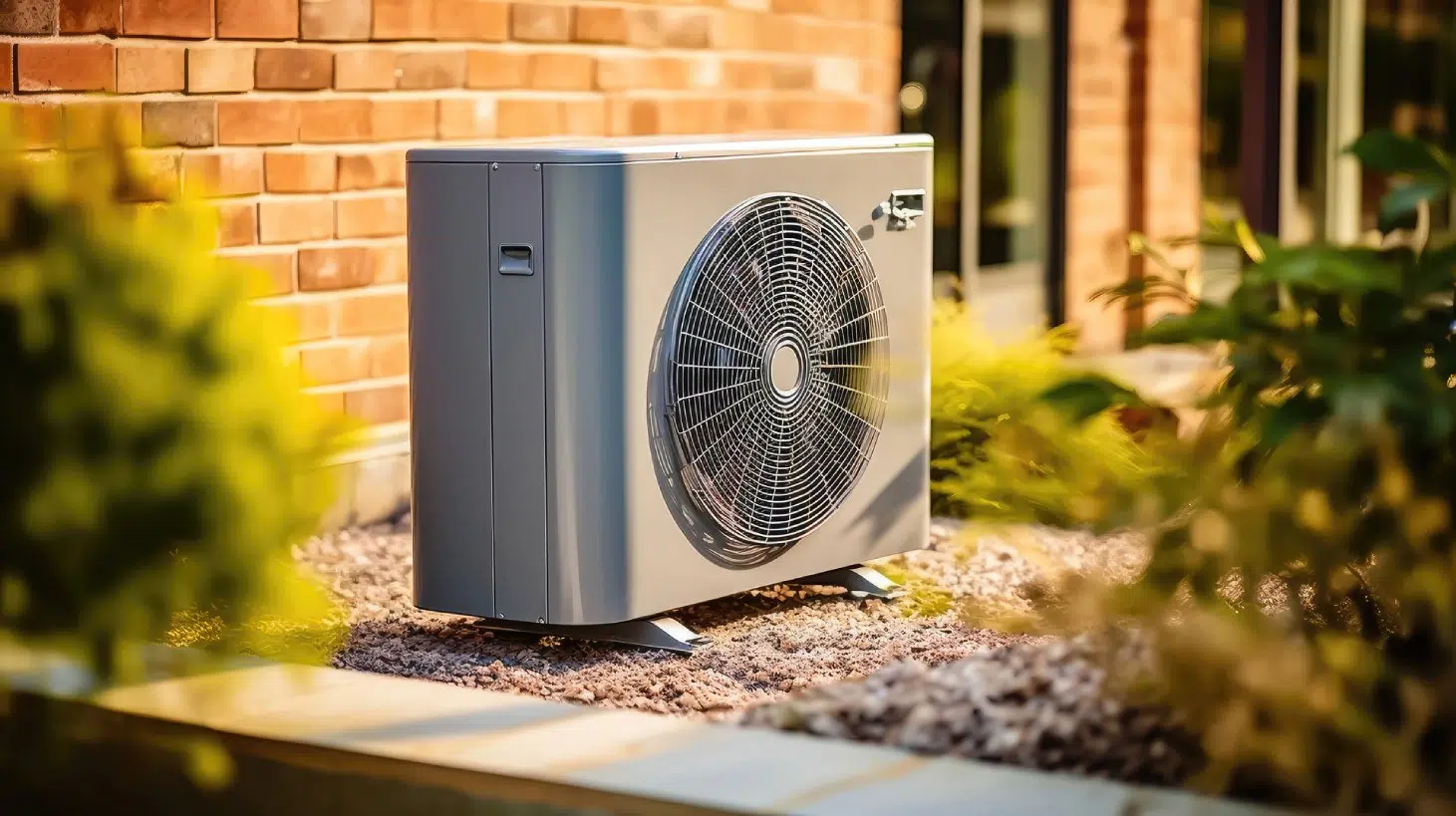
Reliable air conditioning is important for comfort throughout the warmest months of the year. But there is a universal question that every homeowner has to ask him or herself at some point: Will it be better to repair an old air conditioner or replace it altogether? The answer may be based on factors such as the length of time the system has been used, the efficiency of the system, repair expenses, and the long-term performance of the system. Knowing the pros and cons of each of these choices can help you make the most cost-efficient choice when it comes to your home.
Consider the Age of Your Air Conditioner
One of the initial considerations is the age of the air conditioning unit. With proper maintenance, most modern air conditioners will last about 10 to 15 years. If the problem has only just occurred in a fairly new system, repair will often be the most feasible solution.
However, if your unit is at the end of its lifespan, these repairs may just be a band-aid solution. Older systems are not usually able to perform efficiently, leading to higher energy costs and less cooling performance. In such cases, replacement might be more cost-effective in the long run.
Evaluate Repair Costs
A key factor in the repair/replace decision is the cost of repairs. It is generally inexpensive to fix minor problems like a leaking capacitor, thermostat failure, or a clogged drain line. If the repairs are not costly and don’t occur often, it may be a good financial decision to keep the existing system running.
But it can get expensive when there are major component failures like a compressor damage or refrigerant leak. The “50 percent rule” is recommended by many HVAC professionals. When repairs will run closer to half the cost of a replacement, it may be better to replace the system. The amount of money invested in an older unit may not be worth the money.
Check out Energy Efficiency
Significant strides have been made in recent years in energy efficiency. Older air conditioners tend to use more electricity than newer ones, leading to higher monthly utility bills. If cooling bills are still going up, although you’re servicing your unit regularly, then something’s not right with your unit.
For many homeowners, the question is whether a service that is older or dated deserves repairs or if it would be better to invest in a newer, more efficient system that can save more money over time. They turn to their trusted service providers, like Hydro-Flo Plumbing & Heating, to help them determine this. Newer systems may have more sophisticated technology that not only enhances comfort but also saves energy.
Ask about the Frequency of Breakdowns
Any mechanical system needs an occasional repair, and that is normal. But if you need to call in your air conditioner for service a few times throughout the year, it can become expensive. This can also cause inconvenience during periods of extreme heat when reliable cooling is most critical due to frequent breakdowns.
The replacement can help to reduce the costs of ongoing repairs and give you peace of mind. Using modern systems is usually more reliable and often will have manufacturer warranties against unforeseen repair expenses for many years.
Assess Indoor Comfort
Your air conditioner should cool your home evenly. If there are some rooms that are still warm and others are too cold, then your existing system may not be working properly. Other indicators of a failing unit are low humidity, high noise levels, and temperature fluctuations.
Even if the comfort problems can be fixed or maintained, if the performance problems continue, the system may be unable to keep up with the cooling needs of your home. In these instances, replacement can make significant contributions to indoor comfort.
Environmental Considerations
Older air conditioning units may have an old, environmentally harmful refrigerant that is being eliminated. These refrigerants may cost more and be harder to get when repairs are required. Newer systems utilize environmentally friendly refrigerants and are more efficient, resulting in lower environmental impact.
If sustainability is your top priority, the investment may be worthwhile in upgrading to a newer unit. Increased efficiencies can lower energy use and greenhouse gas emissions throughout the equipment’s lifespan.
Long-Term Financial Benefits
While replacement will take a bigger initial investment, it may provide substantial long-term savings. Saving money on energy costs, reducing repairs, increasing reliability, and even adding home value can make up for the initial expense over time. Some utilities and government agencies also provide rebates or incentives to switch to high-efficiency HVAC.
While repairs can appear cheaper at first, over time, the cost of the recurring repairs could outweigh that of the initial expense of replacing the system.
Final Thoughts
The decision between air conditioning repair and replacement hinges on several factors, including the age of the existing unit, the cost of the repairs, energy efficiency, and reliability. A newer unit that has had a minor problem will probably benefit from repair, but if your system is an older unit that has frequent problems, you may want to consider replacing it. Ultimately, homeowners can choose the right option based on their needs and budget, ensuring they enjoy comfort, efficiency, and long-term value for years to come.


