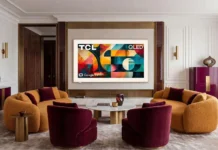
Luxury homes have never just been about expensive furniture or prestigious brands. The spaces that stop you in your tracks, the rooms you remember long after leaving, have something more nuanced at work. It’s the way light falls across a handmade artwork. The unexpected pop of colour from a perfectly placed arrangement. The sense that someone with genuine taste made considered choices rather than delegating everything to a showroom catalogue.
Getting there isn’t about spending more. It’s about understanding what creates emotional resonance in a space and leaning into it deliberately.
Key Takeaways
- Truly luxurious interiors go beyond furniture and finishes to include art, colour, and curated botanical accents
- Watercolour painting has emerged as a sophisticated creative hobby that genuinely displays home art
- Long-lasting floral arrangements, including premium silk options, are increasingly favoured in high-end interior design
- Personalising your space with creative pursuits and handcrafted elements adds authenticity that no store purchase can replicate
- The most memorable homes combine carefully chosen statement pieces with the personal touch of the people who live in them
The Shift Toward Intentional Living
Something has quietly shifted in how people think about luxury at home. For years, the dominant language was one of acquisition: the right brands, the right finishes, the right square footage. Now the conversation is considerably more nuanced.
High-end interior designers will tell you that the clients asking the most interesting questions are the ones focused on how their home feels, not just how it looks. They want spaces that reflect their identity, not a spread from a catalogue. That distinction is small in theory but enormous in practice.
Art as an Interior Design Element
Nothing transforms a room quite like art. Not art as an afterthought, a print ordered to fill a wall, but art considered from the beginning as an integral part of the space. The scale, the colour palette, the subject matter: all of these should be in conversation with the room around them.
More people are creating their own art as part of this shift, and the quality of what they produce is often genuinely surprising. A well-executed watercolour has a luminosity and softness that prints simply cannot replicate. Hung in the right space, it adds depth and character that no commercially produced piece ever will.
For those who want to go further down this path, the home interiors section offers beautifully curated editorial ideas on how art, texture, and considered styling come together in elevated living spaces.
The Resurgence of Watercolour
Watercolour painting has had a quiet but meaningful resurgence among people who care about living beautifully. It’s partly driven by the rise of intentional leisure, the idea that how you spend your downtime matters as much as where you travel. A Sunday afternoon with a brush in hand produces something. It grounds you in the moment and often results in something you can actually hang on your wall.
There’s also a practical appeal to watercolour that other mediums don’t quite match. The equipment is minimal, the cleanup is simple, and the learning curve, while real, is far less daunting than most people assume.
For those who haven’t tried it since school, the medium has changed considerably in terms of accessibility. There are now comprehensive beginner guides, online tutorials, and well-stocked specialist suppliers that make getting started easier than ever. The barrier to entry is genuinely low compared to what the results suggest.
Choosing Subjects That Work Well at Home
The subjects that tend to work best for home display are botanicals: flowers, leaves, branches, and softly abstracted natural forms. These translate beautifully to watercolour’s characteristic softness and integrate naturally into most interior palettes, whether the room leans contemporary, traditional, or somewhere in between.
There’s also something satisfying about painting the same subjects you might bring into your home as living or preserved arrangements. A carefully observed peony in watercolour and a peony silk arrangement in the same room create a kind of visual echo that feels curated and intentional. It’s the kind of detail that elevates a space from styled to genuinely personal.
Choosing the Right Watercolour Supplies
The jump from beginner to genuinely satisfying watercolour work often comes down less to technique than to materials. Student-grade paints can be frustrating. The pigment is thinner, the colour range is limited, and the results rarely match the vision in your head. Moving to quality paints changes the experience significantly.
A well-curated watercolor paint set makes a real difference to both the process and the outcome. Better pigment load means richer, more layered washes. A broader colour range means less compromising and more time actually painting. For anyone looking to take their home art practice seriously, starting with quality materials is far better advice than spending years fighting budget supplies that limit rather than enable. Craft Online offers a broad selection, from sets well-suited to building foundational skills all the way through to professional-grade artist pigments for those committed to the medium at a higher level.
Where Art and Interior Design Intersect
The paintings you make and the objects you choose for your home exist in conversation with each other. A softly rendered botanical study sits beautifully alongside natural textures, raw linen, and organic ceramics. A bolder abstract piece in saturated colour can anchor a neutral room in a way nothing else quite manages.
This intersection of creative practice and interior styling is where spaces start to feel genuinely personal. The goal isn’t perfection. Its intention: the sense that the person who lives here thought carefully about what they wanted to be surrounded by, and then went and found it.
Botanical Beauty That Lasts
Flowers have been central to interior design for centuries, and for good reason. They add life, colour, movement, and a softness that almost no inanimate object can replicate. The challenge has always been their impermanence.
Fresh flowers require ongoing attention. They need to be changed regularly, sourced carefully, and kept in conditions that extend their life as long as possible. For many people, the desire to have beautiful florals at home runs directly into the reality of the effort required to maintain them.
The Evolution of Faux Florals
The solution for many design-conscious homeowners has been premium artificial flowers, and the category has evolved significantly from the plastic imitations of decades past. Today’s best silk flowers are genuinely beautiful objects. They hold their colour, their form, and their texture indefinitely. Styled correctly, they are indistinguishable from fresh at a glance.
This is not a compromise choice. For many high-end interior designers, it’s actually the preferred option for certain placements: rooms where natural light isn’t ideal for fresh flowers, spaces that need to look consistently polished without ongoing maintenance, or locations where seasonal sourcing makes fresh arrangements impractical.
Investing in the Right Arrangement
Not all artificial flowers are created equal, and the difference in quality between a well-made silk arrangement and a cheaper imitation is immediately apparent. Stem weight, petal detail, colour depth, and overall proportion all contribute to whether a piece reads as authentic or artificial in the wrong sense.
For homeowners who want genuinely beautiful results, Silk by Design offers a carefully considered range of silk flowers Melbourne residents can have delivered quickly, with dispatch typically available within 24 hours. Their arrangements reflect a considered aesthetic rather than a mass-produced sensibility, which is exactly what a discerning interior requires. Choosing a quality arrangement from the outset, rather than upgrading a cheaper piece later, almost always produces a better result.
Building a Home That Reflects You
The interiors that leave a lasting impression are rarely the ones with the most expensive individual pieces. They’re the ones that tell a story. A painting made on a quiet weekend afternoon. A floral arrangement chosen deliberately to echo the colours in that painting. A room where everything, from the textures to the palette to the objects, feels considered and connected.
That is the real luxury: not the price of what you own, but the care you took in choosing it.
A Practical Starting Point
If you’re looking to introduce more creativity and botanical beauty into your home, start small and let it build naturally. Pick up a quality watercolour set and give yourself a few weekends to explore without pressure. Try painting botanicals: simple flowers, leaves, stems, the same subjects you might later bring into your space as a silk arrangement.
When choosing florals, look for pieces that complement your existing colour palette rather than compete with it. Think carefully about scale and placement. A generous arrangement in an entrance hall or on a dining table creates far more impact than multiple smaller pieces scattered throughout a space.
An Ongoing Practice
The most satisfying homes aren’t finished projects. They evolve slowly, with each addition considered in relation to everything already there. That thoughtful accumulation is what gives a space genuine depth and personality over time.
Art you made yourself. Objects chosen with care. Arrangements that still look beautiful years later. These are the elements that make a home feel like an honest reflection of the person who lives in it, and that, more than any brand name, is what luxury actually looks like.
Frequently Asked Questions
Do I need to be naturally artistic to try watercolour painting?
Not at all. Watercolour is one of the more forgiving mediums for beginners, partly because its softness and blending make imperfections part of the aesthetic rather than a problem to hide. Most people who give it a genuine try produce something they’re happy with far sooner than they expected.
What subjects work best for watercolour paintings intended for home display?
Botanicals are a perennially strong choice. Flowers, leaves, branches, and softly abstracted natural forms translate beautifully to watercolour’s characteristic softness and integrate naturally into most interior palettes. Simple composition with confident use of colour tends to read well on a wall.
How do I style silk flowers so they look genuinely elevated rather than obviously artificial?
Scale and vessel make the biggest difference. A generous arrangement in a quality vase reads very differently from a small bunch in a generic container. Look for flowers with subtle colour variation and natural-looking stems, and resist overcrowding the arrangement. Edited and generous almost always works better than busy.
Are premium silk flowers worth the investment compared to fresh ones?
For permanent placements or spaces where fresh flowers are impractical, they often are. A quality silk arrangement will look beautiful indefinitely with minimal care, whereas fresh flowers of comparable quality carry an ongoing replacement cost. Over time, the economics tend to favour silk quite strongly.
How do I choose the right size artwork for a wall?
A useful general rule is that solo artwork should occupy roughly two-thirds to three-quarters of the wall width it’s hanging on. Groupings can cover more. Hanging artwork too small is one of the most common styling mistakes, and pieces almost always look better larger than people initially expect.
Can watercolour artwork work in contemporary or minimalist interiors?
Very well, actually. Watercolour’s natural softness and organic quality provide warmth in spaces that might otherwise feel austere. A single well-chosen piece in a restrained palette can become a genuine focal point in a minimalist room, adding life without visual noise.