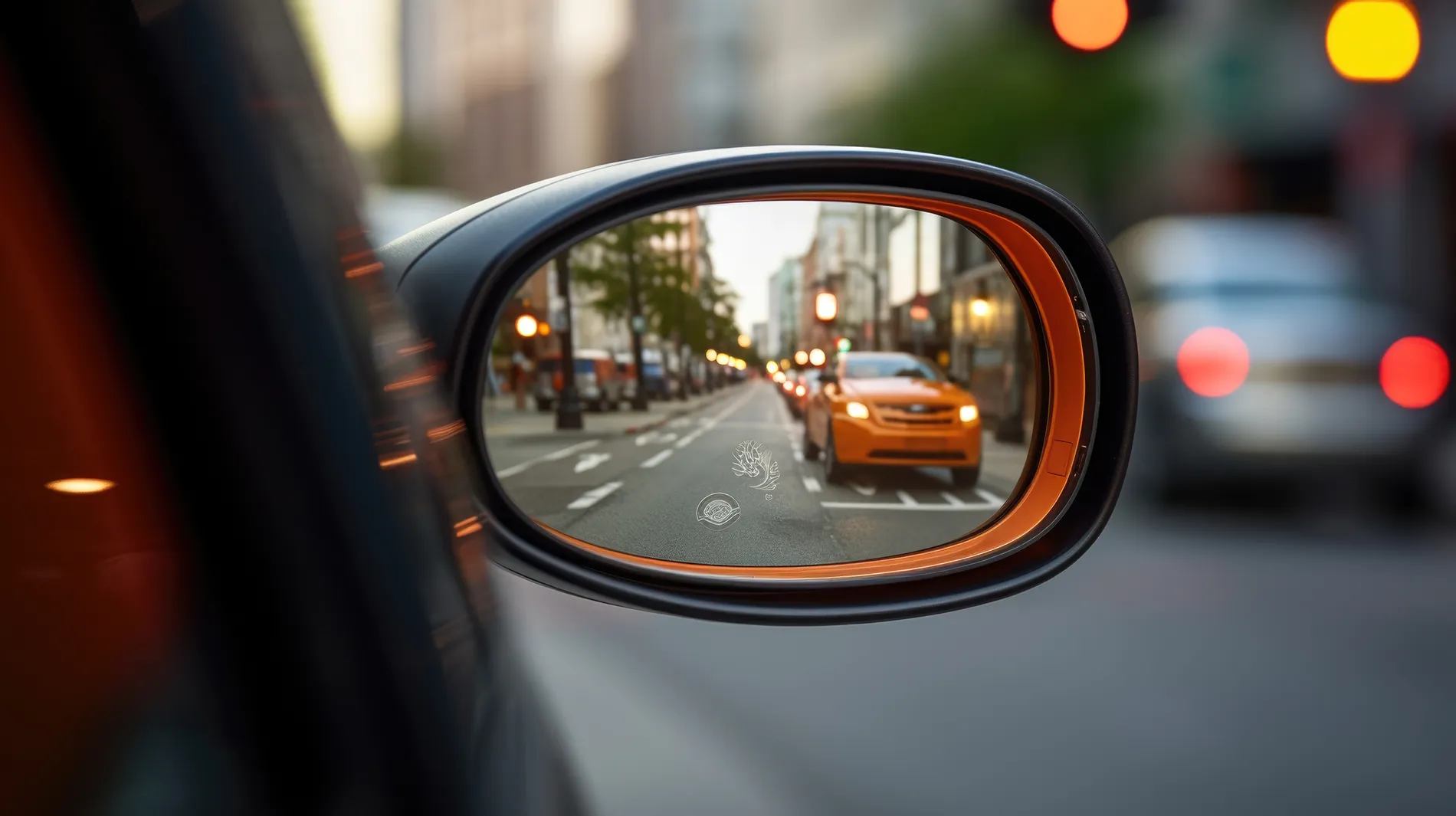
Vehicle safety technology has come a long way in the last decade.
What was limited to mirrors and driver awareness now includes cameras, sensors, and automated alerts that work in the background while you drive.
One of the most widely adopted features today is the blind spot monitoring system for cars, designed to warn drivers when there are vehicles hiding just outside their mirror view.
But it’s only a piece of a larger safety puzzle. When upgrading your car’s safety, you will come across several different technologies.
Comparing different upgrades or looking at adding protection to your vehicle, it helps to understand what each system actually does.
What Does Blind Spot Monitoring Actually Cover?
Blind spot monitoring systems typically use radar sensors mounted inside your car’s rear bumper.
These sensors track vehicles in adjacent lanes, slightly behind your rear doors, which is the area most drivers cannot fully see, even with properly adjusted mirrors.
When another vehicle enters the near zone, a warning light appears in your side mirror. If you activate your turn signals while some object is detected, most systems also trigger an audible alert or steering feedback.
It’s built specifically for lane change safety. But the system does not replace checking your mirror.
However, if the monitor is not directly in front of you and working, then it won’t be helpful while reversing.
Must Read: Complete Buyer’s Guide: Choosing The Right Blind Spot Warning System for Any Vehicle
Comparing with Other Common Safety Technologies
Below is a look at how blind spot monitoring compares with different safety technologies for your car, including :
-
Rear Cross Traffic Alert
Rear cross traffic alert, or RCTA, uses similar radar sensors that the blind spot system does, but it activates when your vehicle is in reverse.
It watches for crossing traffic from the sides as you back out of parking spots, tight spaces, or driveways.
The goal here is to alert when another vehicle or cyclist is approaching or may enter the path of your reverse.
-
Backup Camera & Trailer Backup Camera
Backup cameras provide a live video feed of the area behind your car when you shift into reverse.
Unlike blind spot monitoring, which primarily uses radar and sensors to detect objects, backup cameras let you see what’s behind the vehicle, which helps in parking and reversing.
A trailer backup camera system extends the idea further for drivers who tow. It positions your trailer to show the area behind both the towing vehicle and trailer itself.
The system improves visibility in tight reversing maneuvers or when maneuvering large loads.
-
Lane Departure & Lane Keeping Assist
These technologies keep your vehicle centered in its lane or at least warn when you drift out of it unintentionally.
A camera mounted near the windshield or front of the car tracks lane markings. The alert gets triggered if you stray without signalling.
These systems focus on vertical positioning and lane adherence rather than side-to-side object detection.
-
Surround View ( 360°) Systems
Surround view systems use multiple cameras to give you a bird’s eye view of your vehicle’s surroundings.
While this greatly increases situational awareness, especially at low speeds or in parking, these systems are distinct from radar-based blind spot monitoring.
They depend on a stitched 360 camera for car feeds instead of sensor detection.
How do Different Safety Technologies Compare in Real Driving?
Here is a key difference and use case for each technology for your car safety.
| Safety Technology | What area does it watch | When It’s Most Useful | Works Best For | Where It Falls Short |
| Blind Spot Monitoring | The lanes just beside and slightly behind your vehicle | When merging or switching lanes in traffic | Busy highways and multi-lane roads | It won’t help you see straight behind while backing up |
| Lane Departure Warning | Lane lines on the road surface | If the vehicle begins drifting without a turn signal | Long drives where fatigue can set in | Performance drops if road markings are faded or hard to see |
| Forward Collision Warning | Traffic and obstacles in front of the vehicle | When you’re approaching another car too quickly | Every day driving where following distance matters | Can trigger unnecessary alerts in rough weather or work zones |
| Backup Camera (including trailer backup camera) | The space directly behind the vehicle or attached trailer | While reversing, parking, or lining up a hitch | Tight parking areas, job sites, towing situations | Only active in reverse and doesn’t assist at speed |
| Adaptive Cruise Control | The vehicle traveling ahead of you | Keeping a steady speed and gap on open roads | Highway travel and longer trips | It does not monitor side traffic or blind spots |
Conclusion
No single system replaces good driving habits. When used together, they can help reduce blind spots and make critical decisions easier.
Having a blind spot monitoring system for a car offers focused support where your mirror and direct vision fall short, while technologies like rear cross traffic alert and backup camera for protection in reversing or low speed scenarios.
We at Rear View Safety offer you a wide range of systems that are made for your fleet.
Whether you’re looking for a backup camera for a car, RV, or truck, upgrade to a system that works and matches your driving style and needs.
FAQs
Is a blind spot monitoring system better than a backup camera?
A blind spot monitor keeps an eye on the lanes beside you while you’re driving, mainly to help during lane changes. A backup camera, on the other hand, only turns on when you shift into reverse and shows what’s directly behind the vehicle.
Can I use a blind spot monitor in bad weather?
These systems usually rely on radar, which tends to handle rain, fog, and nighttime driving fairly well. That said, if snow or mud builds up around the sensors especially on the rear bumper, overall performance can drop.
Can I install blind spot monitoring on an older vehicle?
There are aftermarket options made for vehicles that didn’t originally come with this kind of safety feature. The key is making sure the system fits your vehicle layout and matches how you actually drive.