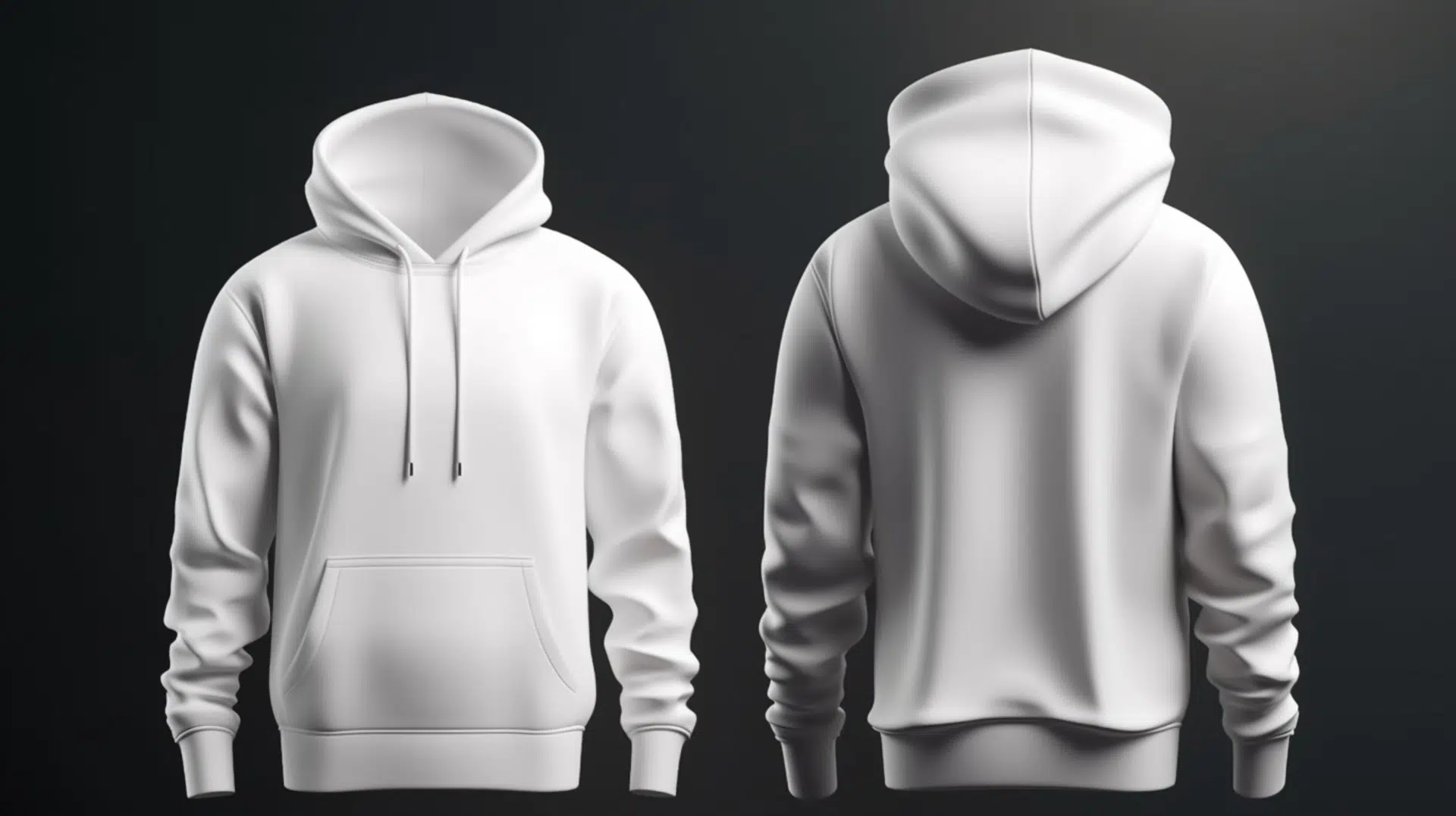
A new piece often arrives feeling like cardboard. The fabric is stiff, the collar stands up on its own, and it doesn’t move with you the way your favorite worn-in pieces do. That stiffness puts people off, and some rush to soften it in ways that damage the garment. But breaking in clothes properly is a real skill, and done right, it turns a rigid new piece into something that moves and feels like it’s yours. A quality Cole Buxton piece is often stiff at first precisely because the fabric is dense and good, so stiffness isn’t always a bad sign. Let’s break clothes in the right way.
Why New Clothes Feel Stiff
Understanding why a piece is stiff helps you soften it correctly rather than damaging it. New fabric hasn’t been flexed yet, so the fibers sit rigid and haven’t relaxed into the softer, more pliable state that comes with wear and washing. That initial stiffness is normal and temporary. Some stiffness comes from finishing treatments too, since manufacturers sometimes apply sizing or starches to fabric to make it look crisp and neat on the shelf, and these wash out over the first few cycles. So part of the rigidity is a coating that leaves on its own. Importantly, stiffness often indicates quality rather than the opposite, since dense heavyweight fabric feels stiffer new than thin cheap fabric does, and that density is exactly what makes it durable and good, so it’s a feature rather than a flaw. My honest opinion? People too often mistake initial stiffness for poor quality and either return good pieces or try to soften them aggressively, when patience and correct care would give them a superb piece. So the key insight is that most stiffness resolves naturally with wear and proper washing, and the job is to speed that along gently rather than forcing it. Rushing the process with harsh methods risks damaging the fabric, while a bit of patience and the right technique softens a piece safely into the comfortable, broken-in state you’re after.
Washing Is the First Step
The most effective and safest way to soften most new clothes is simply washing them correctly, which removes finishing treatments and begins relaxing the fibers. So wash a stiff new piece before expecting it to soften, since that first wash does a lot of the work. Use cold water and a gentle cycle, since that safely removes sizing and starch while beginning to relax the fabric without the risks of heat, which can shrink or damage a new piece. Skip fabric softener despite the temptation, since while it seems like the obvious solution, it coats fibers in a waxy layer that reduces breathability and, on fleece, flattens the very texture you want, so it does more harm than good on most quality pieces. Air drying after washing is best, since it avoids the heat damage of a dryer while still letting the fabric relax. Here’s the hands-on detail worth knowing: the fabric noticeably softens across the first three to five washes rather than all at once, so if a piece still feels a bit stiff after one wash, that’s normal, and it’ll continue softening with each cycle, so don’t judge it too early. One honest limitation: some fabrics, particularly heavy raw denim and certain dense cottons, take many wears and washes to fully break in, so with those, patience over weeks rather than days is genuinely required.
The Safe Ways to Speed It Up
Several gentle techniques help soften a piece faster without risking damage. Use them in this order of safety:
- Wear the piece regularly, since normal body movement flexes and softens fabric better than anything
- Wash it a few times in cold water, removing finishes and relaxing fibers with each cycle
- Scrunch and gently work the fabric with your hands, flexing stiff areas to loosen them
- Air dry rather than machine dry, since heat risks damage while air drying still relaxes fabric
- Give it time across several wears, since full softening happens gradually rather than instantly
Step one is genuinely the best method, since wearing a piece flexes the fabric naturally in exactly the places it needs to move, so regular wear breaks a piece in more effectively and safely than any trick. So the simplest advice is often just to wear it. Step three helps with specifically stiff spots, since gently scrunching and working the fabric with your hands flexes the fibers and loosens rigid areas, particularly useful for stiff collars, cuffs, and denim. It’s low-risk and effective. The overall principle across these is gentleness and patience, since the safe methods work with the fabric’s natural softening process rather than forcing it, which is what protects the garment while still speeding things along.
What Not to Do
Just as important as the safe methods are the damaging ones to avoid, since aggressive softening ruins clothes. Never use high heat to soften a piece, since hot water and hot drying can shrink fabric, crack prints, and damage fibers permanently, so the heat that seems like it might soften things actually causes lasting harm. Avoid harsh chemicals and excessive fabric softener too, since these can break down fibers and coat fabric in ways that reduce its quality and longevity, so what feels like a shortcut degrades the piece. Don’t over-wash in an attempt to soften faster either, since each wash is mechanical stress, and washing repeatedly just to speed softening wears the garment out prematurely, so it’s counterproductive. Skip abrasive methods like sandpaper or aggressive scrubbing on fabric, since these damage the surface and thin the material, trading stiffness for permanent wear. Here’s the hands-on detail worth knowing: people sometimes tumble dry a stiff piece with dryer balls or tennis balls to soften it, and while this does soften fabric through agitation, the accompanying heat is what causes damage, so if you do this at all, use no heat and short cycles. One honest limitation: some genuinely stiff pieces like raw denim are meant to break in slowly through wear specifically, and trying to force them soft fast defeats the purpose and can ruin the fade patterns that make them special.
Handling Specific Fabrics
Different fabrics break in differently, and knowing how each behaves helps you soften them appropriately:
- Heavyweight fleece and cotton, which soften well across the first several cold washes and regular wear
- Raw denim, which breaks in slowly through wear specifically and shouldn’t be rushed or over-washed
- Canvas and workwear fabrics, which are stiff by design and soften gradually with consistent wear
- Wool and knits, which relax with gentle washing but need careful handling to avoid stretching
- Technical synthetics, which are usually not stiff to begin with and need little breaking in
Fleece and cotton are the most straightforward, since they respond well to the standard approach of cold washing and regular wear, softening reliably over the first several cycles. So with these, patience and normal care do the job. Raw denim is the special case that deserves the most caution, since it’s designed to break in slowly through wear to develop personal fade patterns, so rushing it with washes or force defeats the entire point and can ruin what makes it valuable. Wool and knits need gentleness, since they soften with careful washing but stretch easily if handled roughly wet, so support them and avoid hanging them wet. A dense Hellstar fleece piece follows the fleece pattern, softening nicely over the first few washes into a comfortable state. My preference is matching the method to the fabric rather than treating everything the same, since a technique that suits fleece can harm denim.
Being Patient With the Process
The most important thing about breaking in clothes is patience, since the process is naturally gradual and rushing it is what causes damage. So accept that softening happens over wears and washes rather than instantly, and let a new piece relax into comfort over its first weeks rather than forcing it in a day. That patience protects the garment and gives you a better result. Wear the piece and wash it normally, and it’ll soften on its own timeline, which is genuinely the best approach for most clothes. Don’t judge a piece too early either, since a stiff new garment often becomes a favorite once broken in, so returning it or dismissing it after one wear can mean losing a great piece to impatience. Also, remember that stiffness frequently signals quality, so a piece that feels rigid and dense new is often one that’ll last for years and soften into something excellent, which is worth waiting for. The pieces that break in slowly are often the ones worth keeping longest. So treat the break-in period as the beginning of a long relationship with a good piece rather than an annoyance to eliminate immediately. Over the first few weeks of normal wear and gentle care, a stiff new garment becomes a soft, comfortable, personal one, which is exactly the goal, and getting there safely just takes a bit of patience and the right gentle methods rather than force.
Final Words
New clothes feel stiff because the fibers haven’t been flexed and may carry finishing treatments, and importantly, stiffness often signals quality rather than the opposite. So soften pieces gently by washing in cold water without fabric softener, wearing them regularly, and working stiff spots by hand, then air drying. Avoid the damaging shortcuts of high heat, harsh chemicals, and over-washing, and match your method to the fabric, since denim breaks in differently from fleece. Above all, be patient, since softening happens over weeks of wear, and a stiff new piece often becomes a lasting favorite once it’s properly broken in.
FAQ BLOCK
Q: Why do new clothes feel so stiff?
A: The fibers haven’t been flexed yet, and manufacturers sometimes apply sizing or starch that makes fabric crisp on the shelf. Stiffness often signals quality too, since dense heavyweight fabric feels stiffer new than thin cheap fabric.
Q: What’s the best way to soften a new piece?
A: Wash it in cold water on a gentle cycle, skip fabric softener, and wear it regularly, since body movement flexes fabric naturally. Fabric softens noticeably across the first three to five washes rather than all at once.
Q: Should I use fabric softener to soften stiff clothes?
A: Better not to. It coats fibers in a waxy layer that reduces breathability and flattens fleece texture, doing more harm than good on most quality pieces. Cold washing and wear soften a piece more safely.
Q: What softening methods should I avoid?
A: High heat, harsh chemicals, over-washing, and abrasive methods like sandpaper. Heat shrinks and damages fabric, chemicals break down fibers, and over-washing wears the piece out prematurely. Gentle patience works better.
Q: How long does breaking in a new piece take?
A: Usually a few weeks of normal wear and several washes for fleece and cotton. Raw denim takes longer and shouldn’t be rushed, since it’s meant to break in slowly through wear to develop personal fade patterns.