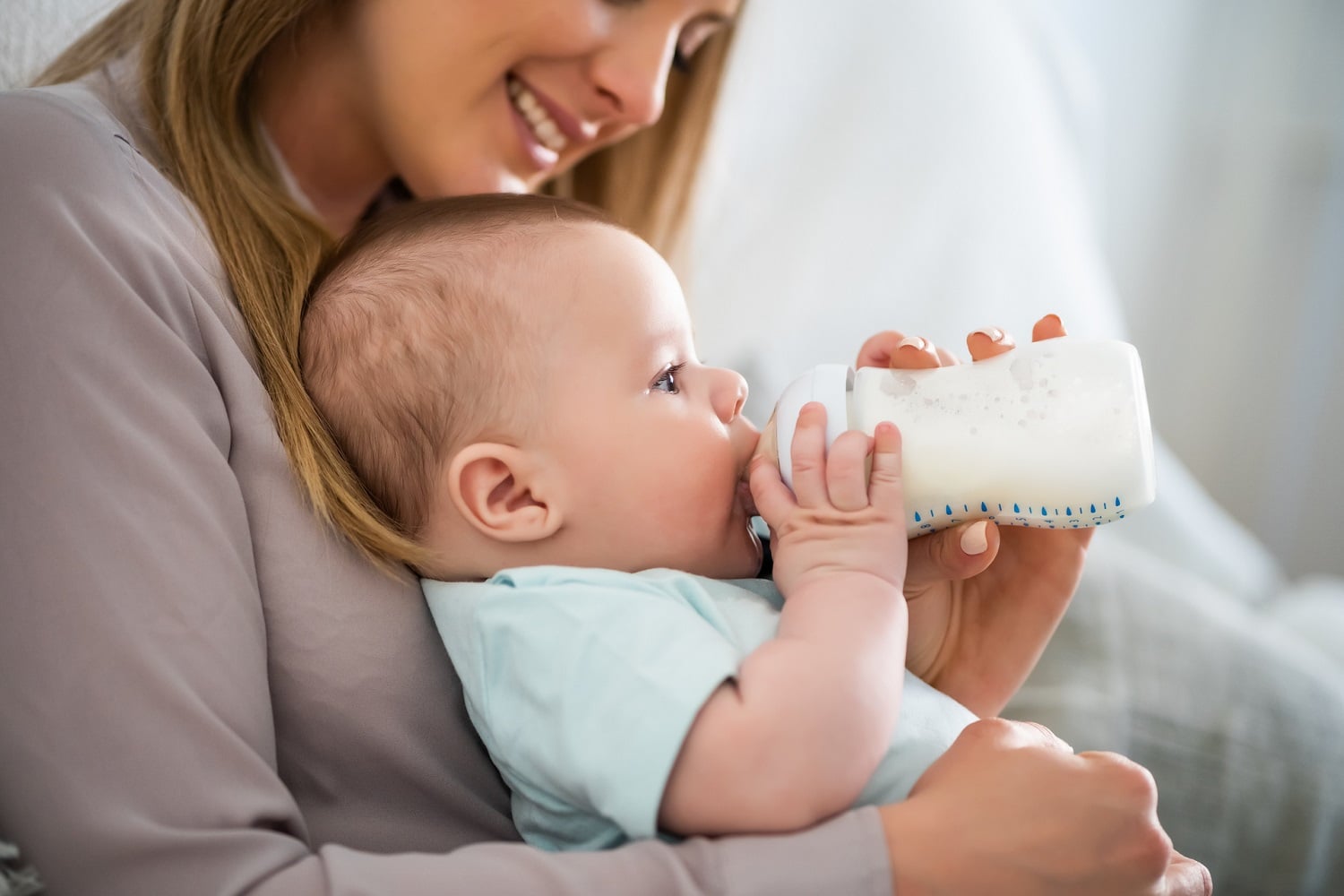
Traveling with a baby or pumping on the go opens up exciting adventures, but one common question stands out: Can you bring breast milk on a plane? The good news is that yes, you absolutely can, and with the right preparation, it becomes straightforward and hassle-free. For instance, pairing your setup with a reliable travel companion like this handy baby stroller collection from Momcozy keeps your little one comfy while you focus on the milk details. These lightweight options fold easily for gate checks, making family trips smoother from start to finish.
Moreover, understanding the rules ahead of time eliminates surprises at security. Whether you’re heading out for a short domestic hop or an international journey, TSA’s policies prioritize nursing parents. As a result, what might seem daunting at first turns into a manageable part of your routine. Let’s dive into the specifics so you can plan confidently.
Understanding the special TSA liquid exemptions for breast milk
You know, it’s a real relief how TSA handles breast milk differently from regular stuff. They see it as medically necessary, so you don’t have to stick to that 3-4 ounce rule like with shampoo or water bottles. You can bring what you actually need for your trip, say enough for delays, layovers, or even an extra day if things go sideways. And this rule? It’s still going strong in 2026, backed by federal laws that make sure nursing parents don’t waste their milk.
To keep things smooth at the checkpoint, just tell the officer right away about your breast milk. Pull it out, separate from your bags so they can check it quickly—that helps everybody move along faster. Oh, and ice packs, gel packs, or freezer packs count too, even if they melt a little into slush. Just let the agents know, and you’re good.
Now, with the new BABES Enhancement Act updates, TSA has to follow hygiene tips from maternal health pros. Agents handle your stuff carefully, and you can ask for fresh gloves if you want. If any questions pop up, having TSA guidelines printed or on your phone clears it up fast. Fun fact, you don’t need your baby with you to use this, coolers don’t eat into carry-on limits, and it covers formula or toddler drinks too. Parents everywhere get this flexibility, and it feels empowering.
Carrying milk through security when your baby isn’t with you
So, building off those exemptions, lots of parents ask if they can take breast milk on a plane without the kid coming along—like for a work trip, family visit, or short getaway. TSA says yes, you totally can carry pumped breast milk even if the baby stays home with dad or a sitter. Just pack what makes sense; there’s no need for proof like a birth certificate.
Picture this: you’re flying cross-country for a business meeting, a partner is watching the kids back home, and your cooler of milk goes right through after you declare it simple. Airlines in North America usually let you bring an extra bag as medical stuff, but smart to call your carrier first and double-check. One mom told her story flying coast-to-coast with 32 ounces in a small cooler—no problems after a nice, calm talk with TSA folks.
Navigating the security screening and inspection process
When you hit the airport, knowing the screening steps makes it way easier. Head to the bin area and put your milk cooler right out front where they can see it clearly. Officers start with a quick look, especially at frozen things, so say upfront, “I’ve got breast milk and ice packs exempt from liquid rules.” That heads off delays and keeps the mood good.
If they need more checks, just stay patient—they might swab for explosives, but the latest rules keep it hygienic even on thawed milk. Most coolers zip through with a glance, but get there early for lines or surprises. After, pack back up neatly and hit your gate. Family lanes or TSA PreCheck cut wait times big time.
Practice saying your declaration at home so it comes out confident—that really helps. Here are the key steps to breeze through:
- Declare your breast milk and packs before bins go in.
- Use see-through bags or containers for easy peeks.
- Ask politely for new gloves if they’re touching stuff.
- Have TSA docs ready on paper or phone.
Follow these, and you’ll sail past security, ready to enjoy the trip.
Keeping your milk at the right temperature during long flights
Staying on top of temperature matters a lot, especially on long flights, because fresh breast milk is only good at room temp for four hours max. But pop it in a good cooler with ice packs, and it lasts safely up to 24 hours. For super long trips over eight hours, freeze it solid first and add extra gel packs to stretch that time.
On the plane, tuck the cooler upright in overhead or under the seat to dodge spills. Ask flight attendants nicely if the galley fridge space is open— not always, but lots help out nursing parents. Pumping mid-flight? Use airport lactation rooms on layovers for privacy.
Thaw slowly in the cooler, never microwave, and track time with apps or notes. One parent made a 12-hour flight to Europe work perfectly, with layered ice keeping it chilled on landing. To nail temp control, try these tips:
- Freeze milk flat in bags so it thaws quickly and even later.
- Layer ice packs smartly around bottles or bags for the best chill.
- Check CDC guidelines for exact safe times at different temps.
Choosing the best containers and coolers for air travel
Choosing the right containers and coolers simplifies everything, starting with clear, leakproof breast milk bags like those from Lansinoh—they stack neatly, show contents instantly to TSA, and minimize mess. Translucent bottles work well too, speeding up scans without hassle.
When it comes to coolers, top options shine for air travel reliability. For example, Momcozy insulated bags hold up to six slim bottles and maintain cold for five hours, making them ideal for short flights. Meanwhile, RTIC soft coolers excel on long hauls, keeping 3-4 days’ worth of bags chilled for a full 24 hours. PackIt freezable coolers with built-in gel walls chill without loose ice, perfect for daily pumps holding four 5-ounce bottles.
Innovative picks like the Ceres Chill or Boon Frosh thermos-style chillers let you pour milk directly in—they’re TSA-compliant, hold 34 ounces cold for hours, and are great for light travel. Even budget-friendly Yeti lunch bags paired with ziplock bags perform reliably. Always test your full pack at home to mimic flight conditions.
Here’s a quick comparison:
| Cooler | Capacity | Chill Time | Best For |
| Momcozy Bag | 6 bottles | 5 hours | Short flights |
| RTIC Soft | 3-4 days bags | 24 hours | Long hauls |
| PackIt | 4x5oz bottles | Hours with gels | Daily pumps |
| Ceres Chill | 34 oz | Hours | Light travel |
This variety lets you match gear to your needs effortlessly.
Knowing your rights regarding X-rays and hand inspections
Empowering yourself with knowledge of your rights adds another layer of confidence during inspections. According to TSA and health experts, X-rays pose no risk to breast milk’s safety or nutrition. That said, you can always request a hand inspection or visual check instead—simply say, “I’d prefer no X-ray for my breast milk,” and officers are required to accommodate.
Frozen milk often bypasses machines altogether for a quick visual, while thawed items might involve swab tests you can politely decline if concerned. New laws emphasize clean handling with no direct contact unless absolutely necessary, so politeness goes a long way in getting what you need.
Managing breast pumps and accessories as medical equipment
Transitioning to your pumping setup, TSA classifies breast pumps as essential medical devices, exempt from carry-on limits. Pack them securely in your bag alongside parts, chargers, flanges, and accessories like bottles and wipes. Declare them just like your milk for smooth passage.
Pump backpacks organize everything neatly, and many airports now feature dedicated lactation pods for discreet sessions. If you’re actively pumping while flying, request preboarding to settle your gear without rushing.
Handling international travel and differing overseas regulations
While U.S. rules set a strong standard, international travel introduces variations, so research early. Canada fully mirrors the TSA with unlimited reasonable amounts. Europe generally permits declared reasonable quantities, but specifics differ— the UK at airports like Gatwick allows more if a baby travels with you, capping at 100ml otherwise. Australia limits to one liter in 100ml containers, Hong Kong exempts solo pumping moms, and Germany sticks to 100ml without a child. Always verify with your airline and ICAO guidelines weeks in advance, declare at customs, and note dry ice restrictions in some spots.
Quick country guide:
- Canada: Unlimited reasonable amounts.
- UK: Baby required for amounts over 100ml.
- Australia: 1L max in 100ml containers.
- Frankfurt (Germany): 100ml for solo travelers.
Final Thoughts
Mastering whether can you bring breast milk on a plane truly transforms travel from stress to joy. From exemptions and screening tips to the best coolers and international quirks, you’re now equipped with everything for smooth skies. Pump proudly, fly confidently, and make those family moments unforgettable. Safe journeys ahead!