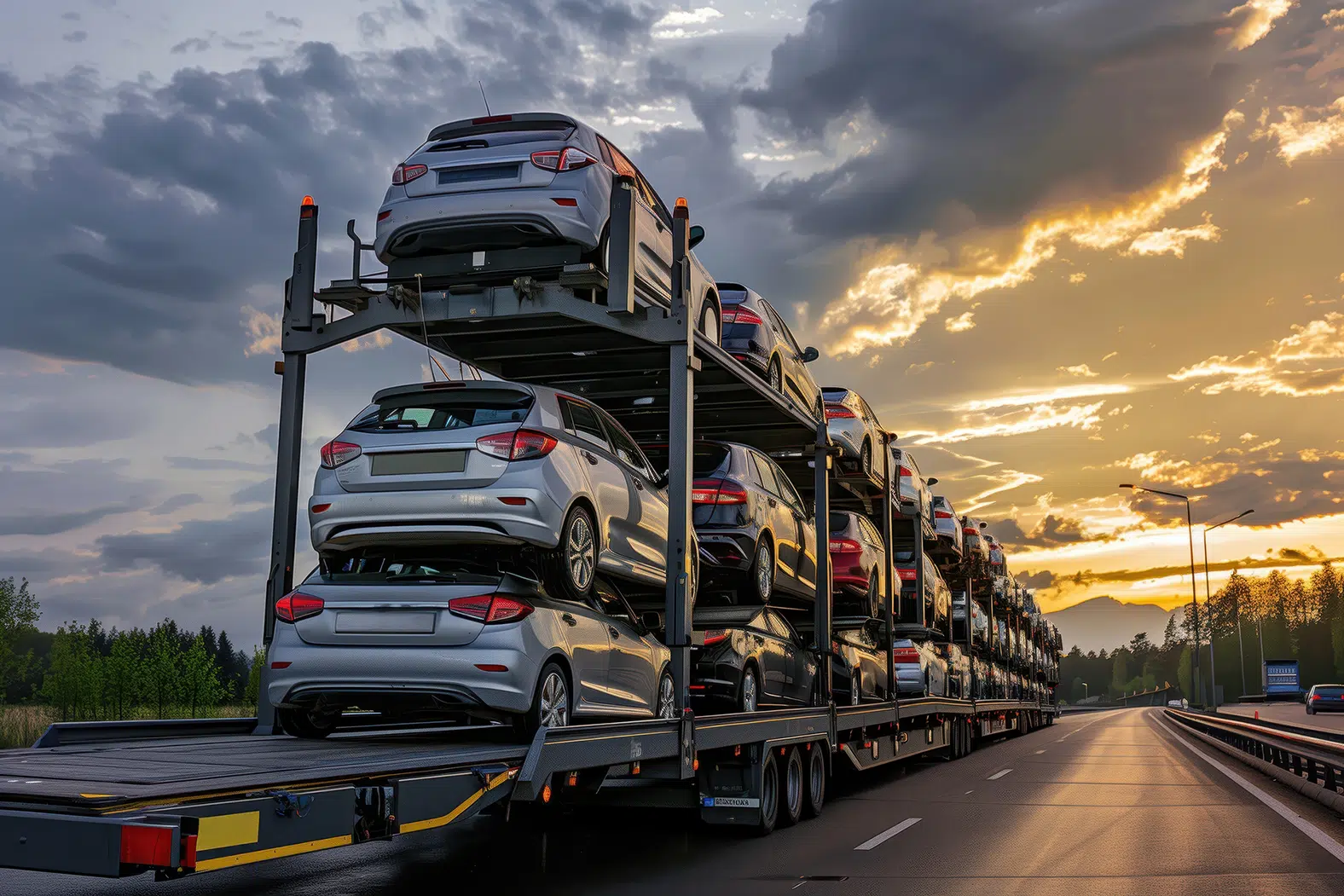
When planning to ship a vehicle, one of the first questions most people ask is how much it will cost. While distance is a major factor, it’s far from the only one that determines auto transport pricing. From seasonal demand to vehicle type and route popularity, several variables work together to influence your final quote. Understanding these factors helps you set realistic expectations and make informed decisions when arranging your shipment. In this guide, we break down the key elements that drive car shipping costs and how they impact your overall price.
Why Distance Is a Primary Pricing Factor
Distance directly affects fuel usage, driver time, and operational expenses.
Longer routes require more fuel and labor
Higher mileage increases wear and transport time
Short-distance routes may have higher per-mile rates
Cross-country shipments typically offer better per-mile value
However, distance alone doesn’t determine the final cost — logistics and demand also play major roles.
How Cost Per Mile Changes With Distance
Pricing structures vary depending on how far your vehicle travels.
Short-distance shipments (under 500 miles)
Higher cost per mile due to fixed operational expenses
Limited carrier availability on smaller routes
Mid-range shipments (500–1,500 miles)
More balanced pricing
Better carrier efficiency
Long-distance shipments (1,500+ miles)
Lower per-mile rates
Greater route optimization
Understanding this helps explain why longer shipments aren’t always proportionally more expensive.
Other Key Factors That Influence Auto Shipping Prices
Vehicle Size and Weight
Larger vehicles take up more space on the trailer
Heavier vehicles increase fuel consumption
SUVs and trucks typically cost more than sedans
Transport Type
Open transport is the most economical
Enclosed transport costs more due to limited capacity and added protection
Route Popularity
Major metro-to-metro routes are often cheaper
Rural pickups or deliveries may increase cost
Carrier supply and demand affect pricing
Seasonal Demand
Prices often rise during peak moving seasons
Snowbird routes see higher demand in fall and spring
Weather conditions may affect scheduling
Working with experienced transport coordinators like Preowned Auto Logistics can help you navigate these factors and receive realistic pricing.
How Timing Impacts the Cost of Shipping
Timing can significantly influence your quote.
Last-minute bookings may cost more
Flexible pickup windows can reduce the price
Off-peak seasons often offer better rates
Holiday periods may increase demand
Planning ahead gives carriers more routing flexibility.
Understanding Supply and Demand in Auto Transport
Auto shipping operates similarly to other logistics industries.
Carrier availability fluctuates
Busy routes fill faster
Fuel price changes impact rates
Market demand influences pricing trends
Many customers compare rates through platforms like uShip, but expert guidance can help interpret quotes more accurately and avoid misleadingly low bids.
Ways to Reduce Your Car Shipping Costs
Book early to secure better pricing
Choose open transport when possible
Be flexible with pickup and delivery windows
Ship between major cities if feasible
Avoid peak seasons when demand is highest
Provide accurate vehicle details to prevent price adjustments
Common Pricing Misconceptions
A longer distance always means a much higher cost
The cheapest quote is the best option
Prices are fixed regardless of timing
All routes cost the same
Enclosed transport is only for luxury vehicles
Clarifying these misconceptions helps set realistic expectations.
Frequently Asked Questions About Auto Shipping Costs
Is distance the biggest factor in pricing?
Yes, but vehicle type, timing, and route demand also play major roles.
Why do short trips sometimes cost more per mile?
Fixed operational costs are spread over fewer miles.
Does vehicle size affect the price?
Yes, larger and heavier vehicles usually cost more to ship.
How can I get the most accurate quote?
Provide exact locations, vehicle details, and timing preferences.
Do prices change throughout the year?
Yes, seasonal demand and fuel costs can affect rates.
Is enclosed transport worth the extra cost?
It’s recommended for high-value vehicles needing extra protection.
Conclusion: Understanding Pricing Helps You Plan Better
Auto shipping prices are influenced by a combination of distance, logistics, demand, and vehicle characteristics. While mileage plays a major role, factors like route popularity, transport type, and timing are equally important in determining your final quote. By understanding how these variables interact, you can make smarter decisions, avoid unexpected costs, and plan your shipment with confidence.