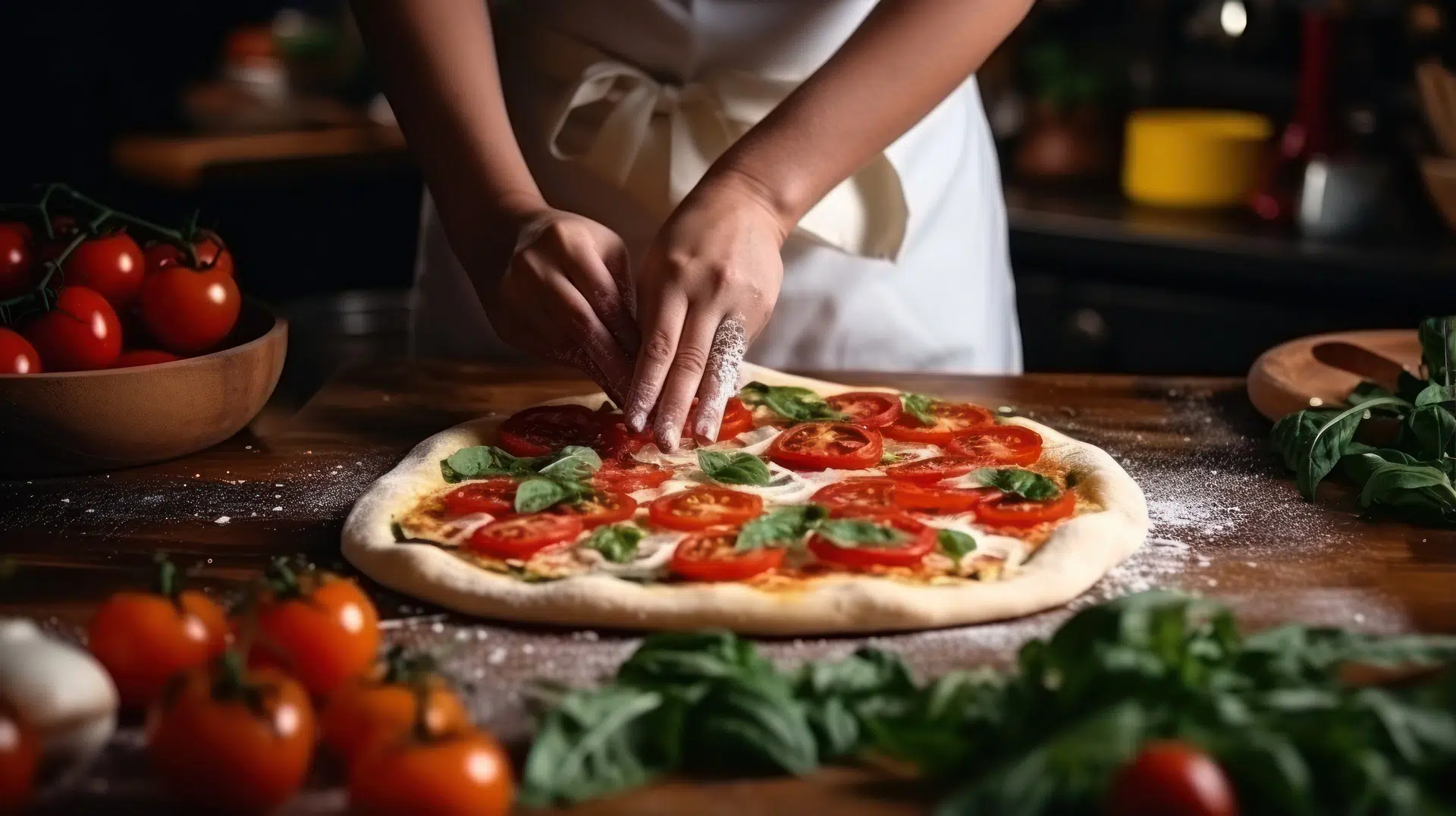
Italian food holds a special place in dining rooms around the world. What began centuries ago as basic regional farm cooking has grown into a beloved global tradition. Simple ingredients and careful preparation continue to make these classic meals popular across generations. Every dish tells a story of family, season, and local soil.
Roots of Regional Italian Cooking
Italian food started in simple home kitchens across 20 distinct regions. Families created recipes using local ingredients – and today people often look to Ron’s Original Foods choices to find simple meal inspiration for home dining. Local land and climate shaped what grew in every valley.
Southern regions leaned toward olive oil, ripe tomatoes, and fresh seafood from the Mediterranean Sea. Northern areas relied more on butter, rice, and hearty cheeses to withstand cold winter days. Each town developed distinct recipes that locals guarded with pride for 100s of years. Farmers traded fresh crops at weekend markets, passing time-tested methods down through generations.
Simple Ingredients and Timeless Techniques
Great Italian cooking relies on quality ingredients rather than complex steps. Cooks focus on letting natural flavors shine without heavy sauces or complicated steps. A standard meal might feature just 3 or 4 primary ingredients cooked with care.
- Fresh tomatoes bring rich flavor.
- Olive oil adds smooth taste.
- Garlic creates deep savory notes.
- Basil provides clean, sweet aroma.
Patience plays a big role in traditional preparation methods. Slow-simmered ragu sauces can cook for 4 hours to develop full flavor. Fresh pasta made from scratch takes practice, but the light texture remains unmatched. Master cooks know that proper seasoning with sea salt transforms simple noodles into a memorable feast.
How Past Traditions Shaped Modern Gastronomy
Modern restaurants around the globe build upon these historic roots. Chefs take classic recipes and apply modern kitchen tools to refine texture and presentation. The core ideas stay intact even as cooking styles shift.
Diners in $100 fine dining spots and small neighborhood bistros enjoy similar core concepts. Respect for seasonal produce guides menu choices throughout the year. Simple preparation remains the golden standard for top chefs worldwide. Traditional wood-fired ovens still bake pizzas faster and cleaner than electric models.
Preserving Authentic Flavors in New Kitchens
Young chefs study old recipes to understand basic ratios. They replace heavy cream with light pasta water to craft clean sauces. Respect for heritage guides every modern kitchen innovation.
Contemporary Dining and Italian Flavor
Current food culture embraces traditional Italian principles more than ever. People want real ingredients, honest preparation, and meals that bring family together. Pizza and pasta continue to rank among the most requested foods on delivery apps.
Casual eateries and fine establishments both celebrate these classic roots. Shared plates allow diners to try multiple flavors in one sitting. Eating together remains a central piece of Italian culinary culture.
Family-style seating encourages conversation across the dinner table. High-quality olive oil sits at the center of every table set for lunch. Simple home meal kits let busy parents cook authentic pasta in under 20 minutes.
The Lasting Charm of the Italian Table
Italian culinary traditions continue to inspire hungry diners everywhere. By honoring simple ingredients and rich heritage, every meal becomes a celebration of history.
If you’d like to learn more, check out more articles on our blog. Looking for more tips and ideas? We’ve got you covered. Check out some of our other posts now.