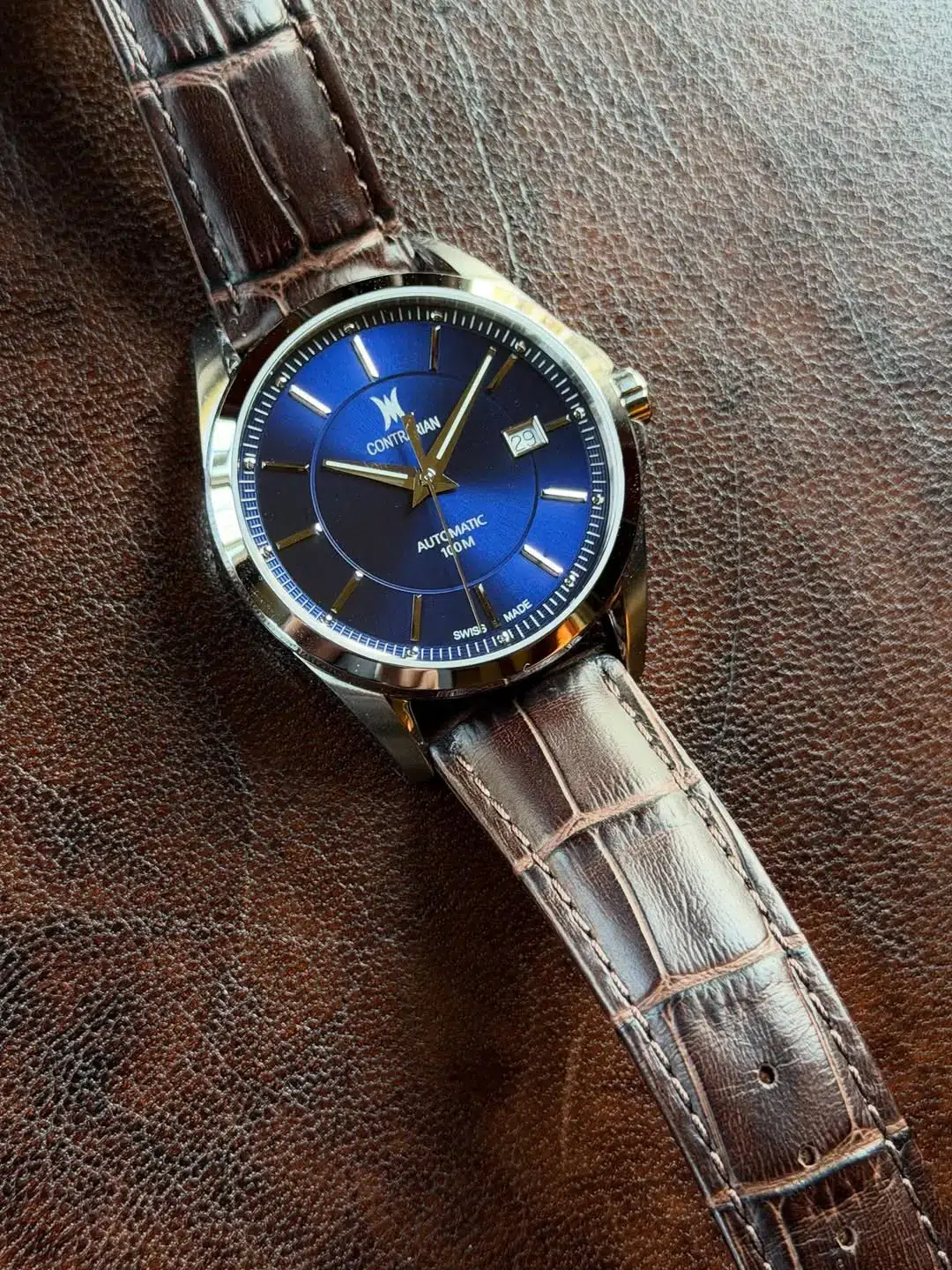
Creative defiance has become a defining force in modern horology, with avant-garde watch design positioned at the center of this shift. What once existed on the margins of traditional watchmaking now influences conversations around identity, craftsmanship, and cultural relevance. This evolution reflects a growing desire for objects that challenge assumptions while remaining functional, personal, and rooted in mechanical intelligence.
Interest in the classic watch, the lasting mechanics of the automatic watch, and the progression of watch straps all come together within this new design language.
Avant-garde watchmaking does not discard history. It reframes it through experimentation, abstraction, and unconventional thinking. As wearers move away from uniform expressions of taste, these designs gain importance as reflections of individuality rather than conformity.
Defining Avant-Garde in Horology
Avant-garde design in watchmaking centers on risk. It questions symmetry, layout, texture, and even how time should be displayed. Instead of following established visual formulas, designers explore unfamiliar arrangements that invite curiosity.
The goal is not shock alone; it is exploration.
This approach often challenges the idea that luxury must look familiar to feel legitimate.
Dials may abandon traditional hierarchies. Hands may move differently across the display. Materials may appear industrial or understated rather than decorative.
Each choice places intention ahead of convention.
Avant-garde watches reward close attention. Their value reveals itself gradually as wearers learn their internal logic. That slow discovery aligns with modern preferences for depth instead of instant gratification.
Cultural Shifts Driving Design Change
The rise of avant-garde watchmaking mirrors broader cultural change. Uniformity once signaled refinement. Today, personal narrative carries greater influence. People seek objects that express perspective rather than status.
Watches occupy a distinctive place within this transition. They remain one of the few personal objects worn daily across different environments, which allows them to communicate mindset in a subtle and consistent way. Avant-garde watch design gives wearers a means to express independence through intention rather than display.
This movement also reflects increasing skepticism toward disposable trends. As fashion cycles grow shorter, deliberate deviation feels increasingly relevant. Avant-garde watches resist rapid obsolescence by distancing themselves from seasonal aesthetics and short-lived visual cues.
Reimagining the Classic Watch
Avant-garde design does not remove the classic watch from relevance. It reshapes it by altering how familiar elements relate to one another. Proportions evolve, textures take on greater importance, and negative space becomes an intentional part of the composition.
A traditional round case may feature an unconventional dial structure, while Roman numerals can give way to abstract markers. These changes challenge expectations while maintaining clarity and visual balance.
This reinterpretation appeals to wearers who respect history but resist rigidity. The classic watch becomes adaptable rather than fixed, so its character can mature without losing coherence.
Mechanical Expression and the Automatic Watch
Mechanical integrity remains central to avant-garde horology. The automatic watch aligns naturally with experimental design because it symbolizes independence from external power, an idea that mirrors visual nonconformity.
Designers frequently place mechanical components on display instead of hiding them. Openworked dials, unconventional rotor profiles, and visible bridges turn the movement into an active part of the visual language. This lets timekeeping feel expressive as well as functional.
Despite visual experimentation, mechanical reliability remains a foundation. Avant-garde watches still respect precision and durability. The difference lies in presentation, not performance.
Materials as Creative Media
Material selection shapes how avant-garde concepts communicate intent. Traditional signals of luxury often give way to more restrained expressions. Matte surfaces replace high polish, and distinctive textures invite interaction rather than distant admiration.
Steel, ceramics, and treated alloys appear often because they support experimentation through varied finishing techniques and age naturally with wear. Marks acquired over time contribute to character instead of detracting from value.
This perspective aligns with modern values, where objects gain meaning through use. Avant-garde watches invite daily wear and interaction rather than careful preservation.
Watch Straps in Experimental Design
Watch straps carry heightened importance in avant-garde timepieces. Their design often extends the conceptual vision rather than serving as an afterthought. Strap materials, construction, and attachment methods influence how the watch feels and reads visually.
Some experimental watches pair unconventional dials with restrained straps to offset visual complexity, while others use texture or color to strengthen the overall theme. Comfort remains essential, as avant-garde pieces are often intended for regular wear rather than occasional display.
The ability to change straps adds flexibility. A single watch can shift tone dramatically through thoughtful pairing. This adaptability supports the wearer’s desire for personal control over expression.
Function Within Unconventional Forms
Avant-garde design pushes boundaries without abandoning practicality. Readability, comfort, and durability remain priorities, even when forms depart from convention. The challenge lies in achieving these qualities through unfamiliar layouts and structures.
Designers address this through deliberate contrast and visual hierarchy. Even abstract compositions guide the eye with intention, and case ergonomics remain carefully considered despite unconventional silhouettes. These solutions demonstrate that experimentation and usability can operate together.
This balance separates meaningful avant-garde design from novelty, where form supports function instead of competing with it.
Emotional Engagement and Wearer Experience
Avant-garde watches often create stronger emotional connections than conventional designs. Their unfamiliarity encourages exploration. Wearers notice new details over time, deepening appreciation.
This experience contrasts with watches that communicate everything at first glance. Avant-garde pieces reward patience and curiosity, inviting reflection rather than immediate judgment.
Such relationships reflect broader shifts in consumption, where people value objects that evolve alongside them. Watches that challenge perception support that sense of growth.
Market Evolution and Broader Acceptance
Avant-garde watchmaking once occupied narrow niches, but its growing acceptance reflects changing perceptions of luxury. Buyers increasingly recognize that craftsmanship does not depend on traditional aesthetics alone.
This evolution does not diminish classical watchmaking. It expands the dialogue. Both approaches coexist, offering distinct paths to satisfaction. Avant-garde design attracts those drawn to experimentation and perspective. As more wearers embrace individuality, these designs gain relevance and encourage innovation across the industry.
Why Avant-Garde Design Matters Today
Avant-garde watch design holds significance because it challenges complacency and keeps creativity central to the industry. Without experimentation, tradition risks stagnation. For wearers, these watches affirm personal agency, representing choices made deliberately rather than inherited by default. In a crowded marketplace, that sense of clarity resonates strongly.
Avant-garde design also preserves mechanical culture. By presenting movements in new ways, it keeps interest alive across generations. Innovation becomes a bridge rather than a rupture.
The Future Written Through Experimentation
The rise of avant-garde watchmaking reflects a broader desire for authenticity and expression. By questioning norms and reimagining form, designers expand what watches can represent.
Avant-garde watch design matters because it blends craftsmanship with contemporary values. It honors mechanics while inviting individuality. In doing so, it shapes a future where timekeeping remains relevant, personal, and deeply human.