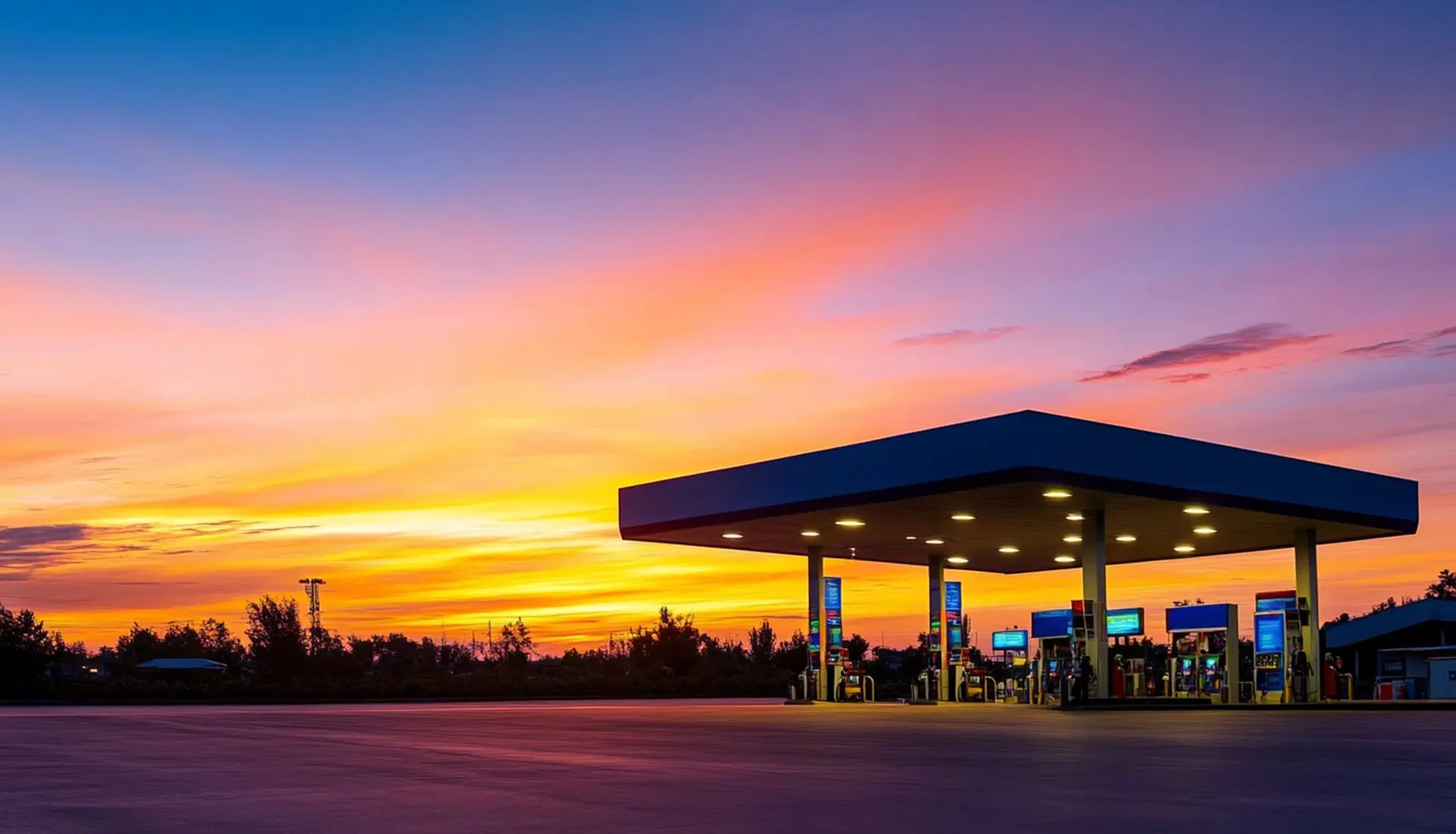
Drive across Alberta, and you’ll notice something quickly: distances are long, winters are serious, and nearly everyone depends on a vehicle. From the busy corridors between Calgary and Edmonton to quiet stretches of highway in the north, fuel stops aren’t a luxury.
That steady, everyday demand is exactly why gas stations in Alberta attract so much interest from buyers. A well-run station can generate reliable cash flow, sit on valuable commercial land, and serve a loyal local customer base for decades. But a gas station is also one of the more complex small businesses you can buy. Between fuel supply agreements, environmental regulations, thin fuel margins, and the changing future of transportation, there’s a lot to understand before you sign anything.
This guide walks you through the key things to know so you can approach the market with confidence rather than guesswork.
Why Alberta Is a Strong Market for Gas Station Owners
Alberta has several features that make it appealing for fuel retail. The province has a large network of highways connecting major cities, resource towns, farming communities, and tourist areas like Banff, Jasper, and Waterton. Commuters, commercial trucks, agricultural operators, oilfield workers, and summer tourists all need to fill up somewhere.
The province also has no provincial sales tax, which helps keep in-store purchases a bit more affordable for customers compared with some other provinces. And because Alberta’s population has been growing, new neighbourhoods on the edges of cities and towns continue to create demand for convenient fuel and retail stops.
Rural stations have their own strengths. In many small communities, the local gas station doubles as a grocery stop, coffee shop, lottery outlet, and social hub. That kind of community role can make a business surprisingly resilient.
Understanding How Gas Stations Actually Make Money
Many first-time buyers are surprised to learn that fuel itself is often not where the real profit lies. Fuel margins, the difference between what the station pays for fuel and what it sells it for, are usually measured in cents per litre. High volume helps, but fuel alone rarely makes a station highly profitable.
The real earnings often come from everything else: the convenience store, coffee and hot food, car washes, propane exchanges, lottery commissions, ATM fees, and sometimes rental income from a quick-service restaurant on the same lot. A station with a strong store and good food offerings can outperform a location that sells more fuel but has a weak retail side.
When you review any listing, look closely at how revenue is split between fuel and non-fuel sales. It tells you a great deal about the health of the business and where you might be able to grow it.
Branded vs. Independent Stations
One of the first decisions you’ll face is whether to buy a branded or an independent station.
A branded station operates under the name of a major fuel company. You benefit from national recognition, loyalty programs, marketing support, and often a reliable fuel supply. In exchange, you usually sign a long-term dealer or supply agreement that sets rules on pricing, appearance, required upgrades, and sometimes how much fuel you must buy. These agreements can be very valuable, but they can also be restrictive, so read them carefully.
An independent or unbranded station gives you more freedom to choose suppliers, set prices, and design the store your way. The trade-off is that you have to build customer trust yourself and may have less negotiating power with suppliers.
Neither option is automatically better. The right choice depends on your location, your experience, and how much control you want over the business.
Types of Gas Stations You’ll Find on the Market
Gas stations in Alberta come in many shapes and sizes. Urban and suburban stations tend to rely on commuters and residents, and they often have strong convenience store sales. Highway stations and travel centres serve long-distance drivers and truckers and may include diesel lanes, larger parking areas, restaurants, and washrooms that draw steady traffic. Rural stations frequently combine fuel with groceries, hardware, or post office services. Cardlock and commercial fuel sites cater mainly to fleet and agricultural customers.
Each type has a different customer base, operating schedule, and risk profile, so think about which fits your goals before you start comparing prices.
What Do Gas Stations in Alberta Cost?
Prices vary widely depending on location, fuel volume, land value, store size, the age of the equipment, and whether the land is included. A small rural station on leased land may be priced quite modestly, while a high-volume station with a large convenience store and car wash in a growing Calgary or Edmonton suburb can cost several million dollars.
It’s important to know exactly what’s included in the sale. Some listings include the land, building, equipment, and business. Others are business-only deals where you lease the property. Leased sites usually cost less upfront but come with rent obligations and less long-term security, so check the lease length, renewal options, and who is responsible for tank and equipment upgrades.
If you’re just starting to explore the market, reviewing current gas station listings across Alberta is a helpful way to see how asking prices compare with fuel volumes, store sales, and location. After looking at a handful of properties, you’ll start to recognize which ones are priced fairly and which ones may be reflecting hidden repair costs.
Environmental Due Diligence: Don’t Skip This Step
If there’s one area where buyers can lose a lot of money, it’s environmental liability. Gas stations store fuel in underground or above-ground tanks, and over time leaks and spills can contaminate soil and groundwater. Cleaning up contamination can be extremely costly, and in many cases the responsibility can fall on the property owner, even if the damage happened years before they bought it.
Before buying, it’s wise to commission a Phase I Environmental Site Assessment, which reviews the property’s history and looks for signs of risk. If concerns come up, a Phase II assessment involving soil and groundwater testing may be necessary. Many lenders will require these reports before approving financing anyway.
You should also confirm the age, condition, and registration status of the fuel storage tanks. In Alberta, many retail fuel storage systems fall under the oversight of the Petroleum Tank Management Association of Alberta, which administers tank registration, permits, and compliance requirements. Ask the seller for tank records, inspection reports, and any history of leaks or remediation work. Older tanks nearing the end of their lifespan may need to be replaced, which can be a major expense.
Financing a Gas Station Purchase
Financing a gas station is different from financing a house or even many other small businesses. Because of environmental risk and the complexity of the operation, lenders tend to look closely at the property and the buyer’s experience.
Expect to provide a solid business plan, proof of your own down payment, and details about your management background. Lenders will want to see several years of financial statements, fuel volume history, and store sales data from the current owner. Clean environmental reports can make a big difference in getting approved.
Some buyers look into government-backed small business loan programs or work with credit unions that understand local markets. In certain deals, the seller may be willing to finance part of the purchase, which can reduce the amount you need upfront and show that the seller believes in the business.
Reviewing the Financials Carefully
When you ask for financial records, go beyond the headline profit number. Look at fuel volume trends over the last few years, store sales by category, gross margins, labour costs, utility bills, credit card processing fees, insurance, and maintenance costs.
Pay attention to consistency. Sudden jumps or drops in sales may be explained by road construction, a new competitor, or a change in brand, but you’ll want to understand the cause. Compare reported numbers against tax filings and supplier invoices where possible. If a seller claims the business earns more than what’s documented, treat that with caution, because lenders and appraisers will rely only on verified figures.
Location, Traffic, and Competition
Location drives almost everything in fuel retail. A great station is easy to see, easy to enter and exit, and positioned on the side of the road that matches the busiest traffic flow. Corner lots at signalized intersections are often especially valuable.
Spend time at the site during different times of day and on weekends. Watch how many vehicles come in, how long lines are, and what people buy inside. Look at nearby competition, including large grocery-chain fuel stations that may use discounts to attract customers. Check with the local municipality about planned road changes, new developments, or highway bypasses that could affect traffic in the future.
Licences, Permits, and Regulations
Running a gas station involves a range of permits and compliance requirements. Beyond tank registration, you may need municipal business licences, fire safety inspections, food handling approvals if you sell prepared food, and authorization to sell tobacco and lottery products. Alberta Gaming, Liquor and Cannabis oversees lottery retailing in the province, so if lottery sales are part of the business, ask how the licence will transfer to you.
Also confirm that the zoning allows the current use and any expansion you have in mind, such as adding a car wash or restaurant.
Planning for the Future of Fuel
It’s natural to wonder how electric vehicles will affect gas stations over time. While Alberta’s shift to EVs has been slower than in some provinces, the long-term trend is worth considering, especially if you plan to own the business for many years.
Many owners are responding by strengthening their non-fuel revenue: better food service, larger convenience stores, car washes, and in some cases EV charging stations. A station that already earns a healthy share of its income from the store and services is better positioned for whatever changes come.
Working With the Right Team
Buying a gas station is not something to handle alone. A commercial real estate agent with fuel retail experience can help you find suitable properties and understand fair value. A business lawyer will review supply agreements, leases, and purchase contracts. An accountant can analyze the financials and advise on the best way to structure the purchase. An environmental consultant and a qualified equipment inspector round out the team.
Their fees are small compared with the cost of buying a property with hidden problems.
Questions to Ask the Seller
Before making an offer, ask the seller why they’re selling, how fuel volumes and store sales have changed over the past three to five years, how old the tanks and pumps are, whether there have ever been leaks or environmental issues, what the terms of any fuel supply or brand agreement are, and whether key staff plan to stay after the sale. A seller who answers openly and provides documents without hesitation is usually a good sign.
Final Thoughts
Gas stations in Alberta can be a smart investment for buyers who are prepared to do their homework. Steady demand, strong highway traffic, and the growing importance of convenience retail all work in an owner’s favour. At the same time, environmental risks, supply agreements, and thin fuel margins mean you need to look carefully at every deal.
Take your time, verify the numbers, invest in proper environmental checks, and build a strong team of advisors. When you’re ready to compare real opportunities side by side, marketplaces like Findbusinessesforsale.com let you browse businesses across different regions and price ranges, giving you a practical starting point before you dig into the details with your professionals. With the right preparation, you can find a station that fits your goals and grows with you for years to come.