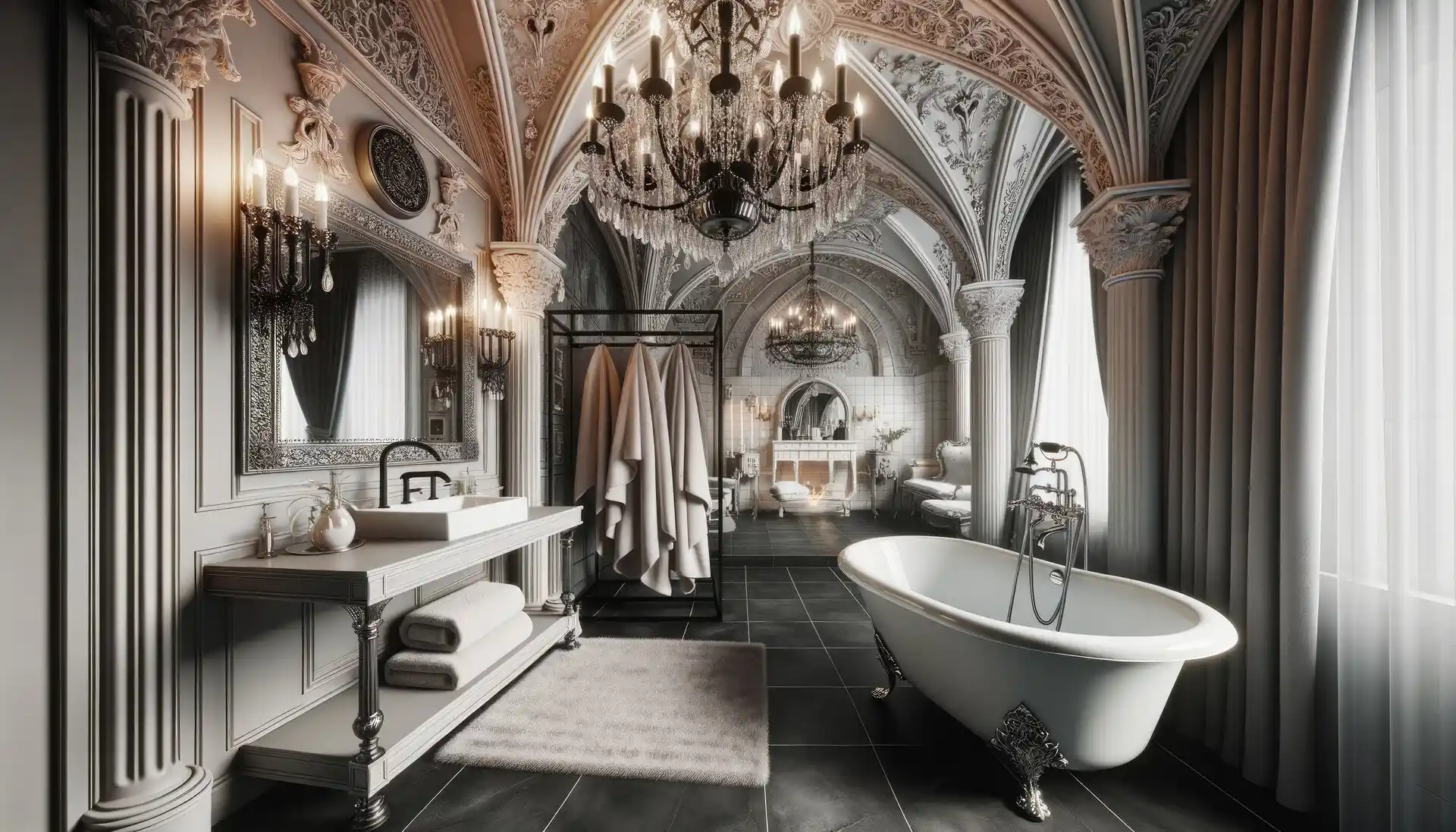
Hotel-inspired bathroom design reflects a growing shift away from short-lived trends towards spaces that feel considered, calming, and built to last. Rather than chasing whatever is currently exciting on social media or pinning dozens of ideas to Pinterest without a clear vision, homeowners are increasingly looking to the bathrooms found in the world’s best hotels for guidance.
In most hotel bathrooms, design is never accidental. Every shower tile, mirror, and surface works together to create a space that feels restorative after a long day. As renovation priorities have evolved since 2020, bathrooms are no longer treated like secondary rooms compared to the bedroom or living areas. Instead, they are being designed as indoor retreat spaces that balance privacy, comfort, and understated luxury.
This article explores how hospitality design principles can be applied at home, whether you are planning a large renovation or tackling a small bathroom project, and how thoughtful choices can transform not just a bathroom, but the way you start and end each day.
What Makes Hotel Bathrooms Feel Different?
Hotel bathrooms feel luxurious, not because they are extravagant, but because they are carefully controlled and intentionally designed. Their sense of calm comes from consistency, clarity, and a focus on experience rather than excess.
Consistent finishes throughout: Taps, showers, spouts, and accessories typically share the same finish, creating a seamless visual flow that feels cohesive rather than piecemeal.
Floor-to-ceiling surfaces: White tiles or marble often extend from floor to ceiling, avoiding visual breaks at corners and making even smaller bathrooms feel more spacious and refined.
Thoughtful use of natural light: Light is often borrowed from adjacent spaces or softened with frosted glass to balance brightness with privacy, while mirrors are positioned to reflect light rather than add clutter.
Experience-led layouts: Open showers with strong water pressure, rainfall showerheads, and well-placed tubs prioritise comfort and relaxation, ensuring every element feels purposeful rather than cost-driven.
The Psychology of “Retreat” Spaces
The appeal of hotel-inspired bathroom design is not purely visual. It is psychological. These spaces are designed to help the body and mind decompress, especially after a long day filled with screens, noise, and constant decision-making.
Hotel bathrooms feel calming because they remove visual clutter. There are no competing colours, no unnecessary décor, no overload of products lining every surface. Instead, a limited colour palette, often centred around soft neutrals, stone, and warm metal finishes, creates a sense of order. Even small details, like how the toilet is positioned or subtly screened, contribute to a feeling of privacy and ease.
Material choices matter. Marble, stone-effect tiles, and textured shower tile feel grounding underfoot. Matte finishes absorb light gently, while polished surfaces reflect it just enough to feel luxe without glare. Adding a bit of greenery or carefully chosen plants introduces softness and life, reinforcing the spa-like atmosphere indoors.
Importantly, this effect is achievable without copying hotel bathrooms exactly. Homeowners don’t need commercial budgets or professional photography setups. With thoughtful planning, a clear vision, and restraint, the same sense of calm can be created at home.
Key Elements of Hotel-Inspired Bathroom Design
Hotel-inspired bathrooms succeed because every detail works together. Rather than focusing on individual statements, they prioritise cohesion, proportion, and experience.
1. Coordinated Fixture Systems
One of the defining features of hotel bathrooms is the use of coordinated fixtures and systems. Instead of mixing taps, showers, and controls from different collections or other projects, hotels rely on fixtures designed to work together visually and mechanically.
Matching valves, spouts, and controls reduces installation issues and ensures consistent performance. A common example is an open shower setup combining a rainfall showerhead with a handheld option, both in the same finish. This creates flexibility without clutter and ensures the shower feels intentional rather than pieced together.
2. Timeless Finishes
Hotels rarely chase trends. Instead, they invest in finishes that hold their appeal over time. White tiles, brushed brass, matte black, and polished chrome remain popular because they work across different styles and colour schemes.
The key is commitment. Carrying one finish through taps, shower fittings, accessories, and even smaller elements like flush plates creates visual calm. This approach avoids the common issue seen in other bathrooms, where too many finishes compete for attention and date quickly.
3. Walk-In Showers and Wet Rooms
Walk-in showers and wet rooms are now closely associated with hotel-inspired bathroom design. Frameless glass, linear drains, and large-format floor tiles create an open, airy feel that works particularly well in small spaces.
Wet rooms also reflect hospitality design principles by prioritising flow, ease of cleaning, and accessibility. When combined with good lighting, thoughtful ceiling height, and quality shower tile, they feel stylish rather than utilitarian.
4. Statement-Free Luxury
Perhaps the most overlooked principle is restraint. Luxury hotel bathrooms rarely rely on bold feature walls or dramatic patterns. Instead, they allow material quality to speak for itself.
Stone, wood accents, well-crafted sanitaryware, and subtle colour variations create depth without noise. This approach ensures the space remains elegant long after trends shift or new ideas appear in your search results.
Sourcing the Right Fixtures
Achieving a hotel-inspired bathroom design depends heavily on where fixtures are sourced. One of the most common pitfalls in residential projects is mixing products from multiple suppliers, increasing the risk of mismatched finishes or discontinued lines.
Suppliers offering consistent product collections reduce this risk significantly. Coordinated ranges ensure visual alignment and long-term availability, particularly important for future replacements or extensions.
There is also growing interest in commercial-grade durability within residential settings. Fixtures designed for hospitality environments are built to withstand frequent use, making them well-suited to family homes seeking longevity.
Working with a specialist supplier like House of Enki allows homeowners to access curated collections that balance durability, compatibility, and design cohesion.
Coordinated collections also reduce decision fatigue. Instead of evaluating dozens of individual components, homeowners can focus on layout, finish, and experience, confident that the technical details align behind the scenes.
Practical Tips for Homeowners
Creating a hotel inspired bathroom is less about adding more and more about making considered decisions early on. A clear plan, cohesive finishes, and an understanding of how fixtures work together can make the design process far smoother while ensuring a refined, long-lasting result.
Choose your finish first: Selecting a finish at the outset helps anchor the entire design. Once decided, build your fixture list around it to ensure taps, showers, and accessories all belong to the same family.
Prioritise the shower or bath in your budget: These elements shape the daily experience more than vanities or storage. Investing in a quality rainfall showerhead or a well-proportioned freestanding bath will deliver lasting impact and comfort.
Work with installers who understand system compatibility: This is especially important for thermostatic shower systems and wet room layouts. Mixing brands can introduce compatibility issues behind the wall, so a coordinated approach is often the most reliable option.
Bringing Hotel Design Principles Home
Hotel-inspired bathroom design is not about copying luxury hotels piece by piece. It is about adopting the principles that make those spaces successful: cohesion, quality, and longevity. With carefully coordinated fixtures, timeless finishes, and a focus on experience over decoration, homeowners can achieve a boutique hotel bathroom without boutique-level budgets. Exploring suppliers who specialise in coordinated bathroom ranges is often the simplest first step toward creating a space that feels calm, considered, and built to last.