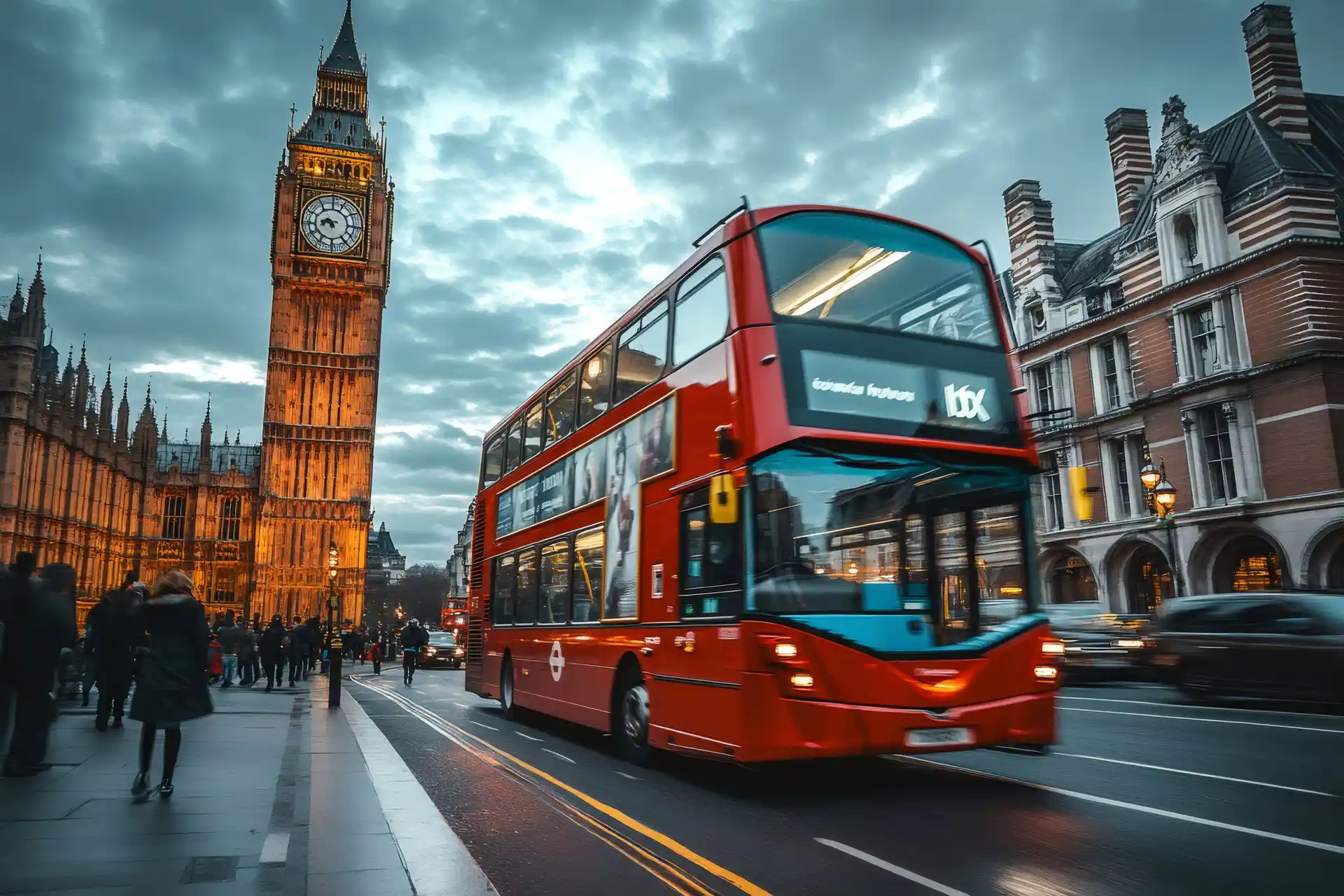
Business travel is rapidly evolving in 2026, with a record-breaking year in 2025 across leading global destinations. There are several fascinating insights to be gained from London’s steady growth in the business travel category. This year, the industry sees London moving more towards a stabilisation of costs, with moderate rate hikes.
The focus is now moving to more value-based travel from only cost-cutting, with companies and business travellers prioritising wellness, sustainability, and higher productivity. The stabilising hotel rates and global airfares are expected to continue boosting business travel in London.
AI-based travel planning is also enabling personalised and swift booking and management of itineraries. Rail-first travel policies and higher sustainability goals are other key criteria for corporates in 2026. Most companies seek sustainable and environmentally friendly accommodation options that have lower carbon footprints and multiple eco-friendly features. Bleisure (business + leisure) is also mainstream, with accommodations integrating access to on-site amenities like gyms, pools, spas, and more. Gen Z and millennial business travellers are also driving demand for digital-first and seamless booking experiences. So, how is London’s business travel market shaping up in 2026?
Let’s find out more below…
Key Factors that Contribute to London’s Business-Friendly Appeal
There are several factors that contribute to the business-friendly appeal of London. For starters, its convenient and strategic location in Europe makes it a magnet for corporate travellers. The Heathrow Airport achieved a whole new record for annual traffic in 2025, serving 84.5 million passengers last year, higher than 2024’s tally by 0.8% (year-on-year). At the same time, London has also been named as the top European city for meetings and events as per the annual listings of Cvent for destinations. It is the third year in succession that London has taken the top spot in the listings.
The launch of the London Growth Plan will also be a major push for doing business in the UK capital, with more innovation anticipated throughout the events segments. This will encompass new hotels and other accommodations, venues, and more unique experiences. In 2025 itself, there was a robust business travel recovery in London. 5.1 million business visitors were reported in the UK, with London accounting for a majority of these last year. 2025 also witnessed the use of AI-backed tools for itinerary booking and management, while a majority of companies focused on sustainability. 46% of business travellers mixed their work with leisure, while there was an increase in linked trips. The longer or extended trip trend was visible in the business travel category throughout 2025.
How 2026 Will Pan Out for Corporate Travel
With more corporate apartments set to enter the London market in 2026, demand is rising for flexible leases, extended stays, and bleisure-friendly accommodation. Companies are increasingly prioritising spacious, wellness-oriented stays at competitive rates, making professionally managed serviced apartments in London a preferred choice for employee travel and long-term assignments.
Apartments combining home-like comfort with hotel-style services in prime business locations are now the preferred accommodation choice for visitors to the UK capital. This trend is set to continue into 2026 and beyond. This year will see more AI-backed integration for travel management, with various tools focusing more on real-time adjustments to itineraries, predictive analytics, and automated management of expenditure.
Traveller wellness will take precedence over several other factors, becoming a KPI (key performance indicator). There will be higher demand for 24/7 support and sustainability features, while travel policies will focus more on environmentally friendly options. Companies will increasingly book dedicated business-friendly apartments that have lower carbon footprints and more sustainable features. This comes from the need to balance travel needs with carbon goals.
London is expected to create a major buzz with the mainstream integration of technologies like AI-powered smart glasses for translation and navigation, and driverless taxis in the near future. There will be more business cum leisure trips, with corporates looking to stay in vibrant and high-end localities like Mayfair for unique local experiences. There will be a shift towards smarter and hybrid travel, with high-value meetings and face-to-face interactions prioritised over regular trips.
Concluding Notes
Higher demand for corporate serviced apartments is one of the biggest indicators of the city’s continual progress in the business travel category. Other advantages include its economic progress, excellent business infrastructure and amenities, easy accessibility through public transportation facilities, and cutting-edge meeting and event venues. A flourishing start-up and technology culture is further boosting business travel, along with the abundance of co-working spaces.
The city’s cultural and historic landmarks further make it attractive for business travellers, along with its exquisite shopping, dining, and nightlife. Going forward, there will be a propensity for extended business travel with sustainable yet home-like accommodation at competitive rates in strategic locations. At the same time, the London Growth Plan will further contribute to business productivity and attract more travellers to the city.