First impressions in the present-day world are far more than just about walking into a boutique or spotting a billboard. In 2026, the world of luxury has changed, and how brands make their first impact on consumers has evolved in exciting, thoughtful ways. From the rise and reassessment of quiet elegance in fashion to the growing influence of digital-first experiences, luxury players are redefining what makes an impression truly memorable.
In this blog, let us explore how the luxury business is transforming and what trends matter most in 2026.
Rethinking Luxury: What The State of Fashion 2026 Tells Us
The newly released BoF State of Fashion 2026 outlook highlights a crucial shift in luxury and fashion:
- Growth is slowing
- Customers are more cautious with spending
- Brands are being challenged to innovate beyond logo-driven designs.
Many houses that once relied on conspicuous branding are instead pushing creativity, craftsmanship, and digital experiences to connect with buyers.
At the same time, retail trends 2026 show that brick‑and‑mortar space is not disappearing, but its role is changing as stores must now deliver deeper experiences, not just transactions.
This backdrop sets the stage for understanding why first impressions, whether online, through packaging, or in experiential settings, are more important than ever.
Quiet Luxury Trend 2026: Subtle Status and Its Limits
One of the most talked‑about ideas shaping fashion and lifestyle this year is the quiet luxury trend 2026. This aesthetic focuses on understated elegance — premium materials, tailored silhouettes, refined colors, and craftsmanship over recognisable logos or flashy displays. It appeals to people who value quality and timelessness, representing a deeper emotional shift from seeking attention to valuing authenticity.
Quiet luxury rose as consumers tired of trend saturation and rapid turnover. Yet, its dominance in 2026 is not uncontested. Some fashion analysts note a swing back toward expressive and bold styles, especially among younger shoppers who connect more with individuality than subtlety. Whether quiet luxury remains a long‑term pillar or evolves into something new, it has already reshaped how brands think about value, status, and first impressions.
First Impressions in the Digital World
In an age where a product reveal or fashion drop might happen with a single Instagram post or livestream, digital presence is one of the first ways consumers encounter luxury brands. Digital storytelling through high‑quality visuals, live events, and interactive experiences is now as critical as traditional advertising.
For beauty brands, this digital emphasis is particularly pronounced. The 2026 trends in the beauty space have seen packaging innovation become a content medium in its own right. Thoughtful packaging isn’t just protective; it’s shareable, photogenic, and social‑ready. Research on packaging design trends shows that elements like personalization, storytelling, and interactive features — such as QR codes linking to exclusive content — help create memorable moments that consumers want to broadcast.
In this context, PR takes on new meaning. For luxury houses and high‑end beauty brands, investing in beautifully designed PR kit box packaging for creators and VIP clients has become a strategic way to make a strong first impression. These beautifully curated PR deliveries transform simple product mailers into an immersive brand impression. These light PR angle moments, where luxury meets experience, can drive buzz and serve as organic endorsements across social platforms.
Luxury Brands Struggling — And How They Are Adapting
Despite the creativity and buzz, not all luxury brands are having a smooth ride. Many traditional players are navigating economic headwinds, shifts in consumer spending, and competitive pressures. Recent industry news highlights how some esteemed houses have seen sales decline or sought to restructure their businesses to regain momentum.
Challenges include balancing heritage with relevance, determining where to invest in retail vs digital, and appealing to both established collectors and new audiences. Some brands are investing more in storytelling through collaborations, limited‑edition releases, and creative campaigns to differentiate themselves and reinforce relevance.
2026 Trends Across Beauty and Retail
Luxury is not just about fashion; the beauty sector is also a major part of the luxury business story in 2026. Beauty brands are innovating with both product and packaging, merging functionality with emotional engagement.
Trends such as sustainability, personalization, connected packaging, and interactive experiences are shaping how products are presented and, importantly, how they are first perceived by consumers.
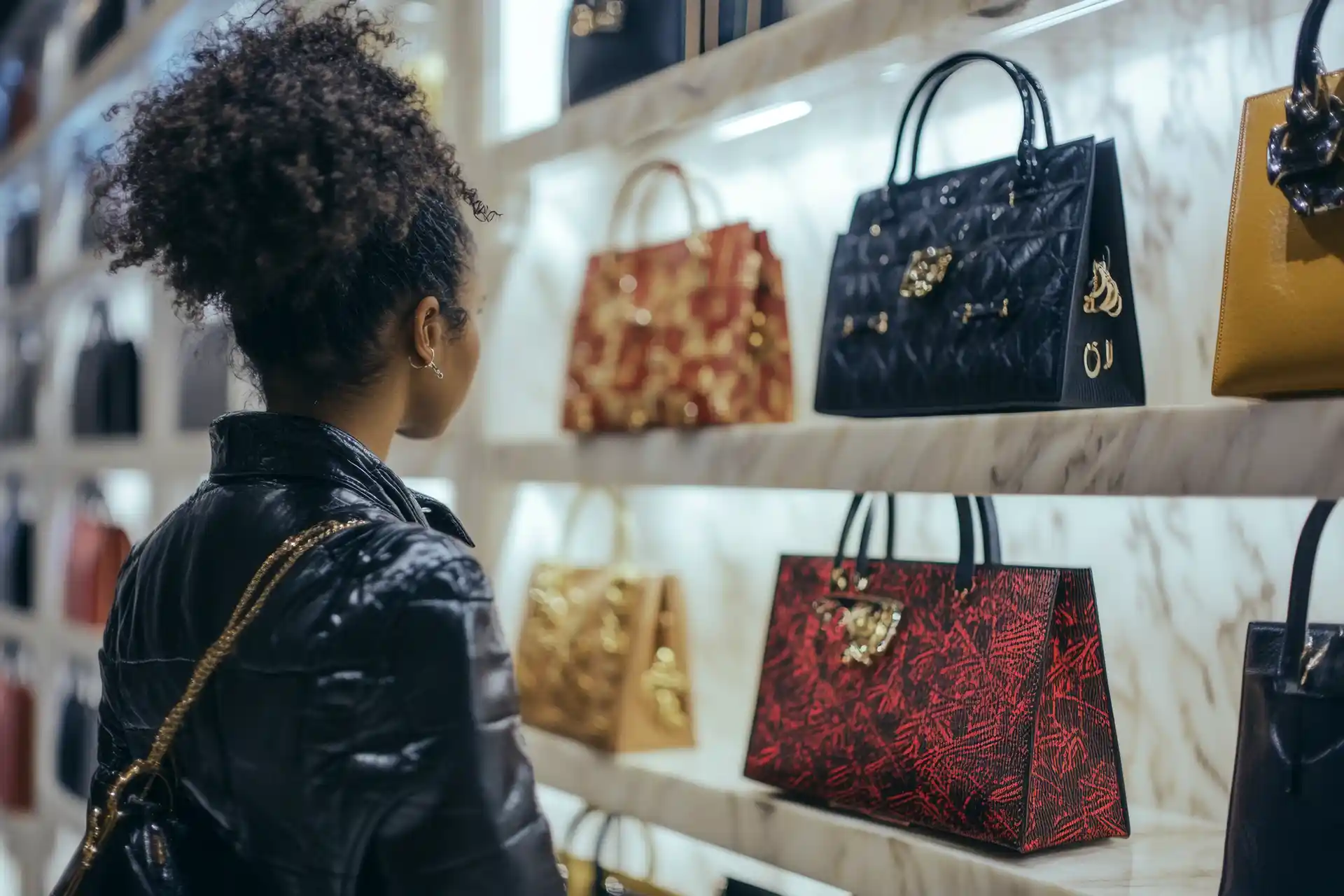
Retail trends 2026 also show a stronger focus on experiences. Rather than simply displaying products, luxury boutiques are curating environments that reflect brand identity and lifestyle. Pop‑ups in unique locations, immersive digital installations in stores, and hybrid online‑offline journeys are becoming the norm.
Brands to Watch in 2026
While it is hard to list every noteworthy name without oversimplifying, several patterns emerge. Brands that marry heritage with modern relevance, especially those willing to experiment with experiential retail, strategic digital storytelling, and thoughtful personalization, are gaining attention.
Innovative houses in both fashion and beauty are tapping into cultural moments, collaborating with creators, and leaning into creative risk‑taking rather than safe repetition.
Luxury value is not just in the price tag anymore. It is in the moment of connection. Brands that understand how to create meaningful first impressions, whether through experiential retail, influencer engagement, or beautifully crafted packaging, are the ones lighting up conversations and building deeper consumer loyalty.
Key Learning from Luxury Trends 2026
As we reflect on how luxury brands are redefining first impressions this year, several clear themes emerge.
- Luxury is no longer purely about visibility or logos. It is about narrative and experience.
- Consumers, particularly younger generations, crave authenticity, personalization, and purposeful design.
- Digital platforms and social channels are now essential touchpoints in the first impression journey.
- Finally, innovation from packaging to digital formats continues to shape how luxury houses communicate value and engage audiences.
In 2026, first impressions are about connection as much as craftsmanship. From quiet luxury trend 2026 aesthetics to immersive PR strategies and evolving retail experiences, the luxury world is in flux and redefining itself in ways that make every first moment count.