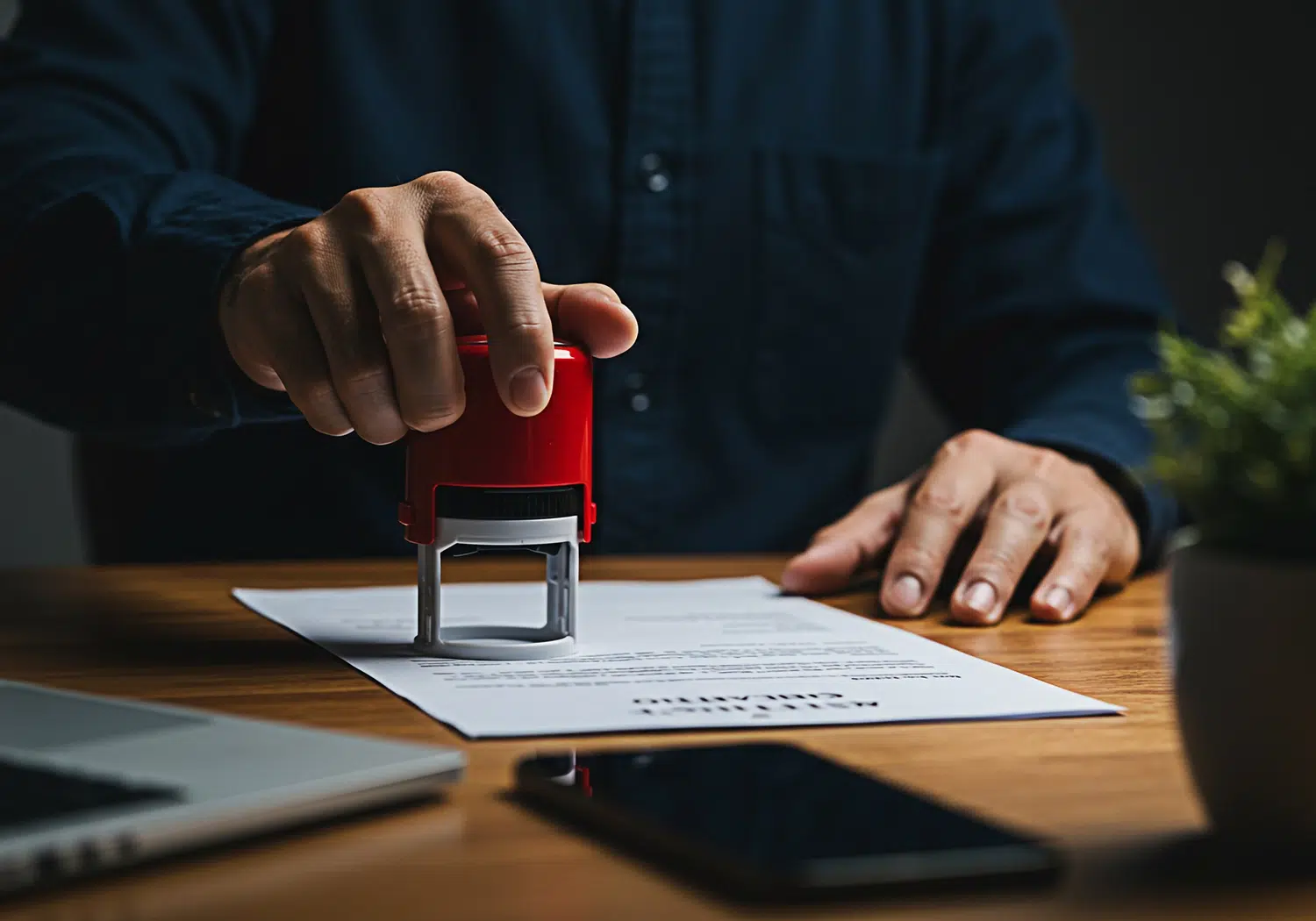
Getting your documents apostilled might sound like a technical chore, but when it comes to official paperwork like birth certificates, marriage records, or educational degrees, it’s a process that can make or break your international plans.
Pasadena document apostille services in California play a key role in helping residents get their paperwork authenticated for use abroad.
Whether you’re applying for a visa, enrolling in a foreign university, or getting married overseas, an apostille is the golden stamp of legitimacy.
Understanding What an Apostille Really Means
An apostille is more than just a fancy stamp—it’s a form of international certification that verifies a document’s authenticity under the Hague Convention.
Imagine you’re moving to Spain for a job.
Your employer might need your university degree verified to prove it’s real.
That’s where apostille services come in—they confirm that your California-issued document is genuine, saving you from endless back-and-forth with foreign offices.
It’s the same story for marriage certificates or adoption records.
Governments and institutions abroad don’t automatically trust foreign documents.
They need proof that the issuing authority in the U.S. is legitimate.
That’s exactly what an apostille does—it bridges trust between countries.
Pasadena document apostille services in California are often used by people who plan to live, study, or work overseas, especially when foreign governments request official verification.
Why Apostille Services in Pasadena Are So Important
Pasadena has a diverse population—students heading to Europe for master’s programs, professionals relocating for work, and families dealing with immigration paperwork.
For each of these cases, time and accuracy matter.
One small error, like an incorrect notarization or missing seal, can cause weeks of delays.
That’s why many people turn to local specialists familiar with California’s authentication rules and the Secretary of State’s requirements.
For example, a friend of mine needed her teaching credentials apostilled before moving to South Korea.
She thought she could handle it herself, but after realizing that notarization had to be done in a specific way, she ended up redoing everything.
Using a Pasadena-based service would’ve saved her both the headache and the postage costs.
Common Documents That Need Apostille Certification
Not every document needs an apostille, but here are the ones most frequently requested for international use:
- Birth Certificates – for citizenship applications, dual nationality, or immigration
- Marriage Certificates – for spousal visas, name changes, or overseas weddings
- Educational Degrees and Diplomas – for employment or studying abroad
- Power of Attorney – to authorize someone overseas to act on your behalf
- Corporate or Legal Documents – for international business dealings
If your document was issued in California, it must be authenticated by the California Secretary of State before being recognized internationally.
Real-Life Example: Apostille for Marriage Abroad
Picture this—you’re engaged and planning a destination wedding in Italy.
You need to prove your legal single status and provide an apostilled marriage certificate afterward.
When you’re already juggling flights, hotel bookings, and guest lists, dealing with bureaucracy is the last thing you want.
This is where Pasadena’s local apostille professionals shine.
They know the local courthouses, the right departments, and the best turnaround strategies.
A close acquaintance went through this exact scenario.
She was getting married in Florence and needed multiple copies of her birth certificate and
Marriage documents authenticated.
The process was smooth once she worked with someone who handled California-issued records daily.
Step-by-Step: How the Process Works
While each case is unique, here’s a simple breakdown of what typically happens when using Pasadena document authentication services:
- Document Verification: The original document is checked for eligibility.
- Notarization (if required): Some documents must first be notarized by a licensed California notary public.
- County Clerk Authentication: If notarized, it might need to be authenticated by the local county clerk.
- Apostille from the Secretary of State: Finally, the document is sent to Sacramento or Los Angeles for the official apostille stamp.
Some providers even offer expedited service, which can be a lifesaver if you have a visa deadline or embassy appointment approaching.
Educational Documents: The Most Common Requests
Educational records are among the top reasons Californians seek apostille certification.
Universities abroad typically request an apostilled diploma or transcript before accepting international students.
Employers in countries like Japan or the UAE also ask for verified degrees before issuing work permits.
For Pasadena students graduating from Caltech or nearby universities, this step is crucial.
I remember a fellow student heading to London for her postgraduate degree who had to rush her diploma authentication.
The university required an apostille before confirming her enrollment.
What seemed like a small technicality became the most important step before her flight.
Avoiding Mistakes That Cause Rejections
One of the biggest pitfalls people encounter is submitting incomplete or incorrectly prepared documents.
For instance, photocopies without notarization or documents issued from another state can’t be apostilled in California.
Each document must originate from California’s jurisdiction.
If it’s not, it has to go through the state of issuance.
Another mistake is overlooking translation requirements.
Some foreign institutions need both the original and a certified translation of the document.
Failing to include that can delay approval even if your apostille is valid.
Apostilles vs. Legalization: What’s the Difference?
Apostille and legalization are similar, but they’re not identical.
Countries that are members of the Hague Apostille Convention accept apostilled documents.
Non-member countries, like China or the UAE, require a process called legalization, which involves additional embassy verification.
Knowing the difference helps avoid submitting the wrong type of certification.
In short, an apostille = Hague countries; legalization = non-Hague countries.
How Long Does It Take?
Processing times depend on the number of documents and whether expedited service is used.
Standard mail-in processing might take one to two weeks, while walk-in or courier services can reduce that to a few days.
If you’re in a rush, same-day apostille options may be available for certain document types.
Having worked with people who needed last-minute authentications before traveling, I’ve seen how valuable time management can be.
A simple delay in document approval can cause missed visa appointments or job start dates.
Final Thoughts: Simplifying International Paperwork
When you need official documents accepted overseas, apostille certification is your ticket to smooth processing.
It ensures your records—whether personal, academic, or legal—carry the necessary international credibility.
By relying on Pasadena-based experts who understand California’s rules, you reduce the risk of rejection and save time.
The process might seem bureaucratic, but it’s the invisible bridge connecting your U.S. paperwork to recognition across borders.
Whether you’re getting married in Europe, studying in Asia, or expanding your business abroad, the right help makes all the difference.