A man walks into a casino wearing a full gladiator costume, complete with armor and a cape. Security doesn’t stop him. They know who he is. Phil Hellmuth, holder of 16 World Series of Poker bracelets, has arrived for work.
The poker table was never meant to be a fashion venue. For decades, players showed up in whatever let them sit comfortably for hours on end. Wrinkled shirts, baseball caps pulled low, sunglasses masking bloodshot eyes. Function won every time. Then something happened. The cameras got better, the audiences got bigger, and the players started paying attention to how they looked while stacking chips.
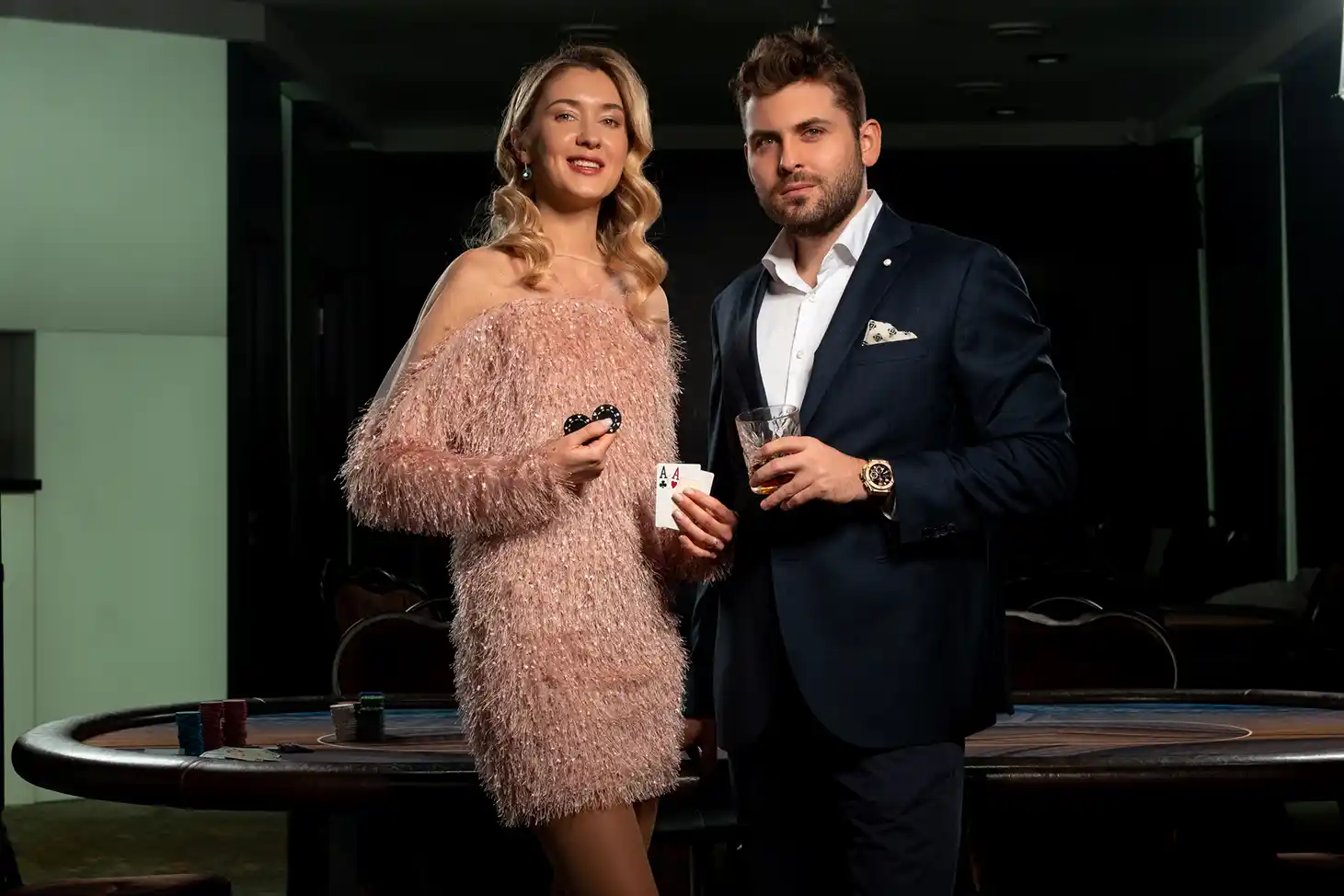
Luxury fashion houses such as Armani, Gucci, and Louis Vuitton have influenced the broader style seen at high-stakes tables. Many professional poker players now incorporate designer pieces from well-known luxury brands that balance comfort, durability, and visual impact during long tournament sessions.
Costume Stunts and Calculated Appearances
Phil Hellmuth has walked into WSOP events dressed as a Roman gladiator, a championship boxer, and once as a giant baby. These entrances serve a purpose beyond spectacle. They put opponents off balance before any cards are dealt. Other poker players have taken note, and the table now hosts a mix of tailored suits, designer streetwear, and occasional theatrical costumes competing for attention alongside the chips.
Television cameras changed the math on what to wear. Millions watch these broadcasts, and players who once dressed only for comfort now consider how their appearance reads on screen during tense hands.
Hellmuth’s costumes are calculated down to the minute he removes the helmet or drops the boxing robe. The spectacle distracts. It becomes a topic of conversation at the table. It forces opponents to think about something other than their cards, even if only for a few seconds. Those seconds add up across a tournament that can last days.
Daniel Negreanu and the Case for Quiet Style
Not everyone at the table wants to be a character. Daniel Negreanu sits with 6 WSOP bracelets and over $42 million in live tournament earnings. His approach to fashion runs in the opposite direction from Hellmuth’s theatrical entrances.
Negreanu favors fitted blazers and coordinated casual suits. The colors stay muted. The fits stay precise. Nothing about his appearance demands attention, but everything about it suggests control. He looks like a man who knows exactly what he is doing, which is the point.
His partnership with Contenders Clothing and other fashion and apparel brands came from this consistency. Sponsors want players who present a predictable image across hundreds of hours of broadcast footage. Negreanu delivers that. He shows up looking the same way every time, and that sameness becomes a recognizable brand.
What 12 Hours Does to a Suit
The practical demands of tournament poker punish bad clothing choices. A player might sit in the same seat for an entire day. The air conditioning runs cold. The lights run hot. Fabrics that look good at hour 1 can look wilted by hour 8.
This is why clothing choices at the table—especially pieces influenced by modern luxury brands—focus heavily on construction and comfort. Jackets need enough stretch in the back to allow a player to lean forward without pulling at the shoulders. Trousers need room through the thigh for hours of sitting. Shirts benefit from breathable weaves that won’t show sweat under broadcast lighting.
A poorly chosen outfit becomes a tell. The player tugging at a tight collar or shifting against a restrictive waistband gives away discomfort. Opponents read these physical cues. The clothes become part of the game.
Streetwear’s Seat at the Table
Younger players arriving on the professional circuit bring different references. They grew up on sneaker culture and limited-edition drops. Their version of dressing for the table often involves hoodies with four-figure price tags and rare Jordan releases.
The mix at any given final table can be striking. A 60-year-old in a three-piece suit might sit next to a 24-year-old in a Supreme box logo and Off-White sneakers. Both are making deliberate choices. Both understand that the cameras are running.
This generational split in style has turned the poker table into something like a survey of male fashion across age groups. The formal and the casual sit side by side, each making its own argument for what success should look like.
The Psychology of Looking Good
Players talk about confidence at the table in terms of reads, aggression, and bankroll management. They talk less about how they feel when their clothes fit well, but the effect is real.
A player who feels put together enters a tournament with one less thing to worry about. The outfit is handled. The appearance is correct. Mental energy can go elsewhere. This sounds minor until you consider how much of poker happens in the margins. Small advantages compound.
Some players use their appearance to project specific images. The young pro in designer streetwear wants to look loose, unpredictable, and comfortable with risk. The veteran in the dark suit wants to look patient, serious, difficult to rattle. These projections may or may not match actual playing styles, which is part of the game.
Sponsorship and the Business of Appearances
Poker broadcasts reach audiences in the millions. A player who makes multiple final tables in a year accumulates substantial screen time. That screen time has value, and sponsors know how to calculate it.
Fashion deals for poker players work differently from traditional athlete endorsements. A tennis player wears a logo on their sleeve and appears in print ads. A poker player wears a brand for 14 hours of continuous broadcast coverage, often in close-up shots during pivotal hands. The exposure metrics favor poker.
Negreanu’s deals across clothing and apparel categories follow this logic. His consistent appearance and frequent deep runs in tournaments make him a reliable vehicle for brand messaging. Other players with similar profiles have attracted similar interest from fashion and lifestyle brands.
The Table as a Stage
The felt was always a performance space. Players have always been acting, bluffing, and pretending strength or weakness. The addition of fashion to this performance makes sense once you accept the basic premise.
What you wear is information. It tells the table something about who you are or who you want them to think you are. A costume entrance says one thing. A perfectly tailored suit says another. Streetwear worth more than the tournament buy-in says something else entirely.
The players who succeed at the highest levels understand that every piece of information matters. Their clothing is no exception. They dress for comfort, for cameras, for psychology, and for competitive advantage. The poker table has become a runway because the best players recognized that looking good is part of playing well.
Conclusion
Poker has always been a game of perception, where even the smallest details can influence how opponents interpret a hand. In today’s televised tournament era, personal style has quietly become part of that equation. From Phil Hellmuth’s theatrical entrances to Daniel Negreanu’s calm, refined wardrobe, clothing now reflects personality, confidence, and strategy. The modern poker table is no longer just a place for cards and chips—it has become a subtle stage where image, psychology, and competition intersect.