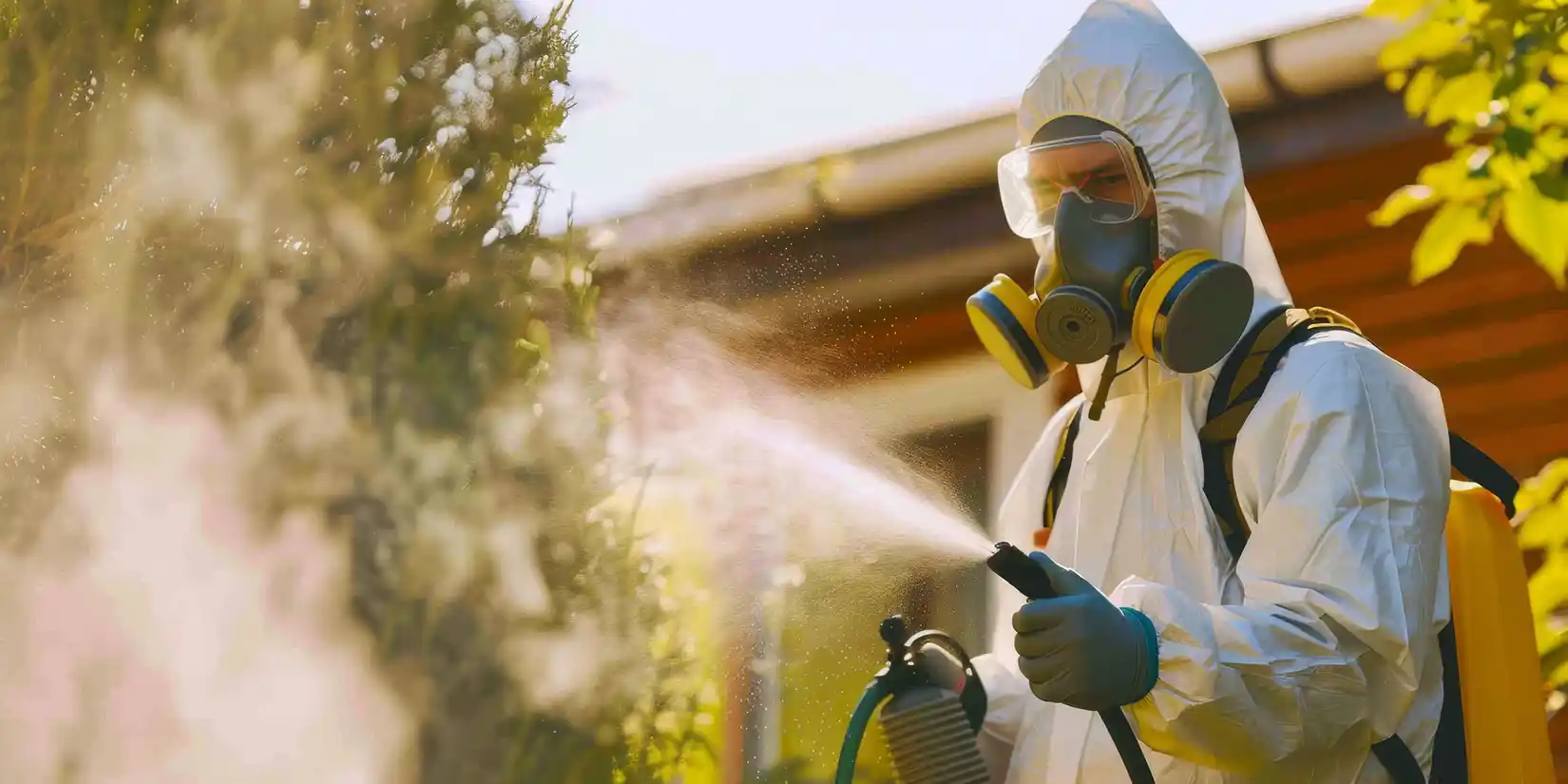
Protecting a property involves more than maintaining visible surfaces. While landscaping and interior upgrades enhance appearance, unseen structural threats can create far greater damage if left unaddressed. Termites are among the most destructive of these hidden risks, silently weakening essential support systems over time.
Unlike sudden weather events, termite damage develops gradually. Colonies operate behind walls, beneath flooring, and inside wooden framing, where daily routines rarely reveal warning signs. Proactive planning becomes essential for minimizing structural vulnerability.
Property owners who partner with Agile Pest Control recognize that consistent Termite control strategies play a vital role in preserving durability and long-term performance.
Understanding how termites compromise structures
Termites feed primarily on cellulose found in wood and plant materials.
As they tunnel through beams and framing components, they hollow out structural supports from the inside. This internal damage often progresses without visible surface changes, making early prevention critical.
Structural compromise can affect safety.
The importance of preventive treatment plans
Waiting for visible damage increases risk.
Preventive programs focus on creating protective barriers before infestations develop. Applying targeted solutions in advance reduces the likelihood of colonies establishing themselves within the structure.
Proactive Termite control lowers the chance of major structural disruption.
Creating protective soil barriers
Subterranean termites typically enter through soil contact.
Treating soil around foundations forms a defensive barrier that deters movement toward structural wood. These treatments help block access points before termites reach framing materials.
Barrier systems reinforce long-term protection.
Addressing wood-to-soil contact
Wood that touches soil creates easy entry routes.
Deck posts, fence supports, and exterior siding placed too close to ground level increase vulnerability. Adjusting these conditions reduces exposure and strengthens preventive efforts.
Environmental adjustments support Termite control effectiveness.
Managing moisture to discourage activity
Moisture-rich environments attract termite colonies.
Leaking pipes, poor drainage, and damp crawl spaces create favorable conditions for infestation. Reducing moisture supports structural preservation and decreases termite appeal.
Dry conditions promote resilience.
Protecting high-risk structural zones
Certain areas face a higher risk than others.
Basements, crawl spaces, and foundational joints require focused attention. Reinforcing these zones through treatment and monitoring reduces the chance of hidden entry.
Agile Pest Control evaluates these locations carefully when implementing protective strategies.
Strengthening new construction projects
Preventive treatment is especially valuable during construction.
Applying soil treatments before foundations are completed creates early defense. Incorporating preventive planning into building stages improves long-term structural integrity.
Forward-thinking protection reduces future complications.
Supporting renovations and additions
Home improvements may unintentionally create vulnerabilities.
New additions or landscaping changes can disturb protective barriers. Reassessing treatment coverage ensures continued defense across updated structures.
Consistent Termite control maintains structural continuity.
Reducing long-term repair costs
Structural restoration can require extensive reconstruction.
Preventive treatment minimizes the likelihood of replacing beams, subfloors, or support posts. Avoiding major repairs protects both finances and property stability.
Strategic planning supports cost control.
Preserving property aesthetics
Termite damage often spreads beyond framing.
Flooring, trim, and drywall may suffer when infestations expand. Early prevention helps avoid cosmetic deterioration and interior restoration projects.
Protection extends throughout the property.
Safeguarding commercial buildings
Businesses face similar risks.
Structural damage in offices, retail centers, or warehouses can disrupt operations and create liability concerns. Implementing proactive treatment programs helps maintain continuity and reliability.
Agile Pest Control supports commercial clients with tailored prevention strategies.
Monitoring environmental changes
Environmental conditions shift over time.
Heavy rainfall, landscaping adjustments, and nearby construction can alter soil composition and moisture levels. Reassessing treatment plans ensures barriers remain effective under evolving circumstances.
Adaptability strengthens Termite control results.
Protecting multi-family housing
Apartment complexes and shared housing require coordinated oversight.
Multiple units increase exposure points, making structured prevention essential. Comprehensive treatment plans protect residents and property owners alike.
Collective defense enhances durability.
Supporting resale value
Preventive measures demonstrate responsible ownership.
Documented treatment history reassures potential buyers and reduces concerns during inspections. A well-protected structure retains a stronger market appeal.
Transparency builds buyer confidence.
Encouraging consistent oversight
Preventive treatment is not a one-time solution.
Ongoing evaluation ensures protective barriers remain intact. Periodic reassessment allows adjustments based on structural or environmental changes.
Agile Pest Control emphasizes consistent monitoring as part of effective Termite control programs.
Minimizing disruption during treatment
Preventive applications are typically less invasive than corrective measures.
Addressing risk before infestation develops reduces the need for extensive repairs or large-scale interventions.
Minimal disruption improves homeowner comfort.
Promoting environmentally mindful practices
Modern preventive methods focus on targeted application.
Precise treatment reduces unnecessary exposure while maintaining effective defense. Responsible planning balances protection with environmental awareness.
Thoughtful strategies encourage sustainability.
Building long-term structural confidence
Uncertainty about hidden damage can create anxiety.
Preventive termite treatment provides reassurance that structural components remain protected. Confidence grows when risks are addressed proactively rather than reactively.
Durability supports peace of mind.
Conclusion
Termites pose a silent but serious threat to structural durability. Preventive treatment plans create barriers, manage environmental conditions, and strengthen high-risk areas before infestations take hold. By prioritizing proactive Termite control, property owners reduce repair costs, preserve aesthetics, and maintain long-term stability.
With guidance from Agile Pest Control, preventive strategies become an integral part of responsible property care. Through consistent oversight, environmental management, and targeted treatment, homes and commercial buildings remain secure.