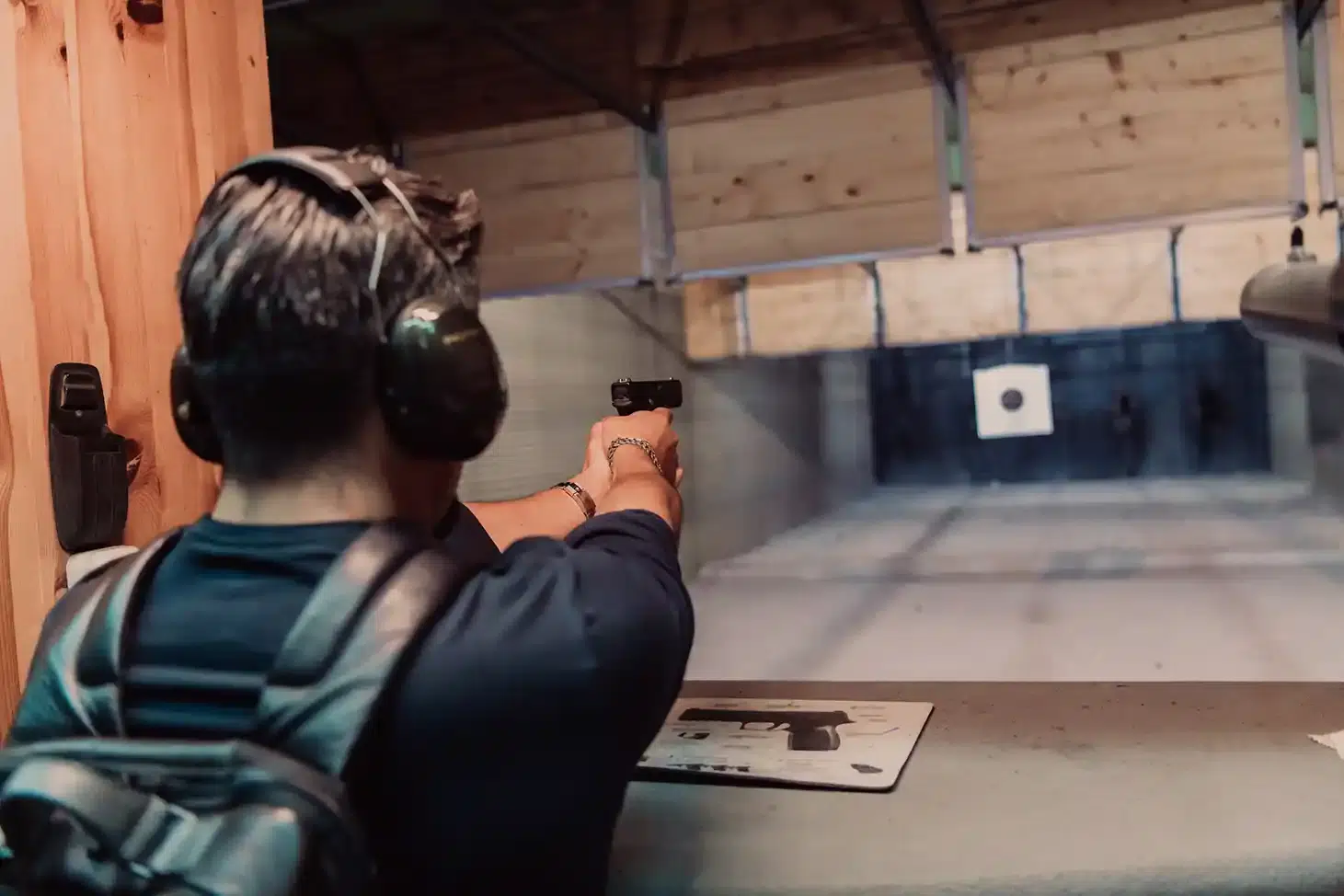
Responsible firearm ownership goes far beyond owning the right equipment. In today’s world, it’s about education, awareness, and developing habits that prioritize safety—for yourself and for everyone around you. As more people explore shooting sports for recreation, training, or personal development, understanding the fundamentals of responsible ownership has never been more important.
Firearms should always be approached with respect and intention. From learning safe handling techniques to investing time in proper training, responsible ownership is a continuous process—not a one-time decision. Below are ten essential principles that highlight how education and safety form the foundation of confident, responsible firearm ownership.
1. Education Comes Before Equipment
Before stepping into a range or handling any firearm, education should come first. Understanding how firearms function, how to store them safely, and how to handle them responsibly builds confidence and prevents mistakes. Formal instruction, whether through certified courses or experienced mentors, helps establish a solid foundation early on.
2. The Role of Protective and Supportive Gear
While education and training are critical, the right supporting equipment can enhance safety and comfort during practice. Items like eye protection, ear protection, and range tools help create a safer shooting environment. Thoughtfully selected gear—such as Able’s Shooting Accessories—supports responsible habits without overshadowing the importance of education and discipline.
3. Proper Storage Protects Everyone
One of the most important responsibilities of firearm ownership is secure storage. Locking firearms when not in use and storing them separately from other equipment reduces the risk of unauthorized access. Safe storage isn’t just about compliance—it’s about protecting family members, visitors, and the broader community.
4. Understanding Local Laws and Regulations
Firearm laws can vary widely depending on location, and staying informed is essential. Responsible owners take the time to understand local regulations, transport requirements, and range rules. Legal awareness ensures that ownership remains both safe and compliant at all times.
5. Training Builds Confidence and Control
Ongoing training plays a major role in responsible ownership. Range practice, safety refreshers, and skill development all contribute to better control and situational awareness. Training also reinforces discipline, helping owners stay calm and focused during use.
6. Safe Handling Is a Daily Habit
Firearm safety isn’t something you practice only at the range—it’s a mindset you carry every time you interact with one. Treating every firearm as if it’s loaded, keeping your finger off the trigger until ready to shoot, and always being aware of your surroundings are habits that should become second nature.
7. Respect for the Range and Others
Responsible ownership extends to how you behave around others. Following range rules, communicating clearly, and respecting fellow shooters fosters a safe and welcoming environment. Awareness of shared space is a key part of being a responsible participant in shooting activities.
8. Teaching Safety to New Shooters
Experienced firearm owners often play an important role in guiding newcomers. Teaching safe handling, explaining expectations, and modeling responsible behavior helps reinforce safety culture. Patience and clear communication make learning more effective and enjoyable for everyone involved.
9. Mental Preparedness Matters
Responsible firearm ownership isn’t just physical—it’s mental. Staying alert, managing stress, and knowing when not to engage are crucial elements of safe behavior. Responsible owners understand that judgment and self-awareness are just as important as technical skill.
10. Responsibility Is an Ongoing Commitment
Safety and education don’t stop after the first lesson or range visit. Responsible ownership is a lifelong commitment that evolves with experience, new information, and changing circumstances. Staying informed and proactive ensures that safety remains the top priority.
Final Thoughts
Responsible firearm ownership begins with education and is sustained through safe practices, awareness, and respect. By prioritizing learning, proper handling, and thoughtful preparation, owners contribute to a culture that values safety above all else.
Firearms should always be handled with intention and care. When education leads the way and responsible habits follow, ownership becomes not just safer—but more confident, respectful, and meaningful.