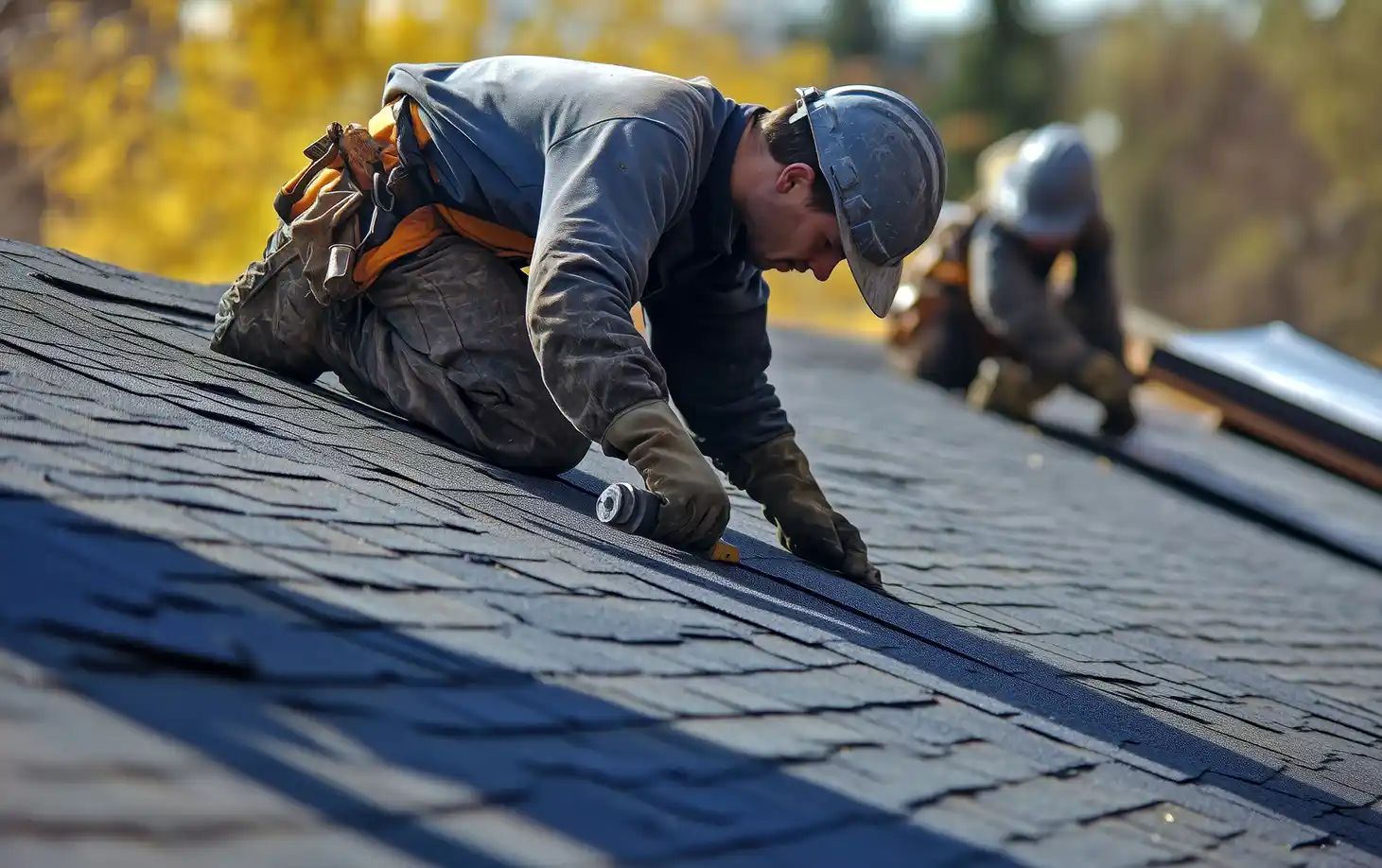
Severe weather can place significant stress on a home’s exterior, especially the roof. Heavy rain, strong winds, hail, and rapid temperature changes all test the strength of roofing materials. When a roof begins to age, its ability to withstand these conditions gradually declines.
Many homeowners focus on visible damage after storms but overlook the long-term wear caused by repeated exposure. Small weaknesses can develop slowly and remain hidden until extreme weather reveals them. Replacing an aging system at the right time strengthens overall protection and reduces vulnerability.
Class Roofing understands that Roof Replacements are not only about restoring appearance. They are also a proactive way to improve resilience and prepare homes for increasingly unpredictable weather patterns.
Understanding How Weather Affects Roofing Systems
Every season introduces unique challenges. Summer heat expands roofing materials, while winter cold contracts them. Over time, this repeated movement weakens seals and fastening points.
Heavy rainfall tests drainage capacity and exposes small cracks. Wind lifts edges and loosens materials that have already begun to deteriorate.
These forces accumulate gradually, reducing reliability as the roof ages.
Strengthening Wind Resistance
High winds can lift shingles or compromise flashing. Older materials may no longer adhere firmly to the roof deck.
Modern installation techniques improve attachment strength. Enhanced fastening systems help prevent wind uplift and material displacement.
Roof Replacements offer the opportunity to upgrade to materials designed for higher wind ratings and improved durability.
Improving Water Management
Effective water management is essential during storms. When shingles lose integrity or flashing deteriorates, water may seep beneath the surface.
New roofing systems incorporate advanced underlayment and sealing technologies. These layers create multiple barriers against moisture intrusion.
Improved water control protects interior spaces from unexpected leaks.
Enhancing Impact Resistance
Hail and airborne debris can cause significant surface damage. Aging shingles often crack or split when struck.
Modern materials are engineered for improved impact resistance. Greater flexibility allows them to absorb force more effectively.
Replacing outdated roofing enhances protection against sudden impact events.
Supporting Structural Stability
Water intrusion from storm damage can weaken decking and support structures. Over time, this affects the roof’s overall strength.
During Roof Replacements, professionals inspect underlying components and reinforce compromised areas.
This process restores structural stability and prepares the home for future weather exposure.
Adapting to Temperature Extremes
Temperature swings create expansion and contraction cycles. These cycles gradually loosen fasteners and degrade sealants.
Updated materials are designed to accommodate thermal movement more effectively. Improved flexibility reduces stress on connections.
Modern systems perform more consistently under fluctuating conditions.
Reducing Long-Term Maintenance Needs
Aging roofs often require frequent inspections and minor repairs after storms. This ongoing maintenance adds cost and inconvenience.
Replacing the system reduces the likelihood of repeated storm-related issues.
Fewer vulnerabilities translate into fewer emergency service calls.
Supporting Energy Efficiency During Extreme Weather
Severe heat and cold affect indoor comfort. Roofing systems play a role in maintaining insulation performance.
New materials often reflect heat more effectively and work better with ventilation systems.
Improved insulation stability reduces strain on heating and cooling equipment.
Reinforcing Vulnerable Areas
Roof edges, valleys, and penetrations are common weak points. Storms often target these sections first.
During installation, professionals strengthen these areas with updated flashing and sealing methods.
Midway through a replacement project, Class Roofing ensures that these vulnerable zones receive reinforced protection.
Preparing for Increased Rainfall
Some regions experience heavier rainfall patterns than in the past. Older systems may not be designed for increased water volume.
Roof Replacements allow homeowners to upgrade drainage features and underlayment materials to handle higher runoff levels.
Enhanced capacity supports better long-term performance.
Protecting Against Ice and Freeze Cycles
In colder climates, freeze-thaw cycles can cause water trapped beneath shingles to expand. This expansion leads to cracks and separation.
New roofing systems incorporate ice and water barriers that reduce infiltration risks.
Improved protection minimizes damage from winter weather events.
Maintaining Curb Appeal After Storms
Storm damage can leave visible marks such as missing shingles or discolored sections.
Modern materials resist cosmetic damage more effectively, helping homes maintain a clean and consistent appearance even after severe weather.
Appearance and performance work together to support property value.
Supporting Insurance Confidence
Insurance providers often evaluate roof condition when assessing risk. Older roofs may result in higher premiums or limited coverage.
Replacing outdated systems can improve insurability and demonstrate proactive maintenance.
Reliable roofing strengthens overall risk management.
Reducing Emergency Stress
Homeowners often experience anxiety during major storms, especially if the roof is aging.
Upgrading before problems occur provides reassurance. Confidence in structural protection reduces stress during extreme conditions.
Prepared homes create peace of mind.
Aligning Upgrades With Long-Term Goals
Weather resilience is part of long-term home planning. Waiting for failure may limit options and increase costs.
Strategic Roof Replacements allow homeowners to choose materials thoughtfully and schedule installation during favorable conditions.
Planning ahead maximizes value and control.
Enhancing Overall Home Durability
Roof strength contributes to the durability of the entire property. Water intrusion and structural weakening affect other systems over time.
By restoring full roofing integrity, homeowners reinforce the home’s overall defense against environmental stress.
Durability improves both safety and longevity.
Long-Term Financial Benefits
Preventing storm damage reduces repair expenses and potential interior restoration costs.
Investing in updated roofing materials may also increase resale appeal and buyer confidence.
Financial stability grows when major structural systems remain reliable.
Creating a More Resilient Future
Weather patterns continue to evolve, making resilience more important than ever.
Replacing aging roofs prepares homes for future challenges rather than reacting to damage after it occurs.
With guidance from Class Roofing, homeowners can rely on Roof Replacements to strengthen long-term weather resilience. Thoughtful upgrades, reinforced materials, and professional installation combine to deliver dependable protection, improved efficiency, and greater confidence through every season for years to come.