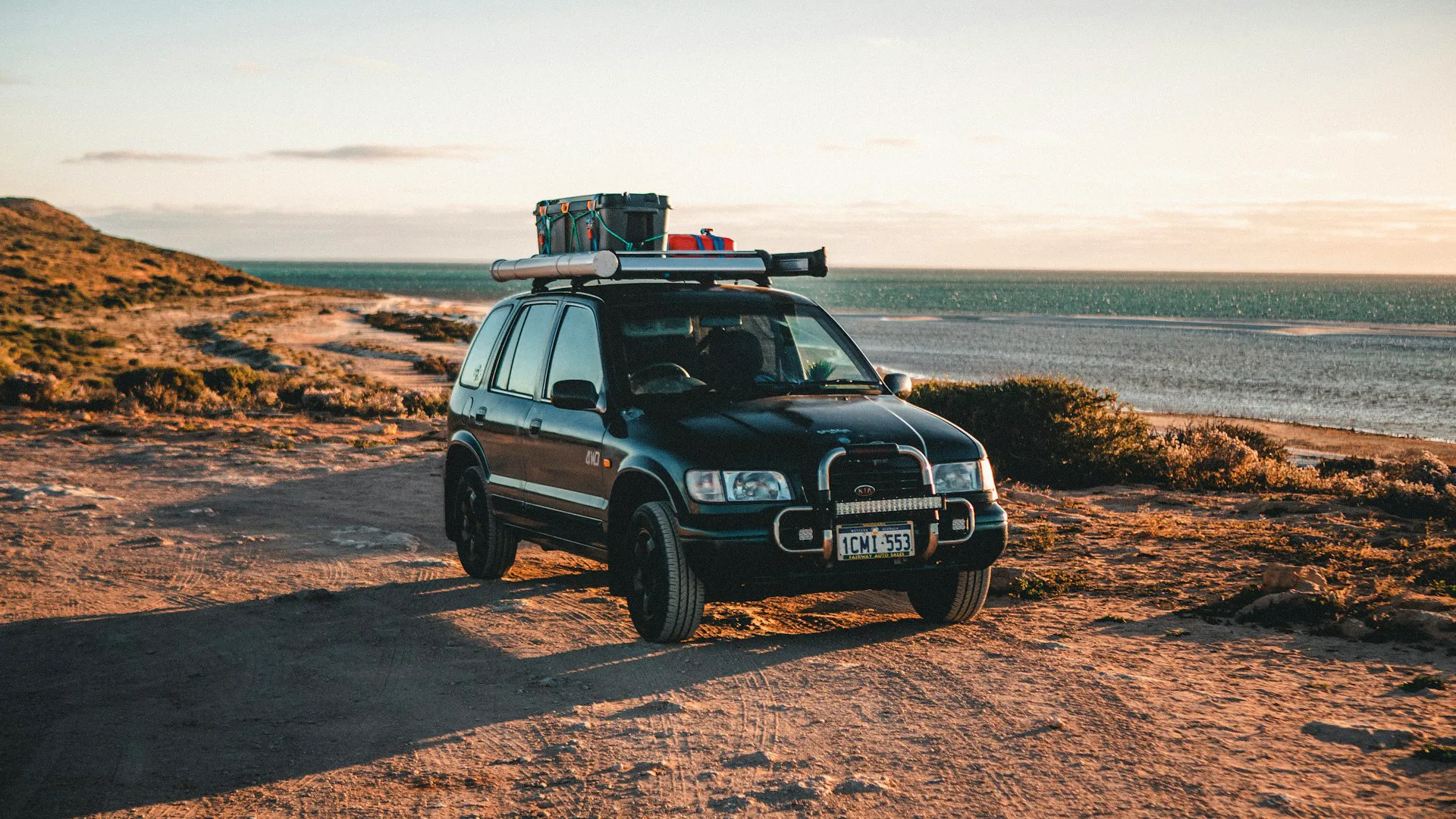
Australia is not the kind of place where you can just wing it. The distances are real, the terrain is unforgiving, and the gap between the last servo and the next one can stretch further than you expect. Whether you are planning a coastal run, a trip through the red centre, or a working drive across regional Queensland, how you prepare your vehicle before you leave makes all the difference.
This is not about having the most expensive setup. It is about making smart decisions before you hit the road so that the trip itself is actually enjoyable.
Why Australian Roads Test Your Vehicle More Than You Think
The Conditions Are Not Like Anywhere Else
Most people underestimate what Australian roads actually put a vehicle through. You might start on a sealed highway, hit a stretch of corrugated dirt, deal with a creek crossing, and then find yourself doing 130km/h on a remote outback road all in the same day.
Heat plays a massive role, too. Engines, tyres, and brakes all perform differently when temperatures push past 40 degrees. If your vehicle has not been properly serviced or your equipment is not suited to Australian conditions, you will feel it quickly.
Experienced Travelers Plan Ahead
The people who do long hauls regularly will tell you the same thing: preparation is not optional. They think about fuel stops, water supply, road surface changes, and what they are carrying long before they leave the driveway. That mindset is what separates a smooth trip from a stressful one.
Getting Your Towing and Hauling Setup Right
Know What Your Vehicle Can Actually Handle
Before you attach anything to the back of your car or ute, you need to understand your vehicle’s towing capacity and gross vehicle mass. These are not just numbers in a manual. Exceeding them puts strain on your transmission, brakes, and tyres, and it creates a serious safety risk on long stretches of road.
A lot of travellers make the mistake of eyeballing it. Do not do that. Check your vehicle’s specifications, factor in the weight of your load, and make sure your tow bar and hitch setup are rated for what you are pulling.
Choosing Equipment Built for the Job
Once you know what you need to haul, the next step is choosing the right equipment. This is where cutting corners will cost you later. A trailer that rattles apart on a gravel road or has weak tie-down points is not worth the savings.
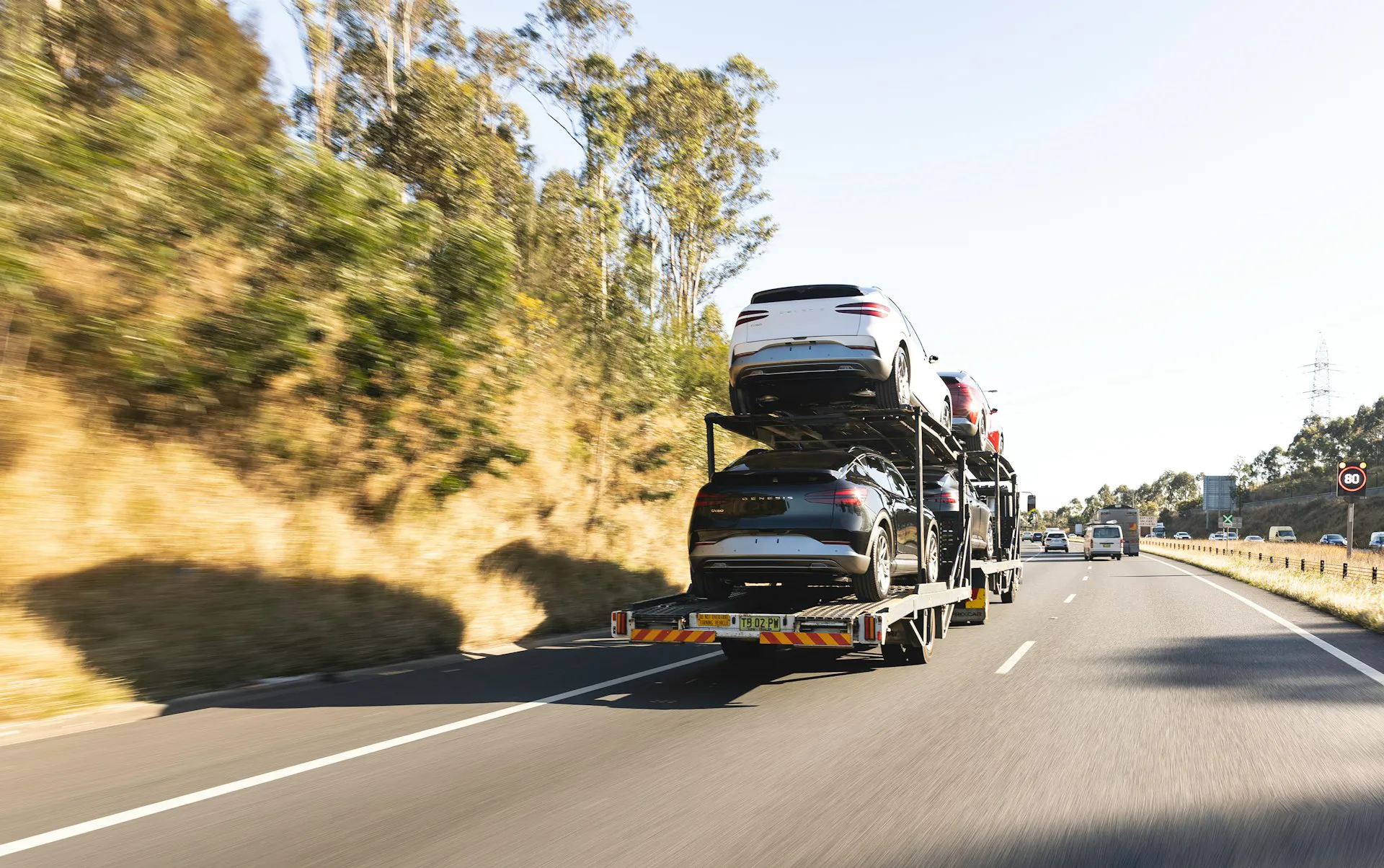
Whether you are transporting an extra vehicle, a boat, or bulky gear, investing in reliable transport equipment makes the whole journey safer and less stressful. For those researching their options, browsing quality car trailers for sale is a practical starting point to understand what build standards and features you should be looking for before you buy.
Look for trailers with solid welding, appropriate load ratings, proper lighting connections, and good axle systems. The right trailer for Australian roads is one built to handle both sealed and unsealed surfaces without constant maintenance stops.
The Pre-Departure Checks Most People Skip
Your Mechanical Basics
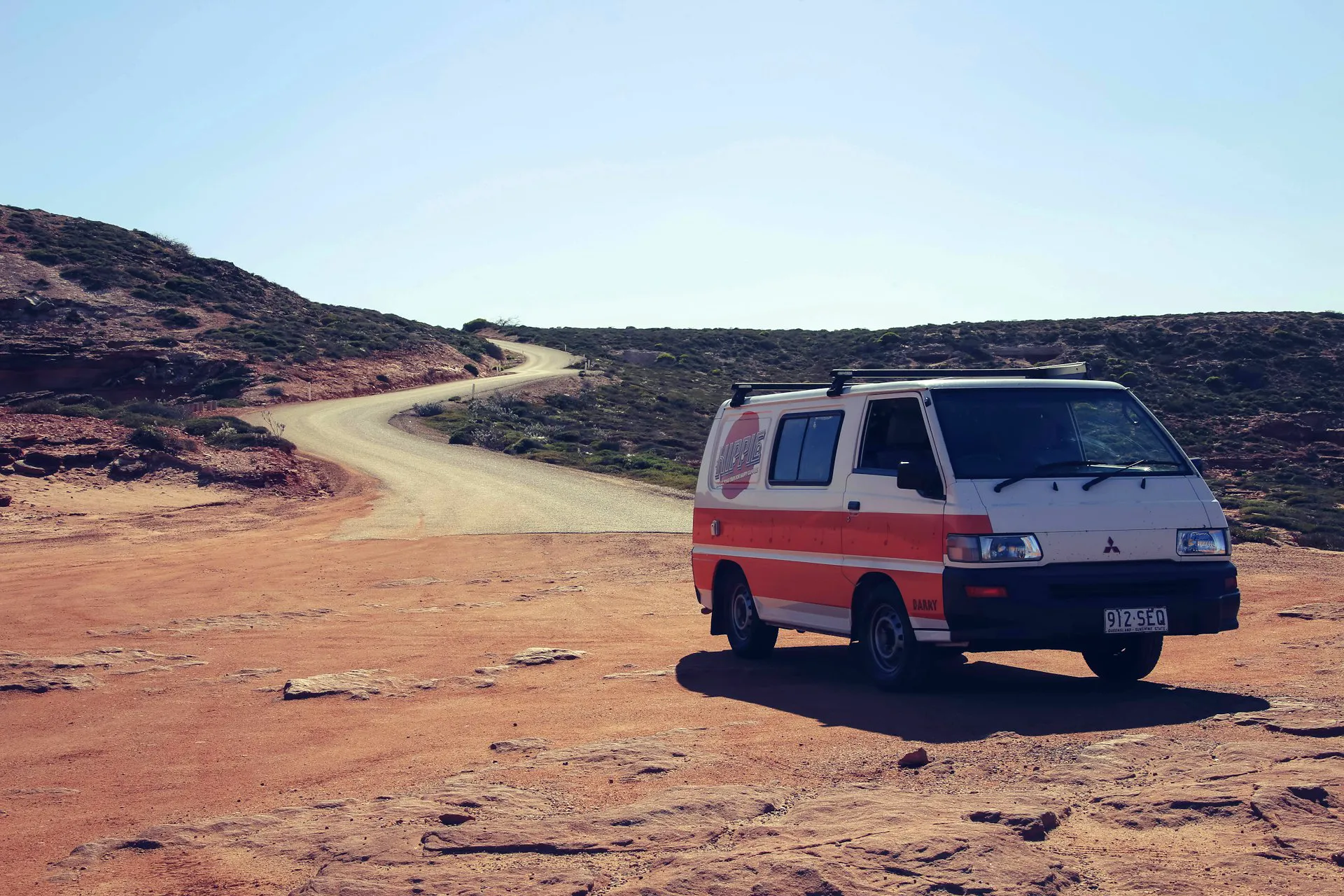
This is the section most people skim over and then regret later. Before any long haul, go through the fundamentals: tyre pressure and tread depth, engine oil, coolant levels, brake fluid, battery condition, and your spare tyre. These are not complicated checks but they are the ones that will leave you stranded on the side of the Stuart Highway if you skip them.
Book a service if your vehicle is due or close to due. Tell your mechanic where you are going. A good mechanic will flag things that might be fine around town but become a problem in remote areas. If you are still building your pre-departure checklist, these road trip tips cover the broader planning side of things and are worth going through before you finalise your preparation.
Electrical and Safety Equipment
Check all your lights, including indicators, brake lights, and reverse lights. If you are towing, make sure the trailer plug and wiring are in good condition. A trailer with a faulty brake light is a legal issue and a safety one.
Pack a basic emergency kit: jumper cables, a tyre repair kit, a tow rope, a first aid kit, and a torch. For remote travel, a satellite communicator is worth every cent.
Fuel and Water Planning for Remote Stretches
Know the distances between fuel stops along your route and carry extra if needed. The same goes for water. In remote areas, you should carry enough drinking water for several days as a minimum. This is not being overly cautious; it is just being sensible.
Traveling With Working Dogs and Pets Across Long Distances
Why Secure Pet Transport Is a Safety Issue, Not Just a Comfort One
A lot of Australians travel with dogs, whether they are working dogs heading to the property or family pets along for the adventure. But how you transport them is not just a comfort issue; it is a safety and legal one.
In most Australian states, dogs must be secured when travelling in or on a vehicle. An unsecured dog on the back of a ute is not just at risk of injury; it is also a potential hazard for other road users. Beyond the legal side, long hours in heat, wind, and dust can cause genuine distress to an animal that is not properly set up for the journey.
Choosing the Right Setup for Your Animal and Your Ute
If you are travelling with a dog on the back of your ute, the setup matters more than most people realise. You need proper ventilation, weather protection, secure latching, and enough space for the dog to sit and move comfortably.
A well-built dog cage canopy is one of the most practical solutions for ute owners. It provides enclosed protection from the elements, good airflow, and secure containment without taking up the entire tray. Look for options built from aluminium, which handles Australian heat well and is easy to clean after a dusty trip.
Load Management and What to Bring
Distributing Weight the Right Way
How you load your vehicle and trailer affects everything from fuel consumption to handling. Keep heavier items low and centred. Avoid packing everything to one side. A poorly balanced load makes your vehicle harder to control, especially in crosswinds or on rough surfaces.
What Experienced Long-Haul Travellers Always Bring
Recovery gear such as a snatch strap and shackles for off-road sections, a portable air compressor for tyre pressure adjustments, offline maps or a GPS unit, and more food and water than you think you will need. The goal is to be self-sufficient, not to rely on help being nearby.
Conclusion
Preparing your vehicle for a long haul in Australia does not need to be overwhelming. It comes down to knowing your vehicle’s limits, investing in equipment that is actually built for the job, taking care of the people and animals travelling with you, and being honest about what the road ahead will demand. Get those things right, and the trip takes care of itself.
FAQs
What is the most important vehicle check before a long Australian road trip? Tyres and engine fluids are the two most critical areas. Check tyre pressure, tread depth, and your spare before anything else. Then confirm your oil, coolant, and brake fluid are at proper levels.
Do you need a special licence to tow a trailer in Australia? It depends on the trailer’s weight and your state. In most cases, a standard car licence covers light trailers, but heavier setups may require a light rigid licence. Always check your state’s transport authority guidelines before you travel.
Is it legal to transport a dog on the back of a ute in Australia? Yes, but only if the dog is properly secured. Laws vary slightly between states, but generally, the dog must be restrained or contained in a way that prevents it from falling or jumping from the vehicle.
How far in advance should you prepare your vehicle for a remote trip? Ideally, two to three weeks before departure. This gives you time to book a service, source any parts or equipment you need, and address anything unexpected without the pressure of a departure date looming.