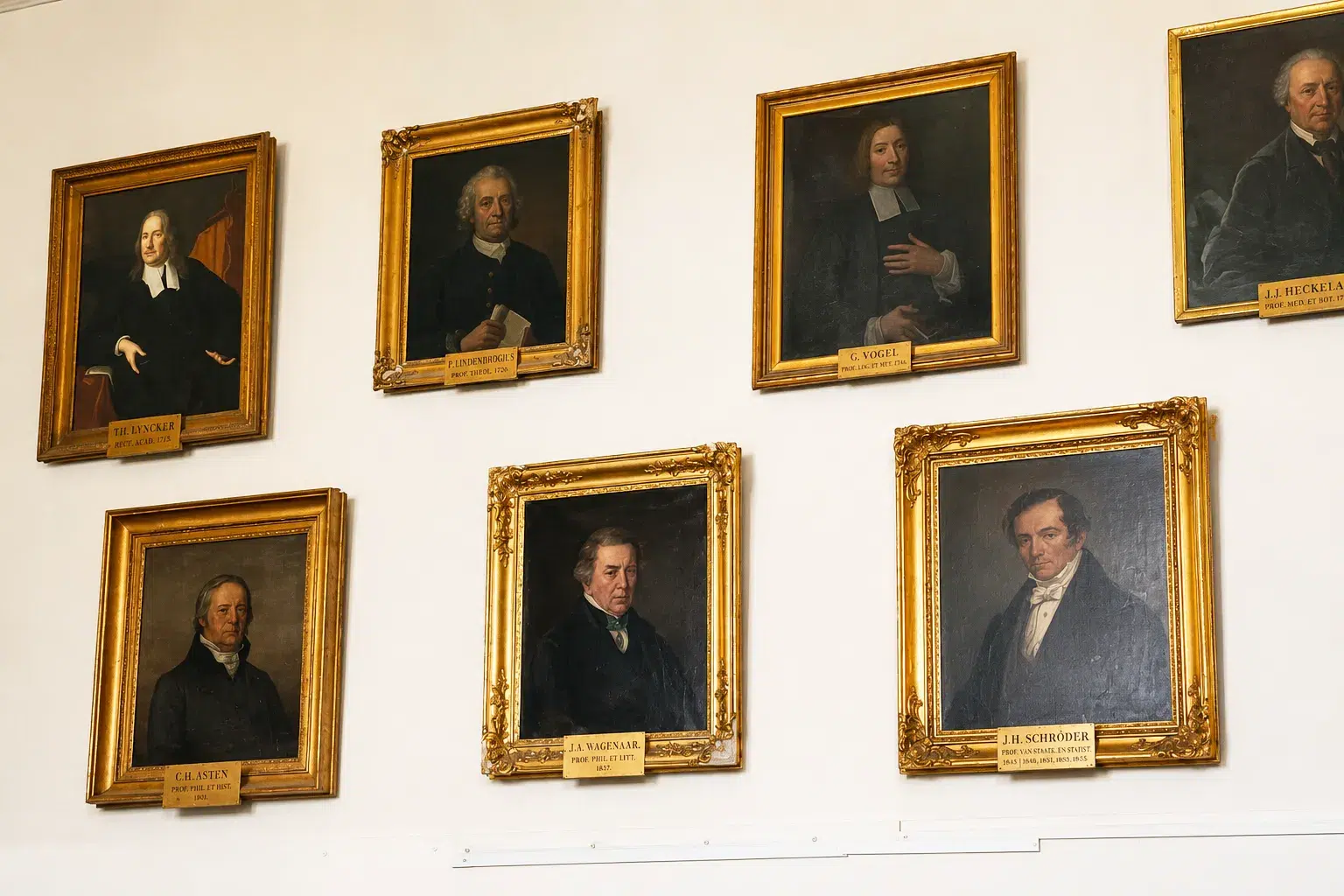
High-value art collections represent significant financial investments and deep personal passion. Protecting these pieces requires strict attention to environmental factors, handling techniques, and physical safety measures. Simple mistakes in climate control or packing materials can lead to permanent damage and loss of value.
Owners must understand the specific needs of different mediums to prevent deterioration over the years. This guide covers practical strategies for preserving paintings, paper prints, and sculptures. Implementing the right systems keeps your collection safe for generations.
https://unsplash.com/photos/portraits-on-wall-illuminated-by-golden-sunlight-Jl8qqf84g3A
Control Temperature and Humidity Levels
Climate stability is the most critical factor in preserving fine art over long periods. Frequent shifts in temperature cause materials to expand and contract, which leads to structural damage.
A recent article noted that a cool, dry, and stable environment prevents severe wear on delicate art pieces. Large fluctuations in moisture levels can warp wooden frames, stretch canvas fabrics, and cause paint layers to crack.
Aim to maintain a steady room temperature between 18 and 22 degrees Celsius. Relative humidity should stay within a range of 40 to 50 percent to prevent mold growth or extreme dryness. Digital hygrometers provide accurate, continuous readings of your storage room conditions.
Select the Best Storage Facility
Standard residential spaces often fail to meet the strict demands of fine art preservation. Homeowners frequently use spare rooms, attics, or crawlspaces for extra belongings, but these spots experience extreme weather shifts.
A publication highlighted that attics, basements, and garages have unpredictable climate levels that cause serious damage over time. Dedicated storage environments solve this issue by utilizing specialized commercial equipment.
Finding a secure facility for business storage allows collectors to keep their valuable items in a monitored, climate-managed setting. This type of space protects sensitive pieces from external weather patterns, pest infestations, and unauthorized access. Businesses and private collectors use these units to maintain asset quality while freeing up space in primary properties.
Handle Artwork with Proper Care
Human touch is a common source of accidental damage during the moving and storage process. Bare hands transfer microscopic oils, sweat, and dirt directly onto the surfaces of paintings and frames.
Expert guidelines explain that skin oils cause deep stains that might only appear months or years after handling. These blemishes become permanent fixtures that are incredibly difficult for restorers to clean safely.
- Always wear clean cotton or nitrile gloves before touching any piece of art.
- Lift frames from the sturdiest parts of the structure rather than the top wire.
- Remove jewelry, watches, and belt buckles that could scratch canvas or paper surfaces during transport.
Avoid Dangerous Packaging Materials
Many standard packing supplies introduce chemical risks or moisture traps to sensitive art mediums. Bubble wrap and plastic sheeting are excellent for padding furniture, but they create major hazards for paintings.
Industry experts warn that wrapping art in plastic stops air circulation and traps harmful condensation inside the bundle. Trapped moisture breeds mold, mildew, and rot that destroy organic fibers.
Wrap your pieces in archival-grade, acid-free glassine paper before adding outer padding layers. This material allows the artwork to breathe while protecting the surface from dust and friction scratches. Use sturdy cardboard corner protectors to prevent frame chipping during transit.
Use Breathable Soft Wraps
For short-distance transport, soft cotton sheets offer a safe alternative to synthetic plastics. Heavy blankets provide impact protection without trapping heat or moisture against the paint layer.
Choose Specialized Art Crates
Long-term international shipping requires custom wooden crates lined with dense, shock-absorbing foam. These boxes shield the art from physical vibrations and sudden external climate changes during travel.
Protect Fragile Works on Paper
Artworks created on paper sheets require distinct preservation methods due to their extreme vulnerability. Watercolors, sketches, and historical documents react quickly to light exposure, moisture, and heat.
An online guide emphasized that paper works are highly fragile and require UV-protective glass to shield against light damage. Direct exposure to sunlight bleaches pigments and turns white paper brittle and yellow.
Always use acid-free matting boards when framing paper art to prevent chemical burning. Standard wood-pulp boards release acidic vapors that ruin paper fibers over several decades. Hang these framed items away from direct sunlight, bright spotlights, and exterior windows.
Store Paintings Upright
The physical orientation of stored artwork plays a major role in preventing structural sag and tears. Stacking paintings flat on top of one another places immense pressure on the bottom canvases and frames.
A framing manual recommends storing paintings upright with padded dividers between individual pieces to prevent contact. This method keeps the weight on the frame corners rather than the canvas center.
Build or purchase vertical storage racks lined with soft felt or carpet remnants. Ensure the floor of the storage area is elevated to protect the bottom edges from potential floor moisture. Leave small gaps between the frames to allow air to flow freely through the rack.
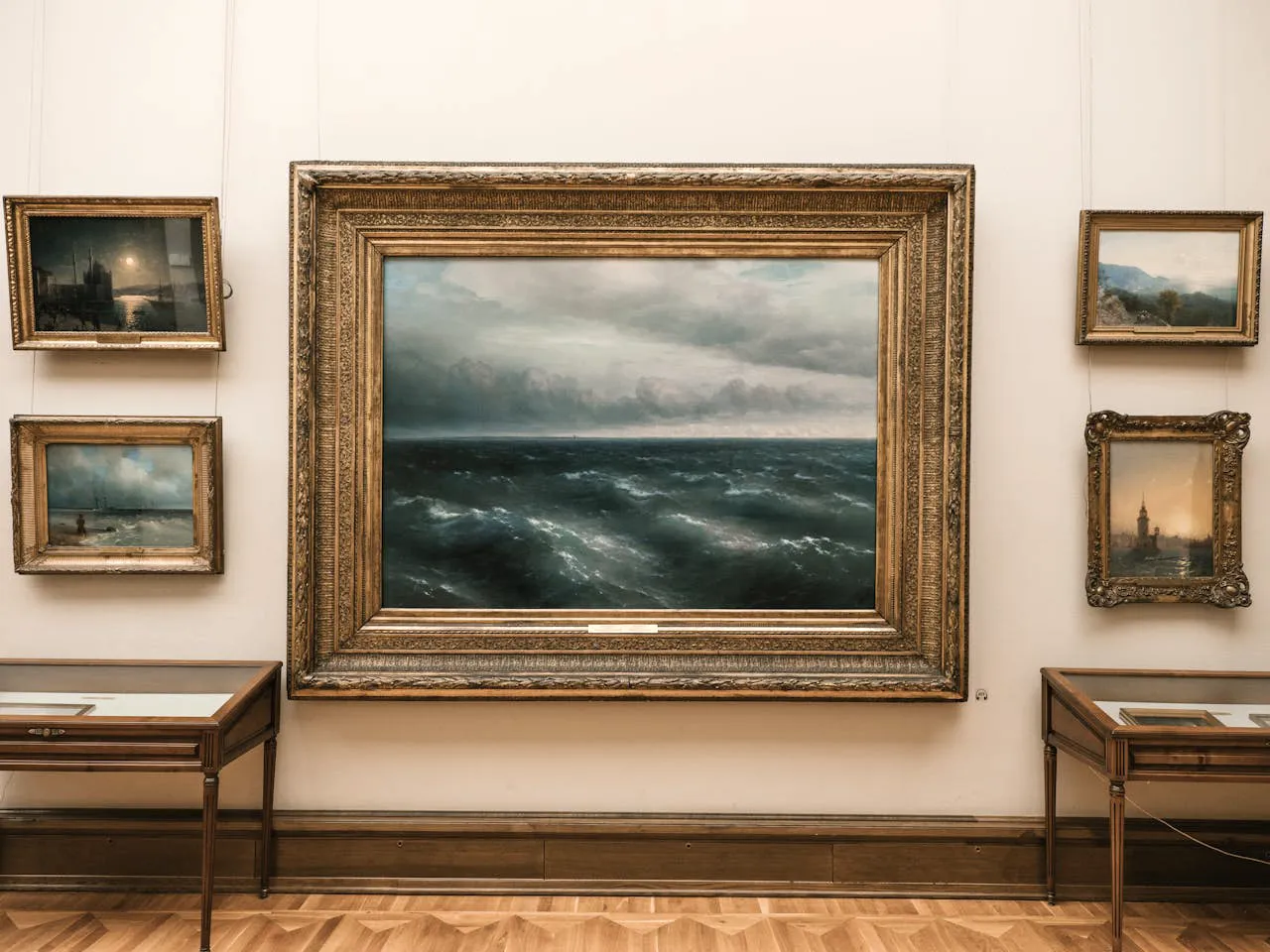
Proper art preservation combines high-quality storage spaces, correct handling habits, and constant environmental tracking. Investing time into choosing the right wrapping materials and vertical racks prevents costly restoration fees later.
Shielding your collection from sunlight, moisture shifts, and bare hands maintains the financial and aesthetic worth of each creation. Taking these steps offers peace of mind that your valuable assets remain pristine for the future.