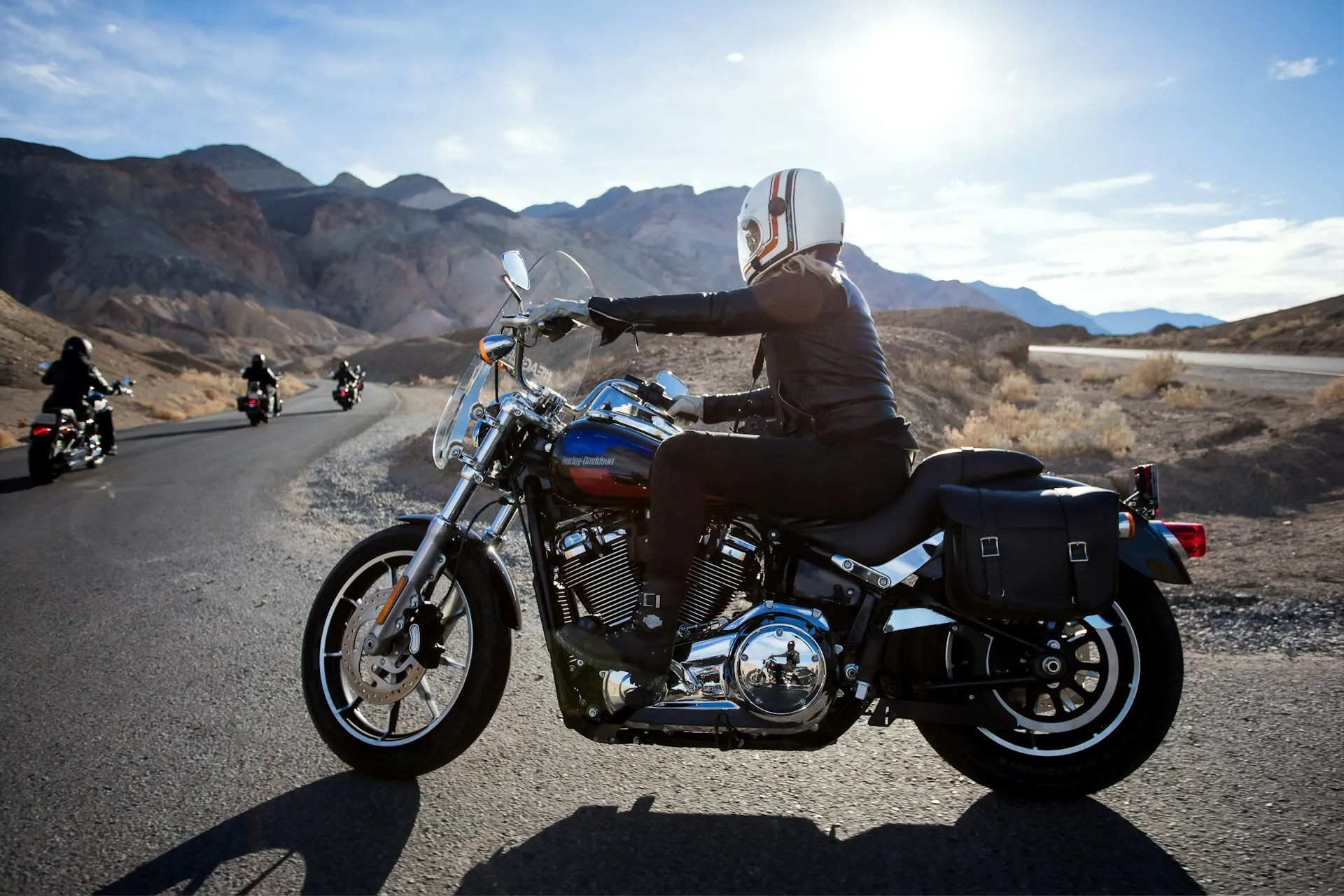
Riding for hours is a dream for many bikers. Long trips offer a sense of freedom that daily commutes lack. You need to prepare properly to enjoy the ride without pain. Long journeys test your endurance and your machine.
Planning for comfort makes the difference between a great story and a painful memory. Staying relaxed keeps your mind focused on the road ahead. Proper preparation allows you to see more of the country without feeling worn out.
Choosing The Right Gear For Long Rides
Proper clothing makes a massive difference during 8-hour stretches on the road. A well-fitted helmet reduces wind noise and prevents neck strain. Padded gloves protect your hands from vibrations that cause numbness. High-quality items are a smart investment for any serious traveler.
Riding jackets should have ventilation to keep you cool. Boots provide support for your ankles and feet during stops. Wear layers to adjust to changing temperatures throughout the day. This approach helps you stay comfortable from sunrise until the sun goes down.
Heavy leather provides great protection but can be hot in the summer. Textile gear often offers more flexibility for long-distance touring. Look for items with CE-rated armor in the elbows and shoulders. Good gear protects you from the elements and the pavement.
Planning Breaks And Staying Alert
Regular stops are mandatory for maintaining your mental focus. Fatigue sets in faster than most riders realize on open highways. Pulling over for 15 minutes every 2 hours keeps your mind sharp. Taking time to rest is just as significant as the time spent riding.
Safety remains the top priority when you are miles away from home. Finding good motorcycle accident lawyers is a smart move before you head out on a cross-country tour. Preparation helps you stay calm if an unexpected incident occurs on the highway. Having a plan for every scenario gives you peace of mind.
Use your rest stops to walk around and get your heart rate up. Physical activity helps wake up your nervous system after sitting still. Grab a healthy snack like nuts or fruit to keep your energy levels stable. Staying healthy on the road starts with what you put in your body.
Ergonomics And Body Positioning
Sitting in one spot for too long can lead to stiff joints. Adjusting your posture every 20 minutes keeps your blood flowing. Keep your back straight and your grip light to prevent fatigue. Small movements make a big impact on your comfort level.
Foot pegs and handlebars might need minor adjustments for your height. Small changes can alleviate pressure on your lower back. Relaxed shoulders help you stay focused on the path ahead. Most bikes allow for some level of customization to fit your body.
Gripping the tank with your knees takes weight off your wrists. This technique allows you to steer with more precision and less effort. Your hands should rest lightly on the bars like you are holding eggs. Proper form reduces the risk of long-term injury.
Managing Weather And Hydration
Dehydration is a silent enemy for long-distance riders. Drinking water at every stop prevents headaches and muscle cramps. Avoid sugary drinks that lead to energy crashes later in the afternoon. Keeping a bottle nearby is a simple way to stay on track.
Rain can soak through gear and cause a drop in body temperature. Waterproof suits are worth the investment for touring. Staying dry helps you maintain control of your bike in slippery conditions. Wet clothes can make a rider lose focus very quickly.
- Carry a hydration pack for easy sipping.
- Wear moisture-wicking base layers.
- Check the forecast every morning before starting.
- Use lip balm to prevent windburn.
Heat exhaustion is a serious risk when riding in the desert or mid-summer. Cooling vests can keep your core temperature down for several hours. Soak your base layer in water to use evaporation as a natural air conditioner. Staying cool allows you to ride longer without feeling drained.
Upgrading Your Bike For Comfort
Stock seats are rarely designed for 500-mile days. Adding a gel pad or an aftermarket seat can save your backside. These upgrades distribute your weight more evenly across the saddle. You will notice the difference within the first 50 miles.
Windshields block the constant blast of air against your chest. Cruise control or throttle locks allow your right hand to rest on flat stretches. Small modifications turn a standard bike into a touring machine.
Heated grips are a luxury that becomes a requirement in cold rain. Keeping your fingers warm helps you operate the brakes and clutch. These systems are easy to install on most modern motorcycles. Warm hands lead to better control in difficult conditions.
Staying Safe On Public Roads
Sharing the road with larger vehicles requires constant vigilance. Many riders prefer traveling during the week when traffic is lighter. A safety study found that crashes were significantly more common on weekend days, with more than half (55 percent) occurring Friday through Sunday.
Visibility is key when you are navigating unfamiliar routes. Reflective gear makes you stand out to drivers in low-light conditions. Keep a safe following distance to give yourself time to react to hazards. Anticipating the moves of others keeps you out of trouble.
- Use your turn signals early.
- Avoid riding in blind spots.
- Tap your brakes to alert drivers behind you.
- Scan the horizon for road debris.
Road conditions can change rapidly as you cross state lines. Look out for tar snakes and gravel in construction zones. Maintaining a steady speed helps you navigate these obstacles with confidence. Pay attention to signs that warn of upcoming changes.
Packing Light For Efficiency
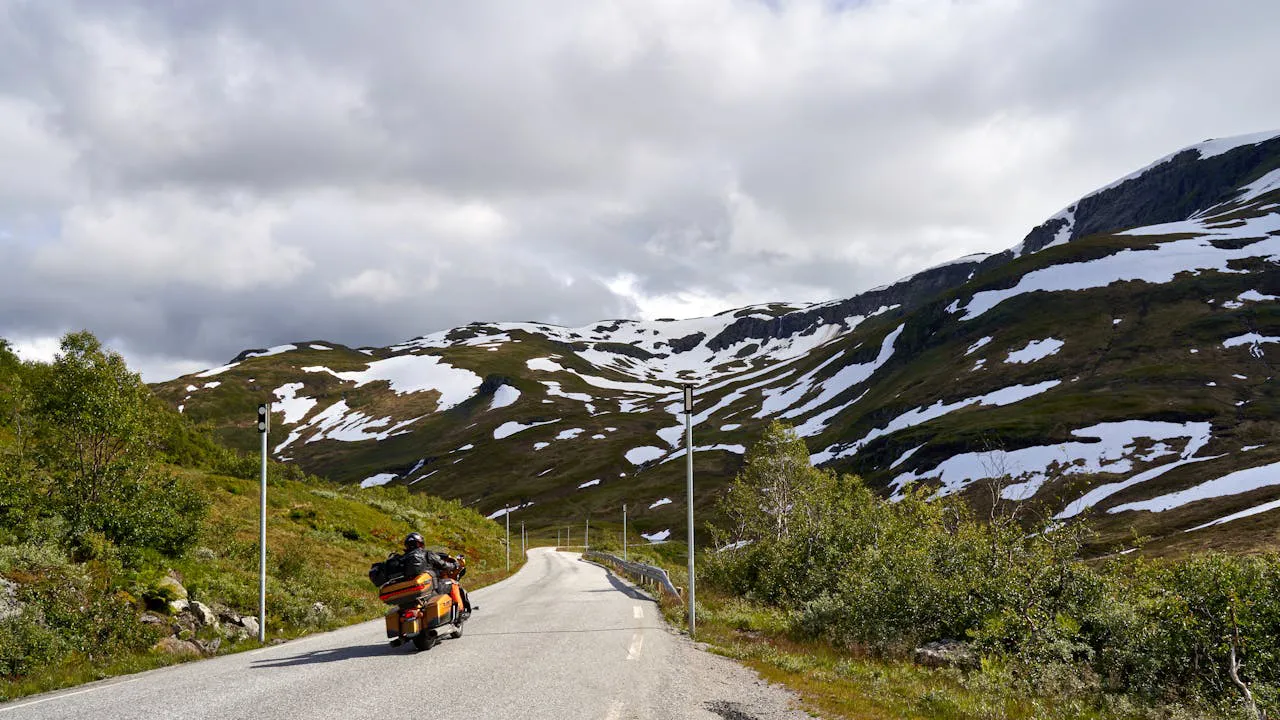
Overloading your motorcycle changes how it handles in corners. Balance the weight of your luggage to keep the center of gravity low. Hard panniers offer security and weather protection for your belongings. A balanced bike is easier to manage at slow speeds.
Bringing only the basics makes packing and unpacking much faster. Some states use specific funding to help riders stay safe. One program mentioned that a Section 405(f) motorcycle safety grant addresses vulnerable road users and traffic records.
Heavy bags can strain the suspension on older bikes. Check your tire pressure frequently when carrying extra weight. Proper load management helps your ride remain smooth and predictable. Do not exceed the weight limit specified by the manufacturer.
Tool kits should be compact but include the basics. Knowing how to fix a flat tire can save your trip from an early end. Carry a small flashlight and extra fuses just in case of electrical issues. A few simple tools can get you back on the road.
Riding is about the experiences you gather along the way. With the right prep, you can explore the world from your seat. Safe travels are the result of good habits and smart choices.