
I spent about three weeks researching this before I bought anything. Forums. YouTube rabbit holes. Reddit threads where people argued about CO2 versus fiber. Etsy seller groups where people posted their setups and revenue screenshots.
Here’s the honest version of what I came away with.
A laser engraving business can absolutely make money. It can also eat your savings and your weekends if you go in without a realistic picture of what’s involved. The gap between “I bought a laser” and “I’m running a profitable business” is mostly about three things: product selection, pricing, and workflow.
Let me break down what actually matters.
The Machine Question: Start Here Before Anything Else
Most people ask “which machine should I buy?” before they figure out what they’re selling. That’s backwards.
What you sell determines what machine you need.
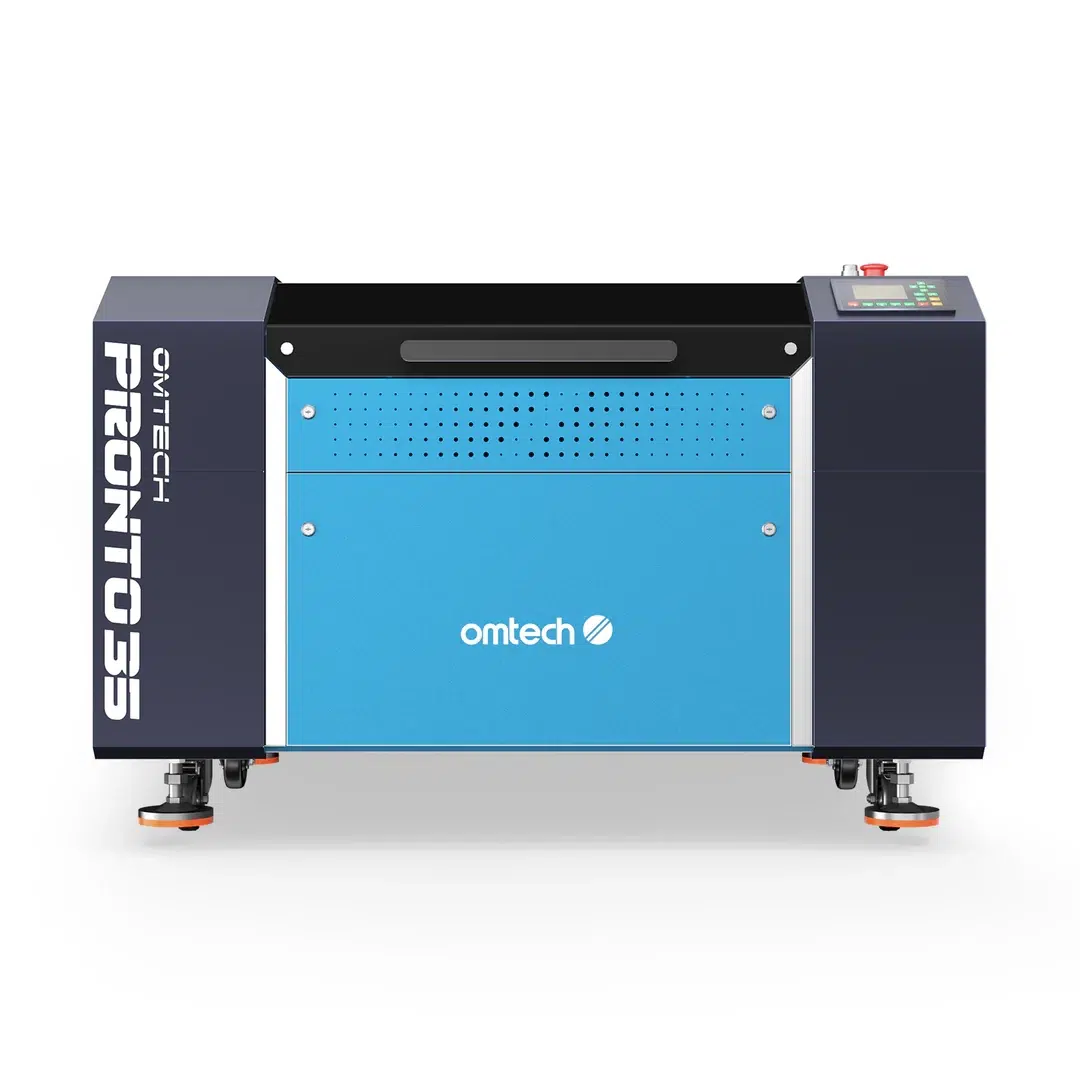
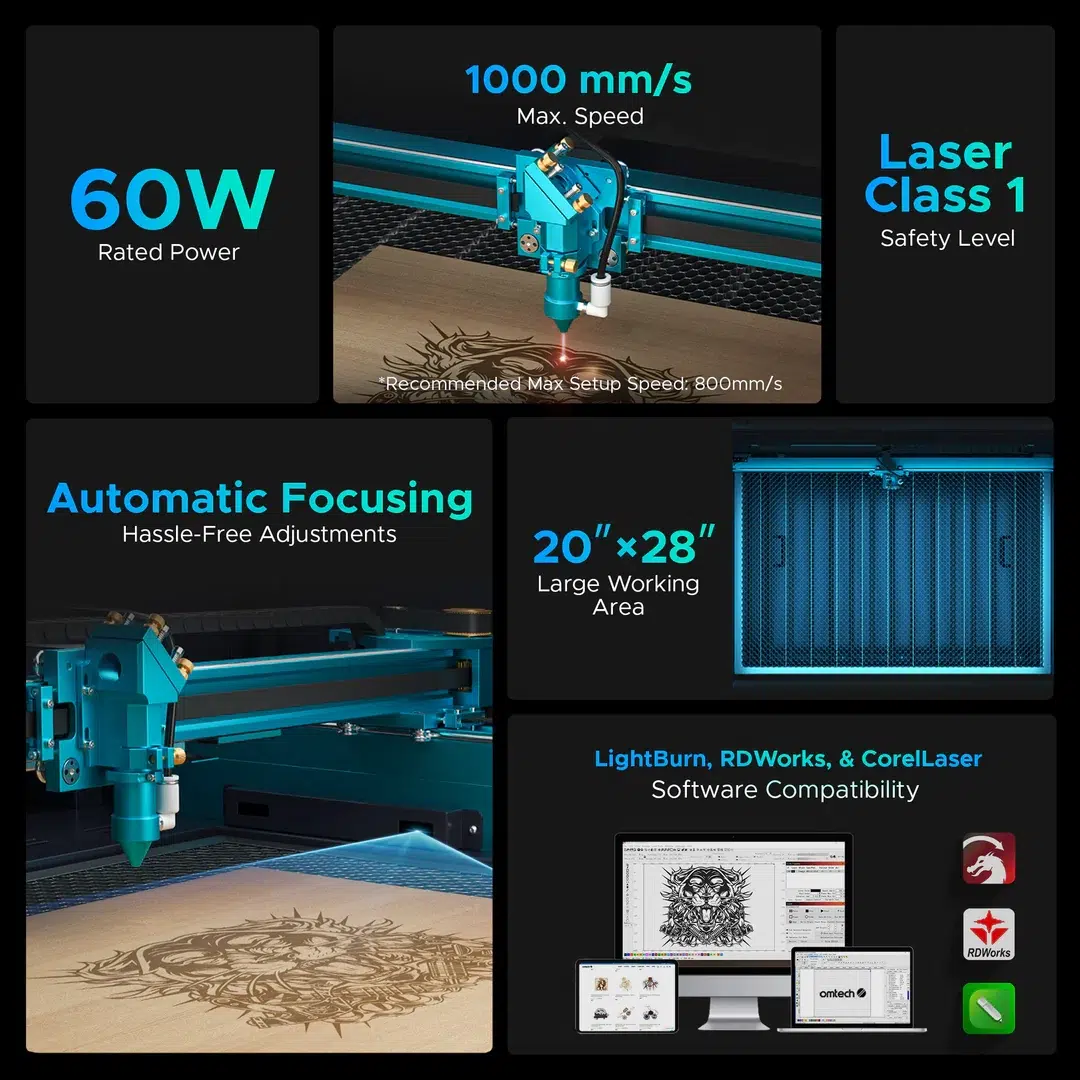
Wood signs, cutting boards, personalized gifts, acrylic items, leather goods: CO2 laser. The Pronto 35 60W CO2 Laser Cutter and Engraver is a solid starting machine for this kind of work. Autofocus built in. Fits in a garage. Handles plywood, MDF, and acrylic without complaint.
Metal: fiber laser. Custom knife blades. Stainless steel tumblers. Aluminum tags and plaques. These need a fiber machine because CO2 doesn’t mark bare metal well.
Both: there are dual-source machines. More expensive. Makes sense if your product line genuinely needs both.
Don’t buy a machine and then figure out what to sell. Decide on your products first. Then match the machine to the materials.
Laser Engraving Business Startup Cost: What You’re Actually Spending
This is where a lot of new business owners undershoot their budget.
The machine is the big line item. But it’s not the only one.
Ventilation. You need real exhaust. Wood smoke and acrylic fumes are unpleasant at best and a health problem over time. A ducted exhaust system costs money. Budget for it before the machine arrives.
Software. LightBurn runs CO2 and many fiber machines. It’s not free, but it’s not expensive. You need it.
Materials for testing. You’ll waste material learning your settings. Sheet of plywood here, a few acrylic pieces there. Budget fifty to a hundred dollars just for test cuts before you take any real orders.
Blanks to sell. If you’re doing custom tumblers, cutting boards, or slate coasters, you need inventory to engrave. That’s an ongoing cost, not a one-time purchase.
Packaging. Stuff has to ship somehow. Boxes, tissue, bubble wrap. Small amounts, but it adds up.
Realistically, a starter laser engraving business from home, including machine, ventilation, software, and initial materials, runs somewhere between $3,000 and $6,000 to set up properly. You can go cheaper on the machine side. You’ll often regret it when you outgrow it in three months.
Laser Engraving Etsy Business: What Sells and What Sits
I talked to several people actually running Etsy shops with lasers. The consensus on what moves:
Wedding stuff. Personalized signs, welcome boards, table numbers, and seating charts. Wedding clients spend money. Orders come in batches. One wedding can be 20 to 40 pieces.
Pet items. Custom pet tags, pet memorial ornaments, and personalized dog bowls. Emotional purchase. Price tolerance is higher than people expect.
Baby and family gifts. Personalized name signs, family established plaques, and custom Christmas ornaments. Consistent seller year-round, spikes heavily in Q4.
Business signage. Small acrylic office signs, personalized desk items, and custom logo plaques for local businesses. These clients repeat.
What tends to sit: very generic designs with no customization, ultra-competitive categories where hundreds of shops sell the same thing at low prices. You win on Etsy with customization. If your product is the same as fifty other shops, you’re competing on price, and that’s a race nobody wants to win.
Laser Engraving Business Profit: The Numbers People Don’t Post
Revenue screenshots are everywhere. Profit conversations are rarer.
Here’s a practical look at margins on common products.
A personalized wood cutting board: materials might run $8 to $12, depending on source and size. Laser time may be ten minutes. Packaging another $2. Etsy fees add up to around 10% of the sale price. If you sell it for $45, your actual margin after everything is somewhere around $20 to $25.
That’s not bad per piece. The question is volume. Twenty of those per week is $400 to $500 net. Fifty per week starts to feel like a real income. But fifty cutting boards per week is also a lot of machine time, material prep, and shipping.
Custom acrylic signs have higher margins because the material cost is low and the perceived value is high. A restaurant pays $80 for an acrylic menu board that costs you $6 in materials. That’s where the real profit is in laser engraving, finding products where customers don’t know the material cost and care about the result.
Running a Laser Engraving Business From Home
This is where most people start. Garage or spare room. One machine. Shipping from the house.
It works. Plenty of people run five-figure monthly businesses from their garage.
A few things that matter:
Noise. CO2 machines aren’t loud, but the exhaust fan is. Neighbors will notice if you run at 11 pm. Plan your production hours.
Smell. Even with good exhaust, burning wood and acrylic have odors. Running the machine near your living space with poor ventilation is unpleasant and fast. A garage with the door cracked is a common setup for good reason.
Space. The machine needs a dedicated table. You need storage for materials. You need a packing station. It adds up faster than people plan for.
Insurance. A laser is a piece of manufacturing equipment. A homeowner’s policy likely won’t cover a business claim if something goes wrong. Look into a business rider or a separate policy.
The AF2028 60W CO2 Laser Engraving and Cutting Machine is a common choice for home-based shops. Enclosed cabinet. 20 x 28 inch work area. Handles the material mix a gift and sign business typically needs.
What Actually Decides If the Business Survives
This part sounds obvious, but it’s where most people get stuck.
The machine doesn’t make the business. The product does. And the product positioning.
Two shops with identical machines can have completely different outcomes because one found a niche and built a recognizable look, and the other is trying to sell to everyone with generic designs.
The businesses that last usually do one of these things well: serve a specific customer type (wedding clients, pet owners, local businesses), develop a recognizable visual style that stands out in search, or build repeat clients who come back for every special occasion.
According to Wikipedia’s overview of laser engraving, laser engraving permanently modifies the surface of a material through controlled laser energy, creating marks that are durable and resistant to wear. That permanence is part of why customers are willing to pay more than for a printed or stickered product. The durability is real and worth communicating.
Browse OMTech’s full CO2 laser machines collection to compare machines by work area and power for a home-based business setup.
FAQs
Is a laser engraving business profitable?
It can be. Margins per piece are decent on custom personalized items. Volume is what drives real income. Most home shops become meaningfully profitable in the first year if they find a product niche and stick with it.
How do you price laser engraving jobs?
Material cost plus your time at a reasonable hourly rate, plus packaging and platform fees, then add a margin. Most Etsy sellers undercharge early. Test higher prices. Often, the conversion rate barely changes.
What is the most profitable product to laser engrave?
Custom acrylic signs and personalized gift items tend to have the best margins. The material cost is low, the perceived value is high, and customers pay a premium for personalization.
What are the startup costs for a laser engraving business?
Realistically, $3,000 to $6,000 for a proper setup, including machine, exhaust ventilation, software, and initial materials. Cutting corners on ventilation or buying an underpowered machine to save money often means spending more to fix it later.
Is laser engraving hard to learn?
The machine operation itself isn’t complicated. LightBurn software has a reasonable learning curve. The harder part is learning material settings through testing and getting good at file prep and nesting pieces efficiently to reduce waste.


