

Luxury has traditionally been defined by craftsmanship, rarity, and aesthetic refinement. Increasingly, however, it is also being shaped by responsibility, by the quiet decisions made within the home that reflect a broader awareness of environmental impact. Among the most overlooked of these decisions are the daily rituals of laundry and dishwashing.
These tasks rarely feature in conversations about climate change or plastic pollution. They are repetitive, often automatic, woven into the rhythm of domestic life. Yet precisely because they occur several times a week in most households, even small inefficiencies can accumulate into a meaningful environmental footprint over time.
Recent research suggests that this impact extends beyond visible packaging waste. Studies examining domestic dishwashers have found that microplastics can be released during normal wash cycles, with detergents increasing emissions from machine components by roughly 35–54%. The food containers placed inside did not contribute additional particles, but the findings underscore how ordinary appliance use can become an unexpected source of plastic pollution. Laundry has long been recognised for microfiber shedding; dishwashing is only now receiving similar scrutiny.
Packaging remains another significant factor. Traditional liquid detergents for both clothes and dishes are commonly sold in large plastic bottles. Even when technically recyclable, many containers never complete the recycling process due to contamination, infrastructure limitations, or sorting challenges. A considerable portion ultimately ends up in landfills.
Transport adds further complexity. Liquid detergents are predominantly water, which makes them heavier to ship. Moving water-based products across long supply chains increases fuel use compared with more concentrated formats. When multiplied across millions of households, the added weight contributes to higher emissions.
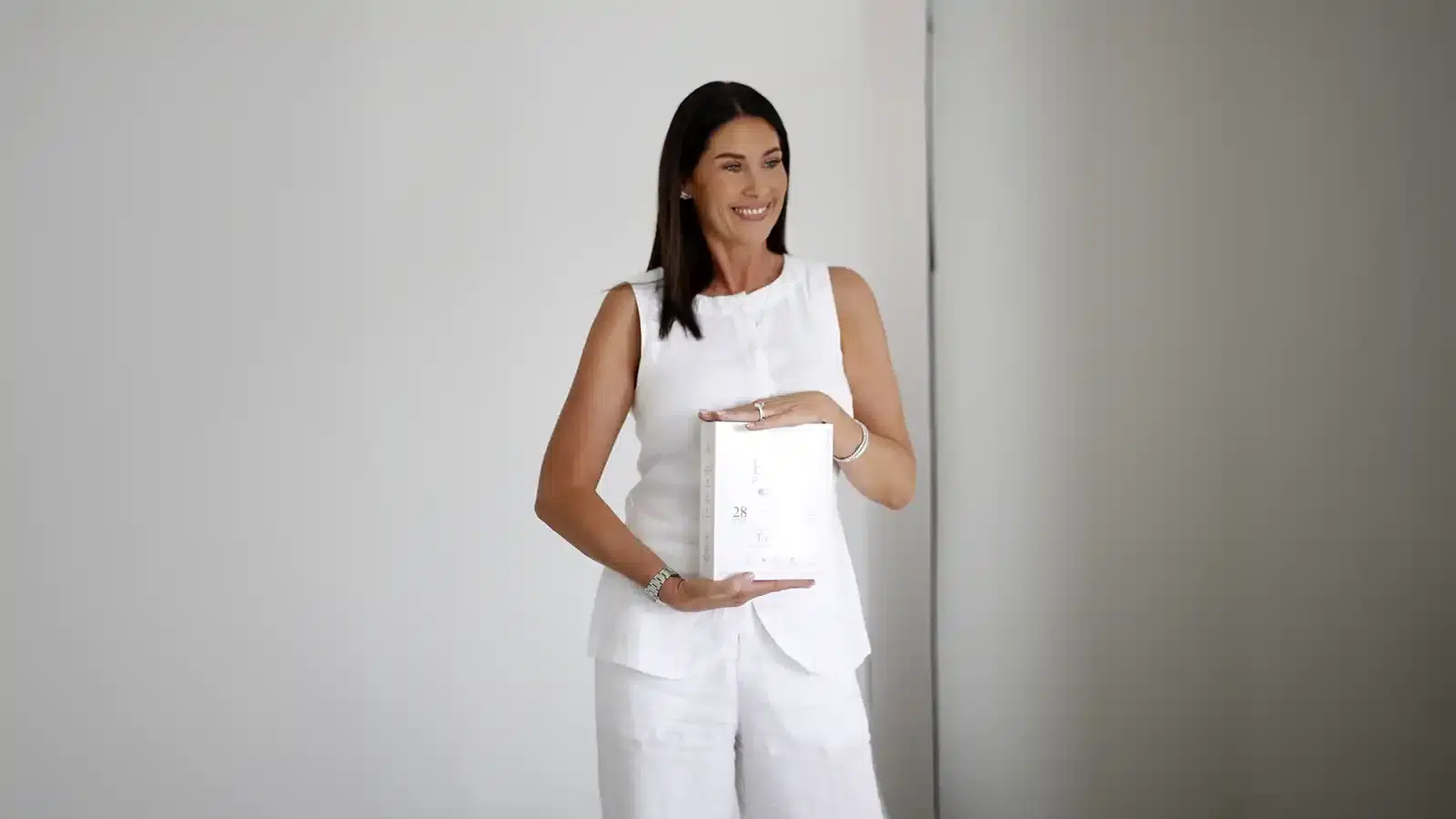
It is within this context that more concentrated formats, including sheets and pods, have gained traction. By removing excess water, these formats reduce packaging size and shipping weight while offering controlled portions. As Kate Hardy, founder and CEO of Home & Laundry, notes, frequent-use products are easy to underestimate; because they are purchased and discarded regularly, their cumulative impact often goes unnoticed. Modest reductions in packaging and dosage, repeated consistently, can add up over time.
Hardy’s work has focused on examining how routine purchases contribute to plastic waste and overconsumption. Through Home & Laundry, she has explored concentrated laundry and dishwashing formats designed with biodegradable, lower-impact ingredients and reduced plastic packaging, positioning them as alternatives that can integrate into everyday routines without requiring significant lifestyle change. In this sense, sustainability becomes less about disruption and more about refinement.
Format alone, however, does not determine sustainability. Environmental impact depends on ingredient sourcing, manufacturing processes, packaging materials, and real-world usage. Products labelled “eco-friendly” may still carry hidden costs if production is resource-intensive or disposal pathways are unclear. Discernment remains essential.
Usage habits often matter more than product type. One of the most overlooked factors is dosage. Many households use more detergent than necessary, despite evidence that excess soap does not improve cleaning performance. Overuse can leave residue, increase chemical discharge into wastewater, and accelerate product consumption. In many cases, reducing detergent use by around 25% remains sufficient for effective cleaning while lowering the volume of chemicals entering water systems. Pre-measured formats can help support this precision.
Energy and water consumption are also closely linked to everyday washing habits. Running cold or eco cycles when appropriate can significantly reduce electricity demand, as heating water accounts for a substantial share of appliance energy use. Waiting for full loads improves efficiency, while overloading can compromise performance and increase wear. In kitchens, scraping food instead of pre-rinsing dishes conserves water without affecting results in modern dishwashers.
Practical Ways to Refine Everyday Rituals
- Wash in cold water when possible to reduce energy use.
- Run full loads to maximise efficiency.
- Skip unnecessary pre-rinsing; modern dishwashers are designed to handle food residue.
- Air-dry when feasible to lower electricity consumption.
- Choose biodegradable detergents and dishwashing formulas when available.
- Opt for recyclable, refillable, or compostable packaging where possible.
- Maintain appliances by cleaning filters and seals regularly to preserve efficiency.
None of these adjustments requires dramatic lifestyle shifts. They simply involve greater attention to habits already embedded in daily life. Because laundry and dishwashing are performed hundreds of times each year, small, repeated refinements can gradually reduce plastic waste, conserve energy, and lower water use.
In the evolving language of luxury living, refinement is no longer confined to what is visible. It extends to the systems behind the scenes, to the choices that quietly shape a home’s footprint. Sustainable rituals, approached thoughtfully, become part of a broader expression of modern elegance: one that values both comfort and consequence.


