

An active life and chronic pain rarely sit well together. For people who travel often, train hard, and fill their days, persistent pain is more than a nuisance. It quietly shrinks the life they have worked to build.
Active adults no longer have to choose between relief and weeks of downtime. Specialist clinics offering pain management services in Closter and beyond now use treatments that target pain precisely. Here is what modern pain care actually looks like.
Why Should Active People Not Push Through Pain?
Because pushing through almost always makes it worse. Ignoring persistent pain lets a small, treatable problem settle into a stubborn, chronic one.
The body also compensates in unhelpful ways. Favoring a sore knee or back shifts strain elsewhere, which is how one ache quietly becomes two or three over a season of denial.
Early attention changes the outcome. Conditions like joint pain respond far better when treated before the damage becomes entrenched in the habits around it. The longer pain runs unchecked, the harder it is to fully reverse.
So toughing it out is rarely the strong choice. For anyone who values an active life, treating pain early is what protects the years of movement still ahead. A short pause to get assessed now beats a long, forced break later.
Which Modern Treatments Actually Help?
A growing toolkit that goes far beyond pills and rest. Today’s pain specialists tailor the approach to the exact source of the problem. The common options include:
- Targeted injections. Anti-inflammatory shots are placed precisely at the source.
- Nerve blocks. Interrupting the specific nerves carrying the pain signal.
- Radiofrequency ablation. Using heat to quiet an overactive nerve for months.
- Physical therapy. Rebuilding strength and movement around the injury.
- Regenerative options. Treatments that support the body’s own repair.
Each works best for a particular kind of pain, which is why diagnosis matters as much as treatment. A good specialist matches the method to the cause rather than guessing.
Drug-free approaches matter too. Techniques such as the non-drug therapies used for back pain show how mindset and movement can complement the physical treatments. The best plans usually combine several methods.
How Do Minimally Invasive Options Reduce Downtime?
By treating the problem without the long recovery of open surgery. Most modern pain procedures are done in an outpatient setting and take less than an hour.
Precision is the key. Image guidance lets a specialist place a needle or probe exactly where it is needed, sparing the surrounding tissue and slashing recovery time. Many patients walk out the same day.
That speed suits a busy life. Where surgery once meant weeks away from work and travel, a minimally invasive procedure can mean a day or two of rest. Pairing it with sensible low-impact sports helps protect the result without overloading the healing area.
So downtime is no longer the deterrent it once was. For people who cannot simply stop their lives, that shift makes seeking treatment far easier to justify. A frequent traveler can often fit a procedure between trips and be back to normal within days.
What Does a Modern Pain Visit Involve?
A thorough look at the cause, not just a quick prescription. The first visit sets the direction for everything that follows. A few numbers set expectations:
- Most consultations last about 45 to 60 minutes.
- Many procedures take under 1 hour to perform.
- Recovery can be as short as 1 to 2 days.
- Relief from some treatments lasts 6 months or more.
- Expect a plan combining 2 or more approaches.
Those figures show how much has changed. The table below frames a typical modern visit.
| Stage | What to Expect |
| Assessment | A full history and movement examination |
| Imaging | Scans to pinpoint the pain’s source |
| Diagnosis | A clear explanation of the cause |
| Plan | A tailored mix of treatments |
| Follow-up | Adjustments as your recovery progresses |
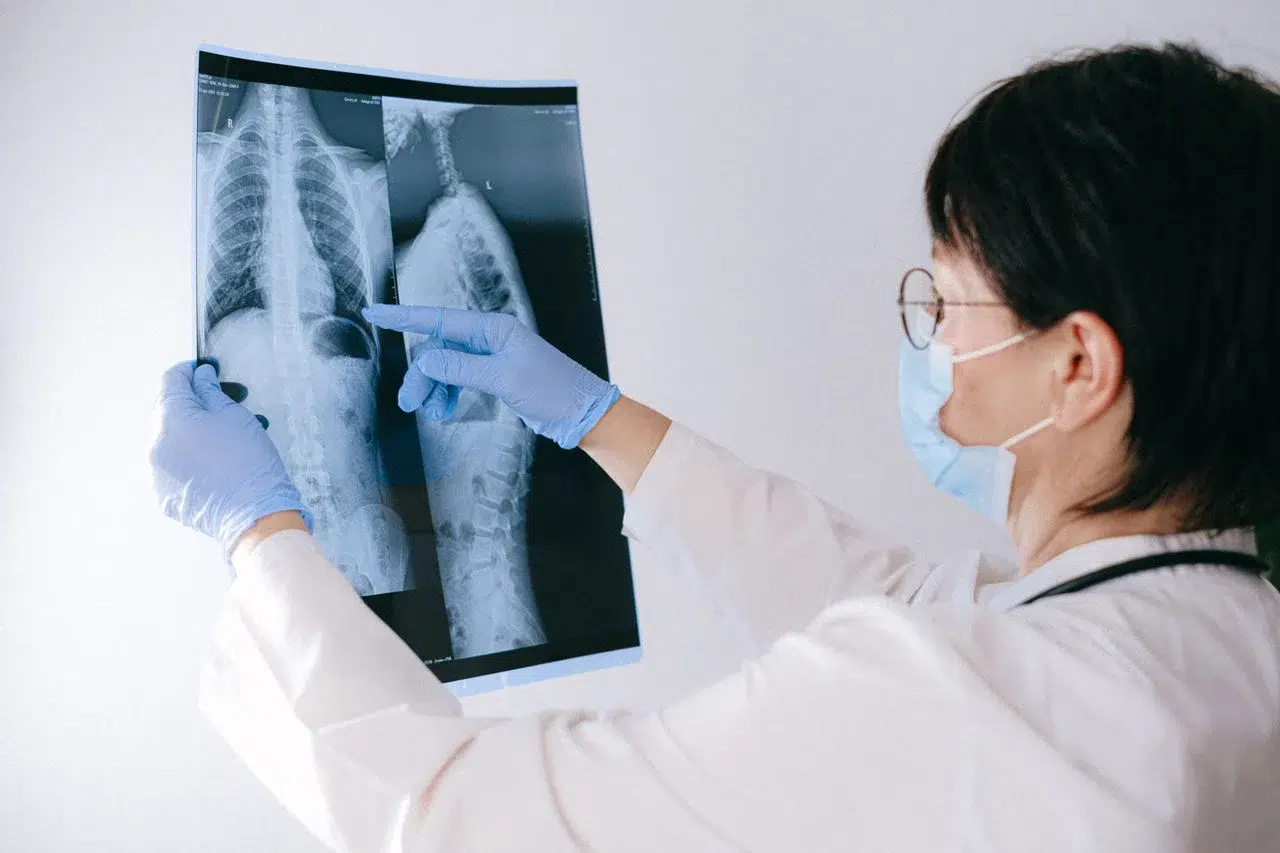
Each stage builds toward a targeted plan. The same care for the body that drives innovations like modern orthopedic innovations now shapes how everyday pain is treated.
Before You Book a Consultation
- Persistent pain rarely improves by ignoring it.
- Modern treatment goes well beyond pills and rest.
- Minimally invasive options mean little to no downtime.
- A good visit starts with a precise diagnosis.
- The best results often combine several approaches.
Getting Back to the Life You Love
Chronic pain does not have to be the price of a full, active life. Modern pain management is precise, minimally invasive, and built around getting you back to what you enjoy quickly. Seek help early, ask about the full range of options, and choose a specialist who diagnoses before treating. Do that, and pain becomes a problem to solve rather than a limit to live within.
Frequently Asked Questions
When Should I See a Pain Management Specialist?
Consider it when pain lasts more than a few weeks, returns repeatedly, or starts limiting your daily activities. You do not need to wait until it is unbearable. Early assessment often means simpler, more effective treatment and a far better chance of a full return to movement.
Are Pain Treatments Always About Medication?
Not at all. Modern pain care leans heavily on targeted procedures, physical therapy, and drug-free techniques. Medication may play a role, but it is rarely the whole answer. A good specialist aims to treat the underlying cause, not just mask the symptom with pills.
How Long Is Recovery After a Minimally Invasive Procedure?
Often just a day or two, which is one of the biggest advantages. Because these procedures avoid large incisions, most people return to light activity quickly. Your specialist will give specific guidance, but the downtime is typically far shorter than with traditional surgery.
Can Active Adults Avoid Surgery for Chronic Pain?
In many cases, yes. A large share of chronic pain responds well to injections, nerve treatments, and rehabilitation, avoiding surgery altogether. Surgery becomes a last resort rather than a first step. The earlier you seek care, the more non-surgical options usually remain available to you. Many active adults manage for years on these less invasive approaches alone.


