Introduction: Power Resilience in the Canadian Context
Canada experiences a range of weather conditions that can disrupt electrical supply, including winter storms, ice accumulation, and seasonal grid demand. These conditions affect not only homes but also warehouses, logistics centers, and light industrial operations. For professionals responsible for maintaining operations, access to reliable backup power is essential.
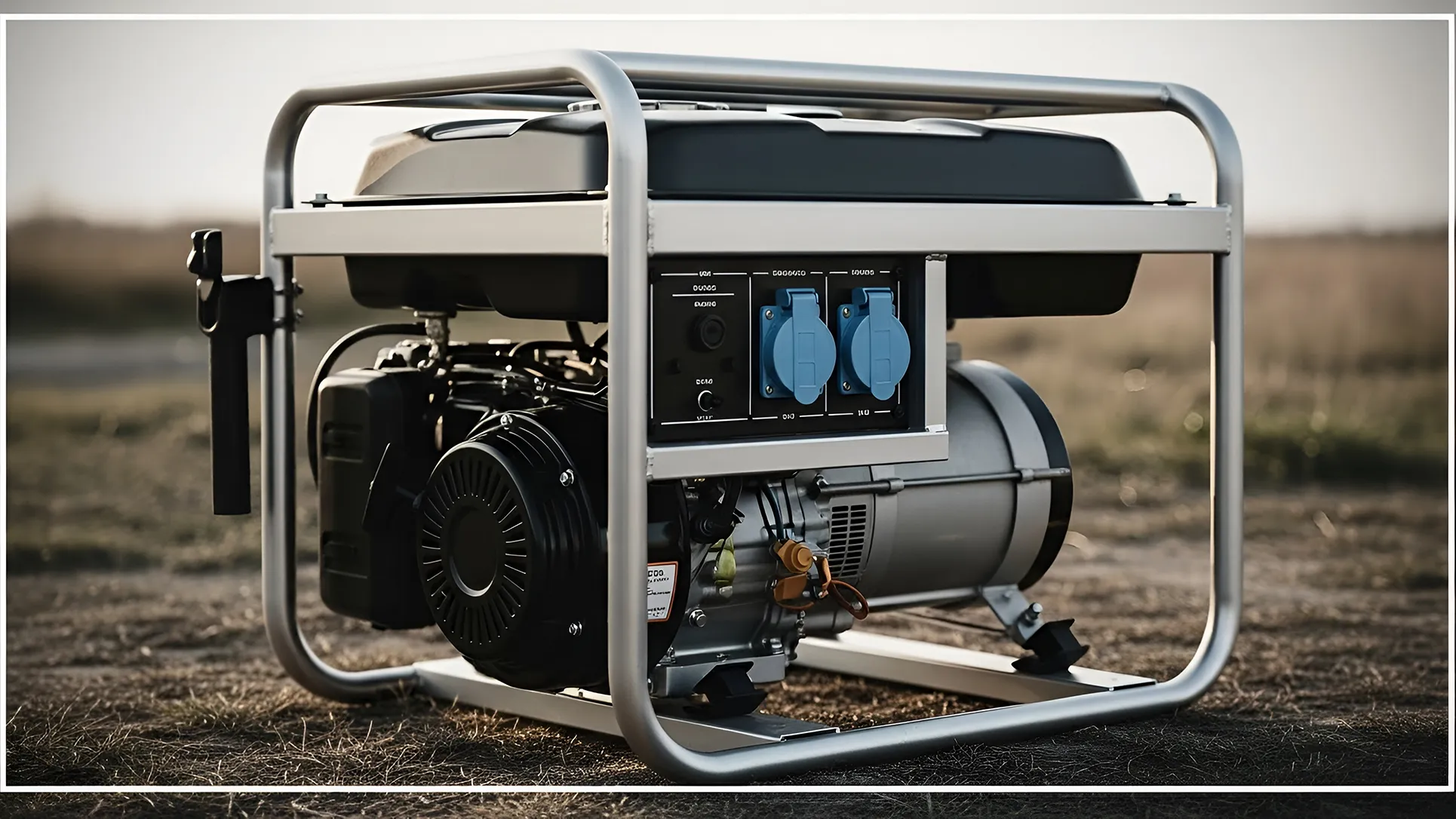
A ten-point-five-kilowatt backup power portable inverter generator designed for home use can also support small-scale industrial and logistics needs. Its portability and fuel flexibility allow it to be integrated into emergency preparedness plans across different environments.
Technical Overview and Use Cases
Basic Working Principle
An inverter generator produces electrical power by converting mechanical energy into alternating current, then transforming it into direct current, and finally back into stable alternating current. This process results in a consistent power output suitable for sensitive equipment.
Typical Use Cases
Common applications include:
- Backup power for residential systems and small facilities
- Support for communication and monitoring equipment
- Temporary power for maintenance operations
- Emergency use in warehouse offices and control rooms
Efficiency, Safety, and Productivity Considerations
Power interruptions can interrupt workflows and compromise safety systems. Inverter generators provide stable electricity that supports both operational continuity and protection of sensitive devices.
Efficiency benefits include:
- Optimized fuel consumption through load adjustment
- Reduced risk of damage to electronic equipment
- Lower operational disruption during outages
Maintaining lighting, communication, and control systems also improves safety during emergency conditions.
Technical Requirements and Capability Considerations
When evaluating a portable inverter generator, several technical aspects must be considered:
- Power output capacity in relation to connected loads
- Fuel options such as gasoline, liquefied petroleum gas, and natural gas
- Availability of multiple outlet types for different applications
- Starting method and control interface
Tri-fuel capability allows flexibility in fuel selection, which can be important during supply disruptions. Operators must calculate load requirements to avoid overloading.
Factors Affecting Performance and Effectiveness
Generator performance depends on several factors:
- Fuel quality and availability
- Ambient temperature and environmental conditions
- Maintenance of engine and electronic components
- Load management and distribution
Cold climates can affect engine performance, while improper load distribution may reduce efficiency and reliability.
Safety Considerations and Best Practices
Safe operation is critical when using portable generators. Recommended practices include:
- Operating the generator in outdoor areas with proper ventilation
- Keeping the unit away from enclosed spaces to prevent exposure to exhaust gases
- Using proper grounding techniques
- Inspecting cables and connections before use
- Allowing the generator to cool before refueling
Training and clear procedures reduce the risk of accidents and equipment damage.
Equipment Types and Supporting Tools
Power backup systems often include a combination of equipment:
- Portable inverter generators for clean and stable power
- Conventional generators for higher load capacity
- Transfer switches for safe integration with electrical systems
- Extension cables and distribution units
Each component supports a complete and reliable power solution.
Advantages and Limitations
Advantages include:
- Stable power output suitable for sensitive devices
- Flexible fuel options for different situations
- Portability for use in various locations
Limitations include:
- Limited capacity compared to fixed industrial systems
- Dependence on fuel supply
- Need for regular maintenance and monitoring
Real World Application Example
A mixed use facility in Ontario implemented portable inverter generators as part of its contingency plan. During a winter power outage, the generators were used to support office operations and essential communication systems. This allowed coordination with suppliers and maintained operational awareness until full power was restored.
Conclusion and Future Industry Trends
TMG Industrial Portable inverter generators provide a reliable and flexible solution for maintaining power in both residential and industrial settings. Their ability to deliver stable electricity makes them suitable for a wide range of applications.
Future developments are expected to include improved fuel efficiency, quieter operation, and integration with renewable energy systems. As demand for resilient power solutions grows, inverter generators will continue to play a key role in emergency and backup power planning.