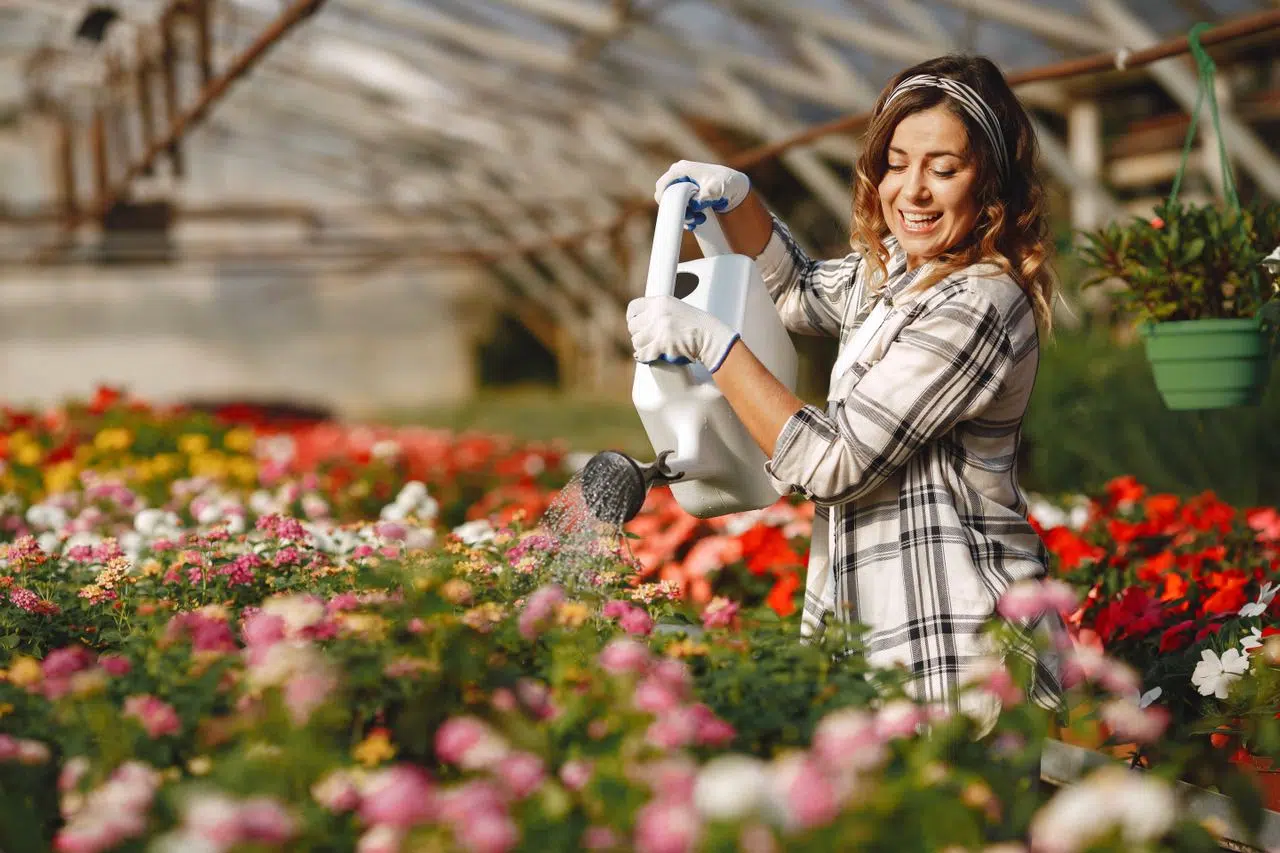
Maintaining a healthy garden requires more than regular attention to sunlight and soil quality. Plants also need the right amount of water delivered in a way that supports root development without damaging delicate leaves, flowers, or surrounding soil. For homeowners, this can become challenging when a garden includes raised beds, hanging baskets, thick foliage, and plants growing in hard-to-reach corners.
Outdoor watering habits also affect water consumption, particularly during hot summer months when rainfall becomes less predictable. Using suitable equipment and understanding the moisture needs of different plants can make everyday garden maintenance more efficient. Whether someone grows colorful flowers, maintains a vegetable patch, or cares for a lawn surrounded by ornamental plants, a thoughtful watering routine can improve plant health and reduce unnecessary waste. The key is to combine practical tools with consistent observation, allowing each part of the garden to receive the attention it needs throughout the growing season.
1. Select the Right Watering Equipment for Different Plants
Every garden contains plants with different watering requirements. Young seedlings need a gentle flow that will not disturb their roots, while established shrubs may require water to penetrate deeper into the soil. Choosing appropriate equipment helps gardeners manage these differences without making routine care unnecessarily complicated.
A garden hose nozzle is useful because it allows users to adjust the water stream for different situations. Gentle shower settings work well for delicate flowers, leafy vegetables, and recently planted seedlings. Stronger settings may be useful for certain cleaning tasks, but excessive pressure should be avoided around fragile plants and loose soil.
For flower beds, hanging baskets, and plants positioned behind other growth, an extended watering tool can improve access. When researching the best watering wand, gardeners should consider handle length, spray adjustment, grip comfort, and ease of operation. These features can make it easier to direct water toward the soil instead of spraying entire plants indiscriminately.
The right equipment should also suit the size and layout of the garden. A compact patio may need only a basic hose and adjustable nozzle, while a larger landscape may benefit from additional reach and more versatile watering options.
2. Water Flower Beds Carefully to Support Healthy Growth
Flower beds often combine annual flowers, perennial plants, ornamental grasses, and small shrubs. Although these plants may share the same space, their water requirements can vary according to root depth, soil type, growth stage, and exposure to sunlight.
One useful practice is to direct water toward the base of each plant. Moistening the root zone helps plants access the water they need while limiting unnecessary wetting of leaves and petals. It also reduces the risk of splashing soil onto flowers and lower foliage.
Garden hose wands can be especially helpful when plants grow close together. Their extended reach allows gardeners to water beneath leaves and between stems without stepping into the bed or crushing nearby flowers. A gentle spray is generally preferable for delicate plants, while established plants may tolerate a slightly stronger flow when the soil can absorb it.
Mulching provides another way to maintain suitable moisture levels. Organic materials such as shredded bark or composted leaves help slow evaporation and moderate soil temperatures. However, mulch should not be piled directly against plant stems. Combined with appropriate watering, this simple practice can support healthier roots and reduce the need for frequent irrigation during dry weather.
3. Keep Hanging Baskets and Container Gardens Hydrated
Container gardening is popular because it allows homeowners to grow flowers, herbs, and compact vegetables in small spaces. However, pots and hanging baskets often dry out faster than garden beds because they contain a limited amount of growing medium. Containers exposed to direct sunlight, high temperatures, or strong winds may lose moisture particularly quickly.
Checking soil moisture regularly is more reliable than watering according to a rigid schedule. Press a finger into the growing medium to assess whether it remains damp below the surface. Smaller pots can also be lifted to estimate their moisture levels because dry containers generally feel lighter than recently watered ones.
Watering elevated baskets can be difficult when they hang above patios or along porch railings. An extended watering wand helps reach these plants without requiring a ladder or removing the basket from its support. Apply water gently and evenly until excess moisture drains from the bottom.
Drainage is equally important. Containers should have suitable drainage holes to prevent water from accumulating around the roots. If the growing medium remains saturated for long periods, roots may receive insufficient oxygen and become more vulnerable to damage. Regular checks help gardeners maintain a useful balance between moisture and drainage.
4. Reduce Water Waste With Better Irrigation Practices
Efficient watering begins with understanding how water moves through the soil. Sandy soils generally drain quickly, while clay-rich soils retain moisture longer and may absorb water more slowly. Applying the same quantity of water to every garden bed can therefore produce inconsistent results.
Early morning is often a practical time to water outdoor plants because temperatures and wind speeds may be lower. These conditions can reduce evaporation and allow more water to reach the root zone. Gardeners should also consider local watering restrictions and seasonal rainfall when planning irrigation.
Instead of allowing a hose to run continuously, use an adjustable garden hose nozzle to control the flow. Direct the water toward planted areas and avoid spraying sidewalks, driveways, or other surfaces where it cannot benefit the garden. For compacted soil, applying water in shorter intervals may improve absorption and reduce runoff.
Inspect hose fittings and connections regularly for leaks. Damaged washers, loose connectors, and worn equipment can waste water without being immediately noticeable. A rain gauge can help measure natural precipitation, while periodic soil checks show whether additional watering is necessary. These small adjustments make outdoor watering more deliberate and environmentally responsible.
5. Adapt Watering Routines to Seasonal Conditions
A successful watering routine should change as the weather and garden develop. During spring, cooler temperatures and regular rainfall may reduce the need for additional irrigation. In summer, higher temperatures and longer periods of sunshine can increase moisture loss, especially in containers and exposed flower beds.
Newly planted flowers and shrubs generally require closer monitoring while their roots become established. Mature plants with deeper root systems may tolerate longer intervals between watering, depending on their species and local conditions. Gardeners should research individual plant requirements rather than assuming that every variety needs the same amount of moisture.
Lawn care also benefits from a consistent approach. Watering deeply when needed can encourage grass roots to grow farther into the soil, helping lawns withstand short dry periods. Frequent, shallow watering may encourage shallower roots in some conditions. However, the appropriate schedule depends on grass variety, soil composition, climate, and local restrictions.
Keep an eye on signs of stress, including persistent wilting, dry soil, and changes in leaf color. Wilting does not always indicate a lack of water, so check the soil before increasing irrigation. Overwatering can cause root problems that resemble drought stress. Observing these details helps gardeners make better decisions as growing conditions change.
Conclusion
Healthy gardens depend on more than frequent watering. Plants benefit from an approach that considers soil conditions, root development, seasonal weather, and the characteristics of different outdoor spaces. Selecting appropriate watering equipment, adjusting spray patterns, and directing moisture toward the roots can make everyday maintenance easier while helping prevent unnecessary water waste.
Flower beds, hanging baskets, container plants, and lawns each present different challenges. By checking soil moisture, improving drainage, using mulch where appropriate, and adapting irrigation to changing conditions, homeowners can support healthier growth throughout the year. Regular equipment inspections also help ensure that hoses, nozzles, and watering wands remain practical and dependable.
As responsible water use becomes increasingly important, thoughtful irrigation will continue to play a valuable role in home gardening. Combining suitable tools with informed watering habits gives gardeners a practical way to maintain attractive outdoor spaces while supporting plant health and making better use of available water.