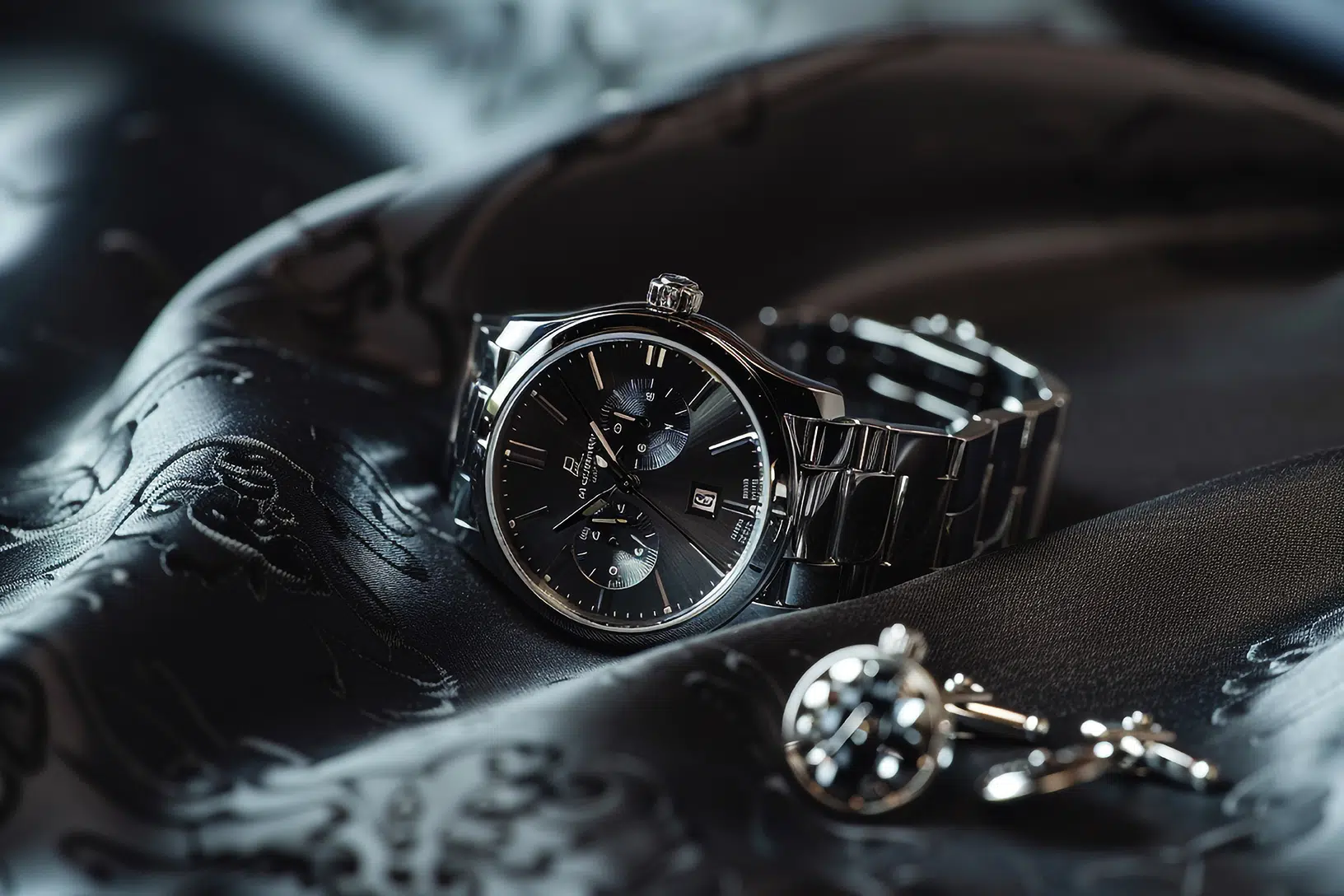
The global luxury watch market has changed dramatically over the last decade. As prices for authentic Swiss watches continue to rise, many enthusiasts have become curious about an alternative segment that operates largely outside the traditional retail system: the replica watch industry.
While low-quality replicas have existed for decades, the modern replica ecosystem—especially at the high-end—has evolved into something far more sophisticated. In 2026, discussions among collectors increasingly focus on movement architecture, case geometry accuracy, and the factories responsible for producing so-called “super clone” watches.
Understanding how this industry actually works requires separating myth from reality. The modern replica market is no longer defined solely by cheap imitations; it now contains a wide spectrum of quality levels, manufacturing methods, and engineering approaches.
This article explores how the high-end replica watch market functions today, how modern factories replicate complex mechanical watches, and why certain models—particularly Rolex sports watches—have become the technical benchmark for replica manufacturing.
The Evolution of the Replica Watch Market
Replica watches have existed for as long as luxury watches themselves. However, the structure of the market has shifted dramatically over the past fifteen years.
Earlier replicas typically relied on inexpensive quartz movements, basic case designs, and limited attention to detail. These watches were largely cosmetic imitations designed for casual buyers.
Today’s market is far more layered.
Three major forces have driven this evolution:
- rising retail prices of luxury watches
- The growth of enthusiast communities online
- Advances in CNC manufacturing and movement replication
These factors have pushed manufacturers to improve both mechanical accuracy and visual authenticity.
In many enthusiast forums, discussions now revolve around case dimensions measured to tenths of a millimeter, movement layouts designed to mirror genuine calibers, and production batches released by specialized factories.
This shift has transformed the industry from simple imitation into a niche mechanical engineering ecosystem.
Understanding the Quality Tiers of Replica Watches
Not all replica watches are built the same. The industry generally operates within three distinct quality tiers.
Entry-Level Replicas
Entry-level replicas are typically mass-produced watches designed primarily for visual resemblance.
They often use:
- generic automatic movements
- basic stainless steel cases
- simplified dial printing
While these watches may resemble genuine models from a distance, they usually lack accuracy in areas such as bezel construction, dial spacing, and bracelet finishing.
For serious watch enthusiasts, these models rarely hold long-term interest.
AAA Replica Watches
The second tier is often referred to as “AAA replicas.” These watches improve upon entry-level versions by incorporating better finishing and more reliable automatic movements.
Common characteristics include:
- improved case polishing
- sapphire crystals
- Japanese automatic movements
However, AAA replicas still rely heavily on standard movement platforms rather than movements designed to replicate specific Swiss calibers.
This is where the next tier—super clones—becomes particularly interesting.
Super Clone Watches
The term “super clone” has become widely used in watch enthusiast circles over the last decade. These watches aim to replicate both the external design and internal mechanical architecture of specific luxury watch models.
Super clones typically involve:
- cases manufactured to match genuine dimensions
- clone movements designed to replicate Swiss calibers
- higher-grade materials such as 904L stainless steel
Among collectors studying the engineering side of the replica industry, certain Rolex models have become reference points for what high-end replication can achieve. Detailed breakdowns of high-end super clone Rolex replicas often highlight how closely modern replicas attempt to match the proportions and internal layouts of their genuine counterparts.
These watches represent the technical ceiling of current replica manufacturing.
How Replica Watch Factories Actually Operate
A common misconception is that replica watches are produced by a single centralized manufacturer. In reality, the industry operates through a network of specialized factories.
Each factory often focuses on specific aspects of watch production, such as:
- case manufacturing
- movement modification
- dial production
- bracelet construction
This decentralized model allows factories to specialize in certain watch models or engineering approaches.
For example, some factories are known for producing highly accurate dive watches, while others focus on chronograph models that require more complex movement replication.
The competitive nature of this ecosystem drives constant improvement. Factories frequently release updated versions of watches with refined case shapes, improved movements, or corrected dial details.
Collectors often track these updates much like software version releases.
Movement Cloning: The Technical Core of Modern Replicas
One of the most important developments in the replica watch industry has been the evolution of clone movements.
Early replicas relied almost entirely on standard automatic movements such as ETA-style calibers or Japanese Miyota movements. These were reliable but did not replicate the internal layout of the watches they imitated.
Modern clone movements attempt to replicate the architecture of genuine calibers.
Examples include movements designed to mimic:
- Rolex Caliber 3135
- Rolex Caliber 3235
- Rolex Caliber 4130 chronograph
These clone movements attempt to reproduce key elements such as rotor placement, bridge layout, and gear train configuration.
Although they rarely match the longevity or finishing of genuine Swiss movements, they represent a major technical step forward compared to earlier replica generations.
Movement cloning has become the foundation of the high-end replica market.
Materials and Case Manufacturing
Beyond movements, case manufacturing has also improved significantly.
High-end replica factories increasingly use advanced CNC machining to replicate case geometry with much greater accuracy than older production methods allowed.
Modern replicas often feature:
- ceramic bezel inserts
- sapphire crystals with anti-reflective coatings
- laser-engraved case details
Some factories also produce cases using 904L stainless steel—the same alloy used by Rolex in many of its models.
While material quality can still vary, the improvement in machining precision has played a major role in closing the visual gap between replicas and genuine watches.
The Role of Online Watch Communities
Another major driver behind the evolution of the replica market is the growth of online watch communities.
Collectors frequently analyze watches in extreme detail, posting side-by-side comparisons, macro photography, and technical movement reviews.
These discussions create a feedback loop:
- enthusiasts identify flaws in replica models
- factories release updated versions addressing those flaws
- collectors document the improvements
Over time, this iterative process has led to increasingly refined replica watches.
The level of technical analysis found in many enthusiast communities today resembles the kind of detailed evaluation normally reserved for genuine luxury watch reviews.
Why Certain Rolex Models Dominate the Replica Market
While many luxury brands are replicated, Rolex watches occupy a unique position within the replica ecosystem.
Several factors contribute to this dominance:
- simple yet iconic case designs
- widespread global recognition
- strong demand among collectors
Sports models such as the Submariner, Daytona, and GMT-Master II have become benchmarks for replica manufacturers.
Their popularity means factories often invest significant resources into refining these models across multiple production versions.
Because of this focus, many enthusiasts treat Rolex replicas as the most advanced examples of modern replica manufacturing.
Studying the Engineering Side of Replica Watches
For many watch enthusiasts, the interest in replica watches goes beyond simple imitation.
Instead, it becomes an exploration of mechanical replication—how factories reverse-engineer complex watch designs and attempt to reproduce them with limited access to original manufacturing data.
This technical curiosity has led to a growing body of independent analysis and research into the replica watch ecosystem. Detailed breakdowns of case construction, movement cloning, and factory production methods can be found across specialist watch blogs and technical resources dedicated to modern replica watch engineering.
For collectors interested in the mechanical side of watchmaking, these discussions often reveal as much about manufacturing processes as they do about the watches themselves.
The Future of the High-End Replica Market
Looking ahead, the replica watch industry is likely to continue evolving alongside the luxury watch market.
Several trends are already shaping the future of this niche:
- continued development of clone movements
- improvements in CNC manufacturing precision
- increased transparency within enthusiast communities
As genuine luxury watches become more expensive and harder to obtain through authorized channels, interest in high-end replicas is unlikely to disappear.
Instead, the industry will probably continue refining its technical capabilities while remaining largely driven by collector curiosity and online discussion.
For anyone trying to understand how the modern replica watch market works, the key takeaway is simple: today’s replicas are no longer just superficial copies. In many cases, they represent an ongoing attempt—however imperfect—to replicate some of the most recognizable mechanical watches ever made.