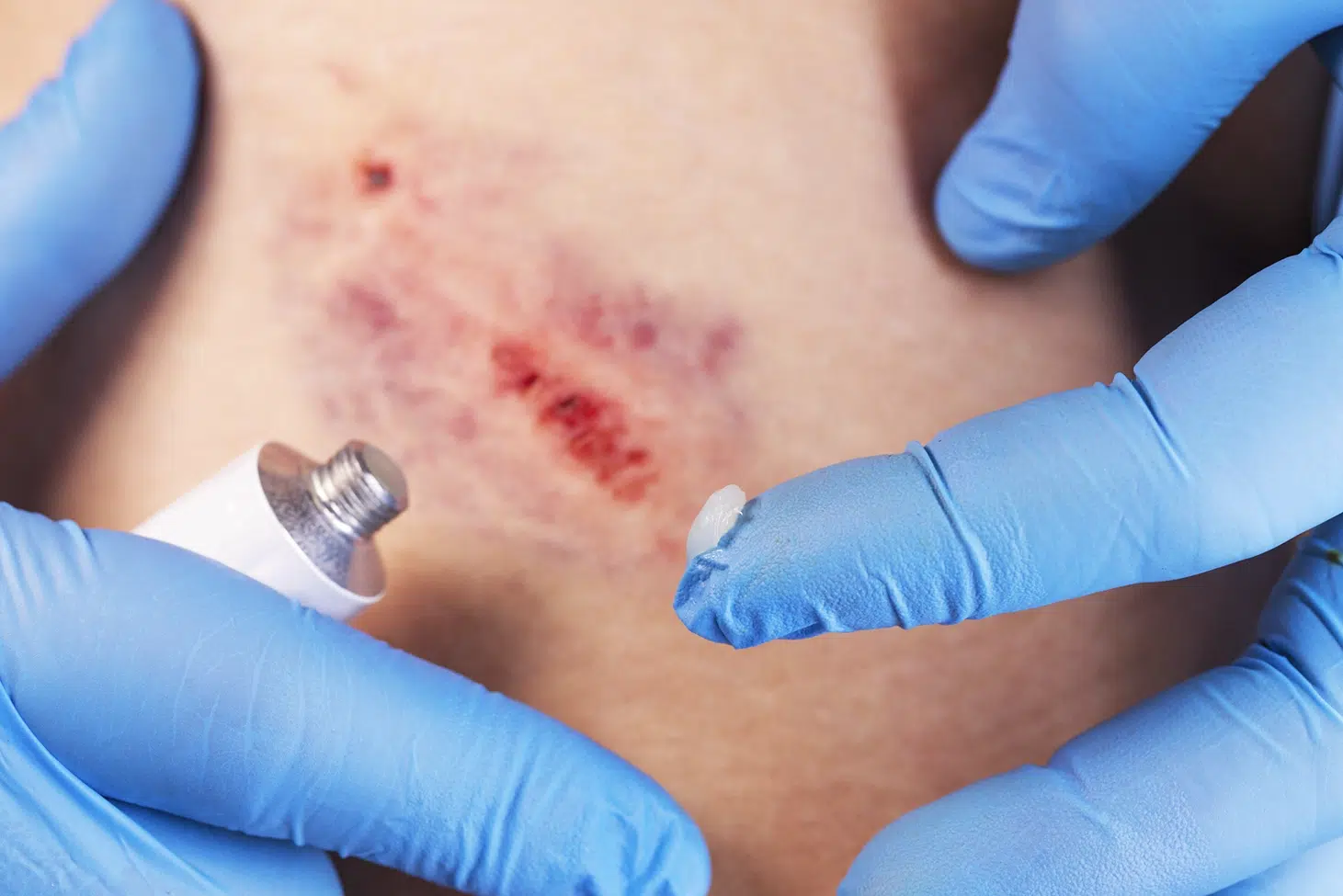
A dog bite wound may close long before the medical, financial, and legal questions surrounding the injury are settled. Families in Charlotte can face uncertainty when a scar remains visible, changes over time, or responds differently to treatment than expected. Speaking with a Charlotte dog bite attorney can help an injured person understand how medical evidence and differing interpretations of the injury may affect the resolution process.
Why Expectations May Change
Early medical estimates are useful, but they are not guarantees. Swelling, infection, wound location, skin characteristics, and the type of treatment received can all affect healing. A scar that initially appears likely to fade may remain raised, discolored, sensitive, or noticeable during facial expressions and movement.
Attorney Matthew Fleishman explains, “A fair evaluation should reflect what the injury actually becomes, not simply what someone predicted at the beginning.” When an insurance company relies on an early photograph or initial prognosis while the injured person points to later medical findings, the disagreement can delay a final settlement.
How Scar Development Affects a Dog Bite Claim
The significance of a scar often becomes clearer over several months. During that period, collagen continues to form, redness may fade, and the tissue can flatten or become firmer. Because healing is gradual, both sides may wait for a treating doctor to provide a more reliable prognosis before discussing a final resolution.
A scar’s location can have a substantial effect on how the injury is evaluated. A small mark on the arm may create different concerns than a similar mark on the cheek, eyelid, hand, or near a joint. Facial scarring may affect confidence and social comfort, while tight scar tissue on a hand can interfere with grip strength or ordinary movement.
Age also matters. A scar on a child may change as the child grows, and a doctor may hesitate to offer a firm opinion too early. In some cases, future treatment could include laser therapy, steroid injections, scar revision surgery, or counseling related to anxiety and self-consciousness. Uncertainty about those needs can make it difficult for the parties to agree on future costs.
Consider a Charlotte family whose child is bitten near the mouth while visiting a neighbor. The wound is cleaned and closed at an emergency department, and the first medical notes describe the outlook as favorable. Six months later, the scar remains raised and pulls slightly when the child smiles. The insurer may continue relying on the original notes, while the family relies on updated photographs and a plastic surgeon’s opinion. That difference does not necessarily mean either side is ignoring the evidence, but it does mean more information may be needed before the claim can be evaluated fairly.
Why People Interpret the Same Evidence Differently
Medical records rarely tell the entire story in a single entry. One provider may describe a scar as healed because the skin has closed without infection, while another may document ongoing discoloration, tenderness, or restricted movement. An insurance adjuster may focus on the word “healed,” even though the patient and a later provider are discussing the scar’s lasting effects.
Photographs can create similar disagreements. Lighting, camera distance, skin tone, and image quality may make a scar look different from one picture to another. A consistent series of dated photographs is usually more informative than a single close-up because it shows how the tissue changed throughout recovery.
An evaluation may also differ when the insurer views scar treatment as optional but the treating provider considers it medically reasonable. This issue often arises with facial wounds or scars that cause itching, tightness, pain, or limited motion. A dog bite injury law firm in Charlotte can review the medical timeline, treatment recommendations, photographs, and related expenses to identify where the parties’ interpretations have separated.
Personal effects can be harder to document than medical bills. An adult may begin covering a visible scar at work, while a child may avoid school photographs or become fearful around dogs. These experiences do not appear on an invoice, yet they can be relevant to understanding how the injury has affected daily life. Notes from counseling, observations shared with medical providers, and a simple recovery journal may provide useful context without exaggerating the situation.
Disagreement can also arise over what treatment will be needed later. One doctor may recommend waiting another year before considering scar revision, while another believes an earlier procedure could help. Until the prognosis becomes clearer, settlement discussions may stall because accepting a final payment generally closes the claim, including claims for future care.
Practical Steps During the Healing Period
Consistent medical care creates a clearer record of the wound’s progress. An injured person should follow the treating provider’s instructions about cleaning, dressings, sun protection, massage, silicone products, and follow-up appointments. Home treatment should not replace professional guidance, particularly when the wound shows warmth, drainage, increasing redness, fever, or worsening pain.
It is helpful to photograph the scar regularly under similar conditions. Taking a clear image every few weeks in consistent lighting can show whether redness, thickness, or movement restrictions are improving. For a facial scar, photographs from the front and side may provide a more complete view, but the process should remain respectful and manageable, especially when a child is involved.
Families should also retain records connected to the injury. Useful materials may include:
- Emergency care and follow-up records
- Receipts for medication and scar products
- Written recommendations for future treatment
- Dated photographs taken during recovery
- Notes describing pain or activity limitations
A short journal can document practical changes that may otherwise be forgotten. Entries might describe discomfort while sleeping, sensitivity to sunlight, trouble moving a finger, missed activities, or a child’s reluctance to return to a home where a dog is present. Specific observations are generally more useful than broad statements because they connect the scar to everyday effects.
Patience can protect the accuracy of the evaluation, but waiting should have a purpose. Medical follow-up may be necessary to learn whether a scar has matured or whether additional care is recommended. At the same time, legal deadlines can continue running while treatment is underway, so an injured person should not assume that an unresolved medical question automatically extends the time available to act.
Understanding What May Happen Next
Once the scar has had time to stabilize, the claim may be reviewed using updated medical opinions, current photographs, treatment expenses, and information about future care. The parties may then resume negotiations with a clearer understanding of the injury. If they continue to disagree, additional medical evaluation or a more detailed legal review may be needed.
No two scars follow an identical timeline. Some fade substantially with routine care, while others remain visible or cause lasting symptoms despite careful treatment. Feeling disappointed by the result does not by itself determine the value of a claim, but documented changes and professional medical opinions can help explain why the original expectations no longer fit the current condition.
Preparing for an Informed Conversation
Before discussing resolution, an injured person can organize the medical timeline, photographs, bills, treatment recommendations, and notes about daily limitations. Rosensteel Fleishman Car Accident & Injury Lawyers can review how those materials relate to a dog bite injury claim and explain questions that may need to be addressed before any final decision. A conversation with Corey Rosensteel or Matthew Fleishman can also help a family understand why the process is taking longer than anticipated.
Learning more does not require making an immediate decision. A free case consultation at 1-704-714-1450 can provide a clearer picture of possible next steps, especially when the appearance or effects of a scar differ from earlier predictions. The steady approach is to continue appropriate care, preserve useful records, and seek guidance before agreeing to a resolution that may not account for the injury’s lasting impact.