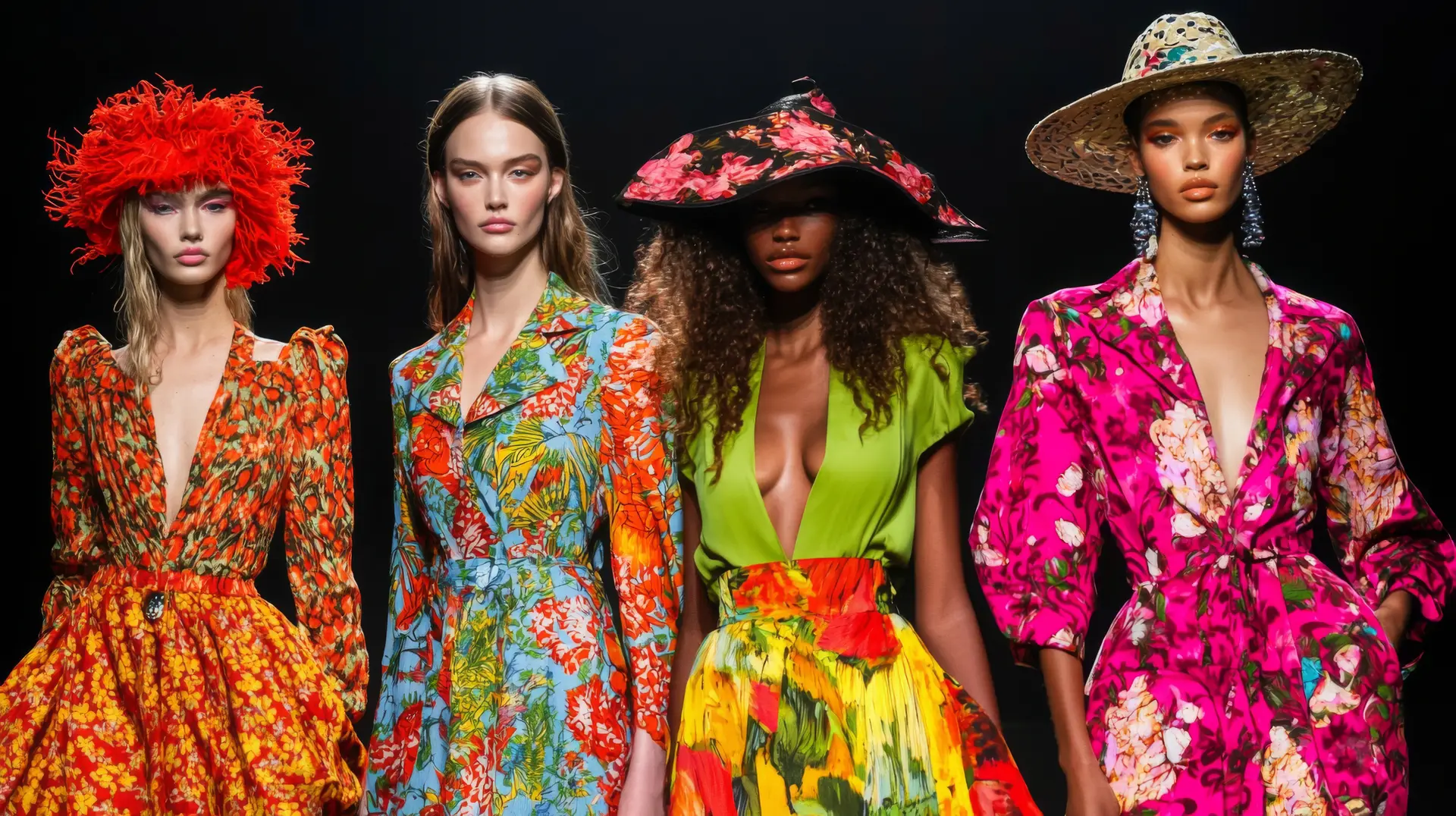
Seasonal fashion is always changing. Every year, new colors, clothing styles, and accessories become popular, and it can be hard to know what to wear or sell. Seasonal Fashion Trend Forecasting helps predict which looks will dominate US markets this year. By studying social media, emerging design trends, and consumer behavior, fashion enthusiasts and brands can plan for the season. This helps in making smart choices for clothing collections, marketing campaigns, or personal style.
Trend forecasting is not just about guessing. It uses real data from global fashion shows, social media posts, and past trends. This ensures that designers and fashion lovers are ready for the season ahead.
What is the Process of Seasonal Fashion Trend Forecasting tool?
From the Seasonal Fashion Trend Forecasting tool, we can analyze patterns to predict what will be popular in the coming season. It includes clothing, shoes, accessories, and even colors. This forecasting uses:
- Social media insights to see what is trending online
- Consumer behavior trends to understand preferences
- Emerging design trends from fashion weeks and designers worldwide
Trend forecasting helps brands reduce risks, save time, and create collections that consumers are likely to buy. For individuals, it helps stay stylish without guessing which styles will be outdated quickly.
Why Forecasting is Important?
Knowing fashion trends before they happen has many benefits:
- For brands: They can produce clothes and accessories that will sell, plan marketing campaigns, and target the right audience.
- For consumers: Helps buy the right items and combine outfits that look modern.
- For retailers: Stores can stock products that are likely to be in demand, reducing unsold inventory.
For example, if oversized jackets are trending, brands can prepare stock in advance, and consumers can choose items that will remain fashionable throughout the season.
How Trends Are Predicted?
Fashion trends are predicted through a combination of methods:
- Social Media Analysis:
Social media platforms like Instagram, TikTok, and Pinterest show what people are wearing. Popular hashtags, viral videos, and influencer posts are closely studied. - Fashion Shows & Runways:
Designers’ new collections often indicate upcoming styles. Runway trends trickle down into street fashion and retail clothing. - Consumer Insights:
Patterns in purchasing behavior and online searches reveal what people are interested in. Younger audiences, especially Gen Z, often influence trend adoption. - Color Trends & Seasonal Color Forecasting:
Every season, specific colors are highlighted. For example, pastel shades may dominate spring, while deeper colors may be popular in winter.
By combining these insights, Seasonal Fashion Trend Forecasting ensures accurate predictions for clothing, colors, and styles.
Top Styles and Clothing Items
This season in the US, some clothing styles and items are expected to become popular:
- Oversized Jackets and Coats: Comfortable, layered looks are gaining attention.
- Crop Tops and Ruched Dresses: Popular among young consumers, especially for casual and semi-formal wear.
- Wide-Leg Pants and Loose Trousers: Comfort meets style in modern streetwear trends.
- Athleisure & Casual Wear: Sports-inspired outfits can be worn anywhere.
- Eco-Friendly Fabrics: Consumers prefer clothing made from sustainable, organic, or recycled materials.
Accessories are also important. Statement jewelry, layered necklaces, and colorful handbags complement the outfits, completing the look. Shoes like eco-friendly sneakers or stylish boots are trending.
Role of Colors and Patterns
Color is a key part of fashion forecasting. Each season, designers predict which shades will dominate the market. This year:
- Pastels & Neutral Colors: Soft pinks, beiges, and blues are popular for spring and summer.
- Earthy Tones: Browns, olives, and muted greens are trending in fall.
- Bold Colors for Statement Pieces: Bright reds, neon, and cobalt are seen in limited statement pieces.
- Patterns: Plaids, florals, and tie-dye are making a comeback in casual and formal wear.
Seasonal color forecasting helps brands choose fabrics, create matching accessories, and design cohesive collections. Consumers also find it easier to mix and match outfits with the right seasonal shades.
Emerging Design Trends
Trend forecasting tool also identifies new styles and designs before they become mainstream. This includes:
- Layering: Combining jackets, vests, and tops in creative ways
- Asymmetrical Cuts: Unique shapes in dresses, skirts, and tops
- Mixed Materials: Using denim, leather, and soft fabrics together
- Statement Sleeves: Puffy, oversized, or cut-out sleeves
- Functional Fashion: Clothes with pockets, detachable layers, or multi-purpose designs
These emerging trends are often first noticed on social media platforms by influencers and then adopted by retail brands.
How Consumers Can Follow Trends?
Even if you are not a fashion designer, trend forecasting can help you stay stylish:
- Watch social media trends: Follow trending hashtags and videos on Instagram and TikTok.
- Shop seasonal collections: Choose items marked as part of seasonal trend reports.
- Mix and match: Layering and combining different styles help create fashionable outfits.
- Invest in timeless pieces: Basics in neutral colors can be combined with trending statement items.
By following trends, consumers can look modern and fashionable without spending on items that quickly go out of style.
Gen Z Seasonal Fashion Trends
Gen Z in the US significantly influences seasonal trends, favoring bold, expressive, and eco-conscious styles. They like clothing that is bold, fun, and expressive, showing their personality in every outfit. Bright colors, playful patterns, and oversized pieces are especially popular among this generation, giving each season a fresh and energetic look. Social media platforms like TikTok and Instagram spread these trends quickly, so what Gen Z wears can become mainstream within weeks.
Sustainability is also very important to this generation. Many Gen Z consumers prefer eco-friendly fabrics, recycled clothing, thrifted items, and accessories made with minimal environmental impact. Their fashion choices often reflect their values, combining style with responsibility.
Some common features of Gen Z seasonal fashion include:
- Statement pieces with classic basics: Mixing standout items with timeless wardrobe staples.
- Layering and texture play: Combining different fabrics and layers creatively.
- Bold colors and fun patterns: Bright shades, pastels, tie-dye, and unique prints are popular.
- Eco-conscious choices: Sustainable and second-hand items are highly favored.
By blending creativity with practicality, Gen Z keeps their seasonal fashion dynamic and personal. Every season brings new ways to mix, match, and experiment with trends, making their wardrobe both expressive and trend-forward.
Challenges in Fashion Forecasting
Fashion trend forecasting is useful; it comes with challenges:
- Trends change quickly: Social media can make styles viral and fade overnight.
- Regional Differences: Some trends may not work in all areas of the US.
- Overproduction Risk: Brands must carefully decide which styles to produce.
Despite these challenges, seasonal fashion trend forecasting remains one of the most effective ways to predict styles, colors, and clothing items that will be popular.
9. Tips for Following Seasonal Fashion Trends
- Follow top trending fashion brands for inspiration.
- Watch emerging design trends on fashion blogs and social media.
- Check color trends in fashion for matching outfits.
- Focus on sustainable clothing to combine style with eco-conscious choices.
- Experiment with layering, textures, and accessories to personalize your look.
Conclusion
Seasonal Fashion Trend Forecasting is a powerful tool that helps brands, designers, and consumers plan for the season. By combining insights from social media, consumer behavior, emerging design trends, and color forecasting, it predicts which clothing, colors, and styles will be popular across the US. Following trend forecasts allows brands to launch successful collections, while consumers can stay stylish and confident. Staying aware of seasonal trends ensures you are always prepared and fashionable.
Stay ahead of fashion! Follow seasonal fashion trend forecasting insights and emerging styles to create a wardrobe that is trendy, comfortable, and sustainable this year.
FAQs
Q1: What is seasonal fashion trend forecasting?
It’s studying clothing, colors, and styles to predict what will be popular each season.
Q2: Which styles are trending this year?
Oversized jackets, crop tops, athleisure, wide-leg pants, and eco-friendly fabrics.
Q3: How can I follow seasonal fashion trends?
Watch social media, follow emerging design trends, and experiment with layering and colors.
Q4: Why are colors important in fashion forecasting?
Colors show which shades will be popular, making it easier to mix and match outfits.
Q5: Are Gen Z fashion trends different from others?
A: Yes. Gen Z trends are often bold, unique, and eco-conscious, spreading quickly through social media.