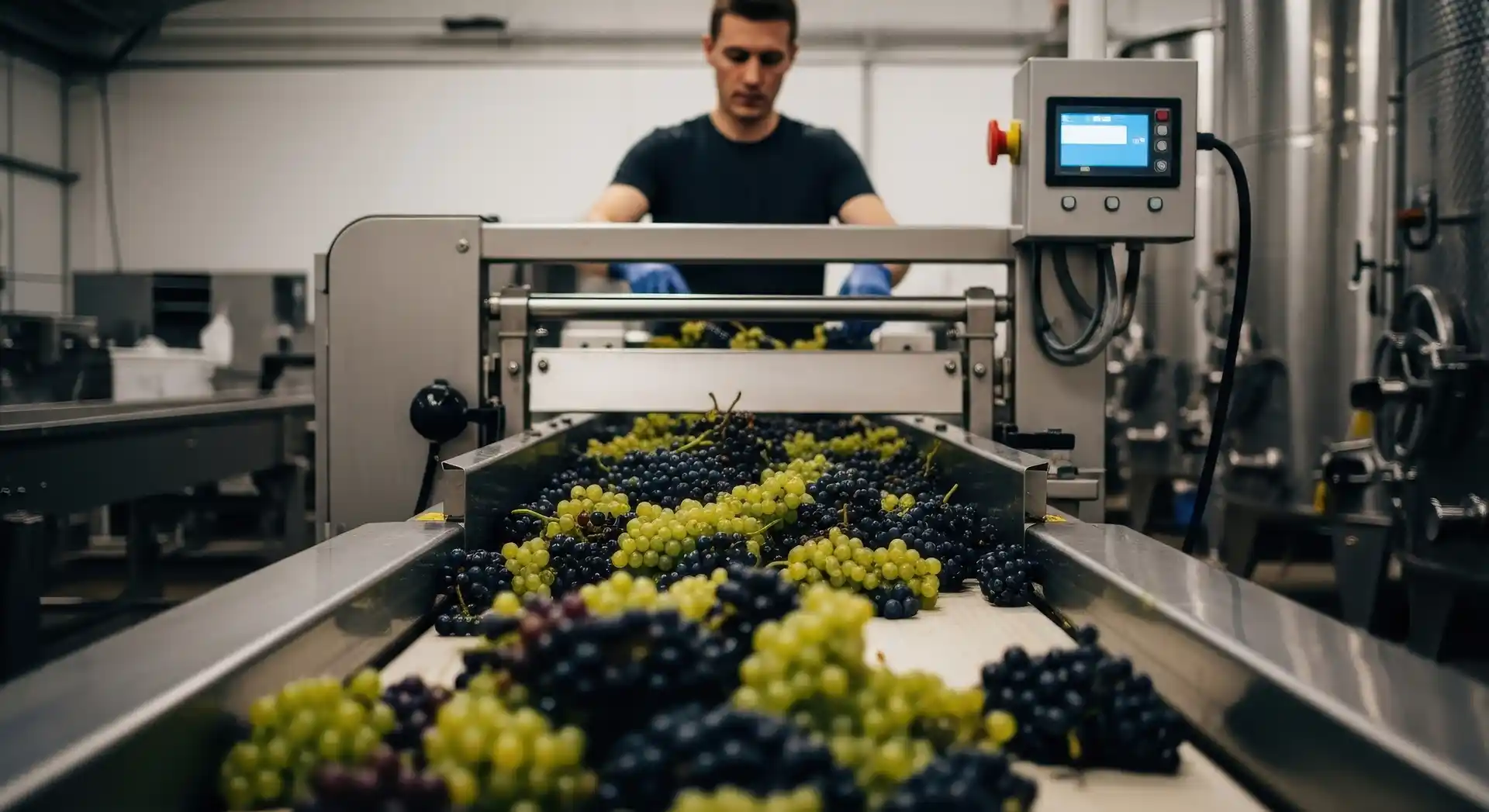
Your winery begins long before you crush your first grapes. In Texas alone, the wine industry generates $24.39 billion in annual economic activity, supports more than 136,000 jobs, includes 617 wine producers, and attracts 2.64 million tourist visits each year. This is a regulated industry that requires careful planning and accurate recordkeeping from day one. When you build a compliance roadmap early, you turn your winery idea into a legally sound operation.
Map the federal permission to operate steps early
Before you produce wine, you must secure approval from the Alcohol and Tobacco Tax and Trade Bureau (TTB). Federal law requires approval before anyone operates a bonded winery or other wine premises.
Submit your application through TTB’s Permits Online system. You need to provide detailed information about your business entity, including your physical premises and the operations you plan to conduct.
Your application typically includes information about who owns and controls the company, plus details about where you will make and store wine. TTB reviews this information to confirm that you meet federal standards and that your layout supports tax control.
Build your business filing checklist
While you prepare your federal permit, you also need to form and register your business at the state level. Many first-time founders choose a limited liability company because it separates personal and business liabilities and offers flexible tax treatment. If you plan to operate in Texas, for example, you might look into how to start an LLC in Texas as part of your early evaluation of structure options. This helps you keep compliant within your state.
You will file formation documents with your state’s secretary of state or similar office and create an operating agreement. Once the state approves your entity, you can apply for an Employer Identification Number (EIN) from the IRS. The IRS issues EINs for free through its official website, and it warns business owners about third-party sites that charge unnecessary fees.
Complete your state formation before you submit your TTB application so that all entity details match across filings.
Know what’s changing
Regulatory expectations shift regularly, so you need to stay current. TTB is streamlining wine premises permit application requirements through rulemaking and administrative updates.
TTB publishes current forms and guidance. Use those materials for the most accurate requirements. From there, review TTB’s current application instructions directly before you finalize your submission.
Operational setup basics
A winery is essentially a manufacturing facility that doubles as a tax-collection site for the government. You must maintain meticulous records of every gallon of wine you produce, ferment, and bottle.
The TTB requires regular Report of Wine Premises Operations filings, which feed into the federal datasets used to track industry activity. Invest in winery management software early in your setup phase to automate these reports.
Establish this system early to prevent administrative backlogs during your busiest season.
Launch planning
Your compliance filings are the basis of your timeline, but there are other ways you can prepare while you’re meeting these legal requirements.
You need a secured facility that matches your approved diagram and production equipment that fits your volume goals. You’ll also need to have suppliers for things like grapes, bottles, and labels in place.
Labeling decisions are also important. These affect formula approvals and brand registration, so you should coordinate those steps with your production schedule.
Focus on insurance and worker safety planning too. You will likely carry general liability coverage and property insurance. Depending on your distribution model, you may also need product liability coverage. Ensure your insurance coverage is specifically for spoilage and leakage to protect your liquid investment.
Before you move from planning to production, confirm that you have the following in place:
- TTB approval
- State licenses
- Insurance policies
- Active reporting systems
Run a final review with your advisors before you make your first sale.