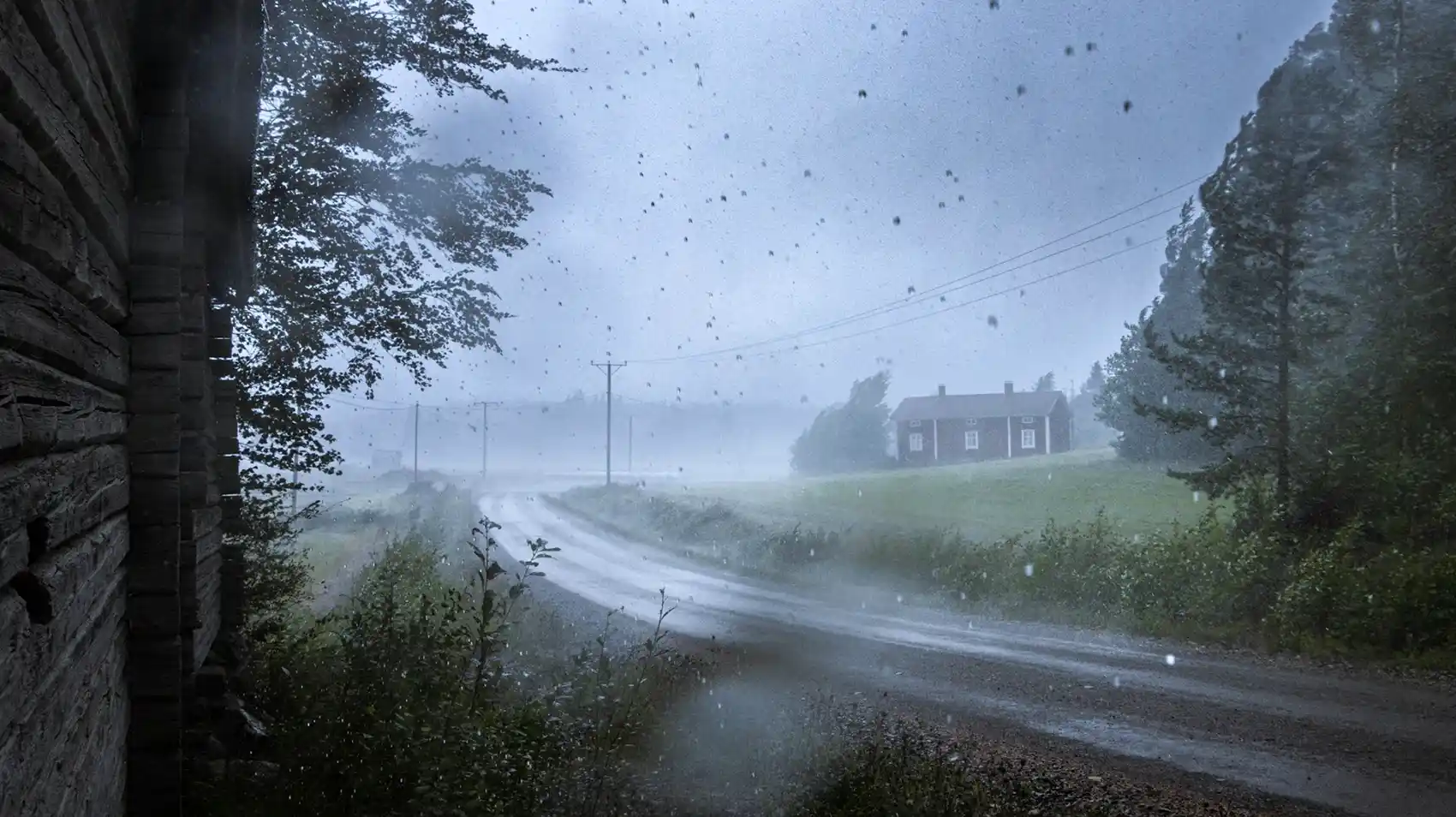
You do not think much about your roof until you hear something hit it hard in the middle of the night. That sharp thud during a storm has a way of keeping you awake, even if you tell yourself it is probably nothing. What sounds small at 2 a.m. can turn into a ceiling stain two weeks later.
In McKinney, storms are not rare events. Spring brings hail and strong winds, and summer can roll in with sudden downpours that test gutters and shingles at the same time. The heat dries materials out, then rain hits fast and hard. That cycle, over and over, wears on a roof in ways most homeowners do not see from the ground.
Why Local Experience Matters
Roof systems are built to handle weather, but they are not identical across regions. The type of shingle, the underlayment beneath it, and the way flashing is installed around chimneys and vents, all of it should match the climate and storm patterns of the area. What works in a mild coastal zone may not hold up under repeated hail and high winds. After a serious storm, damage is often subtle. Granules wash off shingles. Flashing lifts slightly. Nails loosen. These issues are not always visible from the yard, but they reduce the roof’s ability to shed water properly.
That is why you must rely on trusted McKinney roofing contractors who understand how local weather affects materials over time. Professionals familiar with the area tend to look beyond obvious damage and check the smaller points where leaks usually begin.
Start With a Ground-Level Inspection
Before climbing any ladder, take a slow walk around the house. Look for shingles that appear darker or uneven, which may signal moisture beneath the surface. Check for pieces of shingles in the yard after a storm. Even small fragments matter.
Pay attention to gutters. If they are bent, loose, or pulling away from the fascia board, heavy rain may not drain properly. Water that spills over the sides can pool near the foundation or seep back under the roof edge. It is not dramatic at first. It builds quietly. From the ground, you can also spot sagging areas along the roofline. A slight dip might suggest the underlying wood has absorbed moisture and begun to weaken. That is not something to ignore.
Understand the Role of Underlayment
Most people think about shingles because that is all they see from the yard. Underneath them sits the underlayment, a quiet layer that helps block water when wind pushes rain where it does not belong. During strong storms, that hidden sheet does more work than most realize.
If shingles crack but the layer below still holds, leaks may not show up right away. That gap in time can fool homeowners. Weeks later, stains appear, and the earlier storm is forgotten. Before storm season, check when the roof was installed and what materials were used. Older felt layers often fail sooner than newer synthetic ones.
Secure Flashing and Penetrations
Water rarely enters through the middle of a shingle field. It finds its way around edges and openings. Flashing around chimneys, skylights, and vents must remain tight and sealed. Storm winds can lift flashing slightly. Hail can dent it. Sealant can dry and crack in prolonged heat. These are small vulnerabilities, yet they are common leak points. A pre-season check should include examining these transitions. If the sealant appears brittle or separated, it should be addressed. It is easier to reseal a joint than to repair interior drywall and insulation later.
Trim Overhanging Branches
Trees add shade and curb appeal, but they also pose a risk during storms. Branches that hang close to the roof can scrape shingles in strong wind. Over time, this abrasion removes protective granules. In heavy weather, even a healthy branch can break and strike the roof. The damage may not punch through immediately, but it can bruise the surface and weaken it. Keeping branches trimmed back creates space. It reduces impact risk and allows the roof to dry more quickly after rain. Drying time matters. Moisture that lingers encourages mold growth beneath shingles and in attic spaces.
Check the Attic After Major Storms
Attics are often ignored until something smells musty or insulation becomes damp. After a severe storm, it is wise to inspect the attic with a flashlight. Look for dark spots on the underside of the roof deck. Check for wet insulation or visible daylight through gaps.
Ventilation should also be reviewed. Proper airflow helps regulate temperature and moisture levels. During hot months, trapped heat can age shingles faster. In cooler seasons, poor ventilation can lead to condensation. These systems work together. Roofing is not just the outer layer. It includes airflow, drainage, and structural support.
Review Insurance and Documentation
Storm season is not only a physical test of your roof. It is also a financial consideration. Insurance policies often cover wind and hail damage, but claims require documentation. Before storms become frequent, take clear photos of the current roof condition. Keep records of past repairs and inspections. If damage occurs, this information helps establish a baseline.
Some homeowners delay inspections because they worry about being pressured into replacement. A straightforward evaluation should focus on condition, not sales. It is reasonable to ask for written findings and to compare opinions if needed.
Know When Repair Is Not Enough
Minor shingle loss can usually be repaired. However, if large sections are compromised or if the roof is near the end of its service life, patchwork fixes may only postpone replacement. Age matters. Most asphalt shingle roofs last around twenty to thirty years, depending on the material and exposure. Repeated storm damage can shorten that timeline.
There is a balance between caution and overreaction. Not every dent or missing tab means full replacement. At the same time, ignoring widespread wear can lead to interior damage that costs more than the roof itself.
The strongest roofs are maintained, not just repaired after failure. A routine inspection once or twice a year, especially before and after storm-heavy seasons, reduces surprises. Storms will come whether you prepare or not. The difference is how well the roof responds when wind pushes against it, and rain tries to find a way inside. A roof that has been checked, reinforced, and understood tends to hold its ground better.