Introduction
Busy workplaces today push companies to care about more than just what they sell. A diner or workspace feels different depending on how chairs, tables, and rooms come together. The way pieces fit can change how people move, work, or relax inside. How things look from the moment someone walks in shapes opinions fast. Choices in seating or spacing stick in memory longer than words sometimes.
Comfort at a table begins with chairs that fit just right, shaping how meals feel. Flow between seats matters more than most notice, guiding movement without thought. Workspaces start with desks placed to keep minds moving smoothly through tasks. When team members reach across space to share ideas, it is because the room allows it. Success over time comes easier when rooms are built with purpose, not chance.
Furniture in Workplaces
Out there among everyday things, furniture stands out by doing more than just filling rooms. When people walk into a restaurant, what they see right away – tables, chairs, layout – shapes how they feel before tasting food. Step into an office, and the setup silently guides whether work flows smoothly or gets stuck. Each piece plays a role far beyond holding weight.
A poorly designed space can lead to discomfort, inefficiency, and reduced satisfaction, while a well-structured environment enhances usability, comfort, and engagement. Therefore, careful planning is essential in both industries.
How Choosing Restaurant Furniture Affects the Space
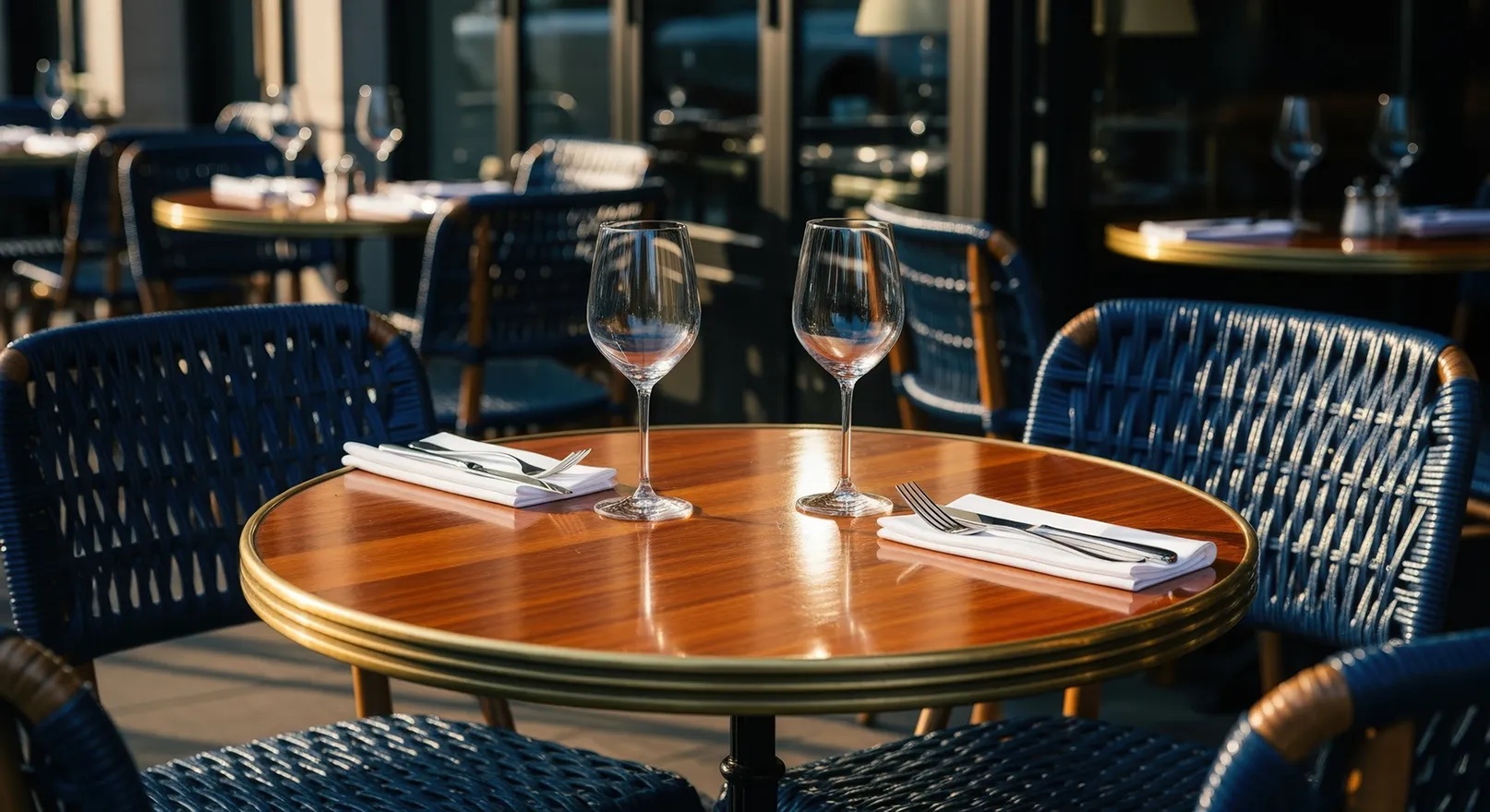
Comfortable seating makes a difference when people eat out. Furniture shapes how long guests stay, not only by looking good but holding up over time. When chairs support well and tables fit the room, visitors relax more easily. A pleasant sit often means they return later. What fills the space affects both daily work and whether diners come back through smart restaurant furniture planning.
Start strong with chairs that feel good after an hour of sitting. Since spills happen daily, pick fabrics fighting stains without fuss. Imagine how each table fits the mood – cozy diner or bright bistro. Through winter boots and summer rushes, pieces should hold up week after week. Style matters less when wobbly legs distract guests mid-meal. Even sleek metal bends if nobody checks bolts monthly. Picture red booths under neon signs; does it click? From entryway benches to back booth corners, everything speaks before a menu arrives.
A well-chosen chair here, a table placed just right there – movement opens up, workers glide through tasks. When pieces clash or crowd, space tightens, people slow down, service stumbles.
What to Think About When Choosing Furniture for a Restaurant
When selecting furniture for a restaurant, several key elements must be considered:
- Comfort and ergonomic seating design
● Durability for high daily usage
● Easy maintenance and cleaning
● Alignment with brand identity and interior theme
● Efficient use of available space
A strong look matters, yet smooth operations keep things running behind the scenes. Staying power comes down to ease – how at home people feel affects their time spent inside, repeat visits follow naturally.
How Layout Planning Affects Restaurant Function
Most folks think picking tables and chairs settles it. Yet how things fit together matters just as much. Picture workers weaving through tight spots less often because paths flow better. People move in and out without bumping into each other nearly as much. Service picks up when space works quietly behind the scenes.
Most people feel better when there’s enough room to sit without squeezing. Too many seats crammed in one area often leads to frustration, whereas too few mean missed chances to earn. Tables spaced just right, paths wide enough to move, chairs arranged with care – this kind of setup makes the most of every corner.
Where things are placed shapes how a place feels, setting up spots like quiet corners for one person, roomy parts for families, or laid back eating nooks. Because of this setup, people enjoy themselves more when they find exactly what fits their moment.
How Office Chairs Desks And Lighting Affect Work Speed
In office environments, furniture and layout design directly influence employee productivity, comfort, and collaboration through efficient office furniture layout. A poorly designed office can lead to inefficiency, discomfort, and reduced performance.
Comfort comes first when chairs fit the body right, while desks that support real tasks make daily work smoother. Lighting matters just as much as layout, shaping how clearly people think and move through their day. A space built around actual use – instead of trends – lets employees stay focused without strain pulling them off track.
Furniture needs to shift easily as people move between solo work and group projects. Offices today mix remote setups with in-person time, so spaces cannot stay fixed. What fits one day might fail the next. Designs grow useful when they bend instead of break under change. Size adjustments matter just as much as quick reconfigurations.
Office Layout Design Key Elements
Effective office furniture and layout planning includes several essential components:
- Ergonomic seating and adjustable workstations
● Flexible layouts for collaboration and privacy
● Clear pathways for movement and accessibility
● Dedicated zones for meetings and focused work
● Scalable design for future expansion
Comfortable workers often stay focused longer when surroundings feel fair and steady. Productivity rises naturally where balance shapes daily routines.
Flexible Spaces For Today’s Needs
Spaces today need room to shift – offices, eateries, they’re no different. When demands change, so should the walls around them.
Start with a lunch spot where chairs and tables shift fast when groups change size. Picture an office space where desks snap together differently as teams grow or tasks shift. Built to last because they bend without breaking, these pieces keep working smoothly over time.
Durability and Material Quality
Furniture in busy spaces must handle constant use without wearing out fast. Built tough, pieces rely on strong stuff like hardwoods, steel supports, sturdy fabrics. These choices help them survive years of daily wear.
Over time, sturdy pieces hold their look while cutting repair bills and lowering risks. Because they last longer, good materials save money when measured across years instead of months.
Smart Use of Limited Space
Out of sight, good layout makes a big difference in places where people eat or work. When thought goes into the setup, each section serves its purpose well while still feeling open and easy to move through.
Even small changes in restaurant layouts can fit more seats without making guests feel squeezed. A smarter setup in office areas helps tasks move faster, clears out mess, leaving room to think.
Maintenance and Long-Term Value
Most people forget upkeep when picking out furniture. Yet how simple it is to wipe down a surface can shape daily routines. Materials that resist stains mean less time scrubbing, more time moving forward. Less fuss means fewer steps just to keep things presentable.
Spending less at first might seem smart – yet it often means replacing things sooner. Good furniture costs more up front, still it lasts much longer, works better daily. Over years, that adds up to real savings despite the bigger price tag early on.
Conclusion
Start with how chairs feel under someone sitting down. A desk arrangement might shape the way people move through a room. One affects mood while the other guides workflow without saying a word. Noticeable only when wrong, these details quietly steer daily results.
Start with how people feel inside the room – comfort sets the stage. Built to last, materials matter just as much as design choices down the line. Movement flows better when layouts bend instead of block, allowing shifts without hassle. Every inch earns its place where space is shaped smartly, not stuffed. Growth happens quietly in spaces made to adapt before demands arrive. Smooth operations begin long before opening doors, rooted deeply in layout logic. Identity shows through clearly when visuals align naturally with daily use.