
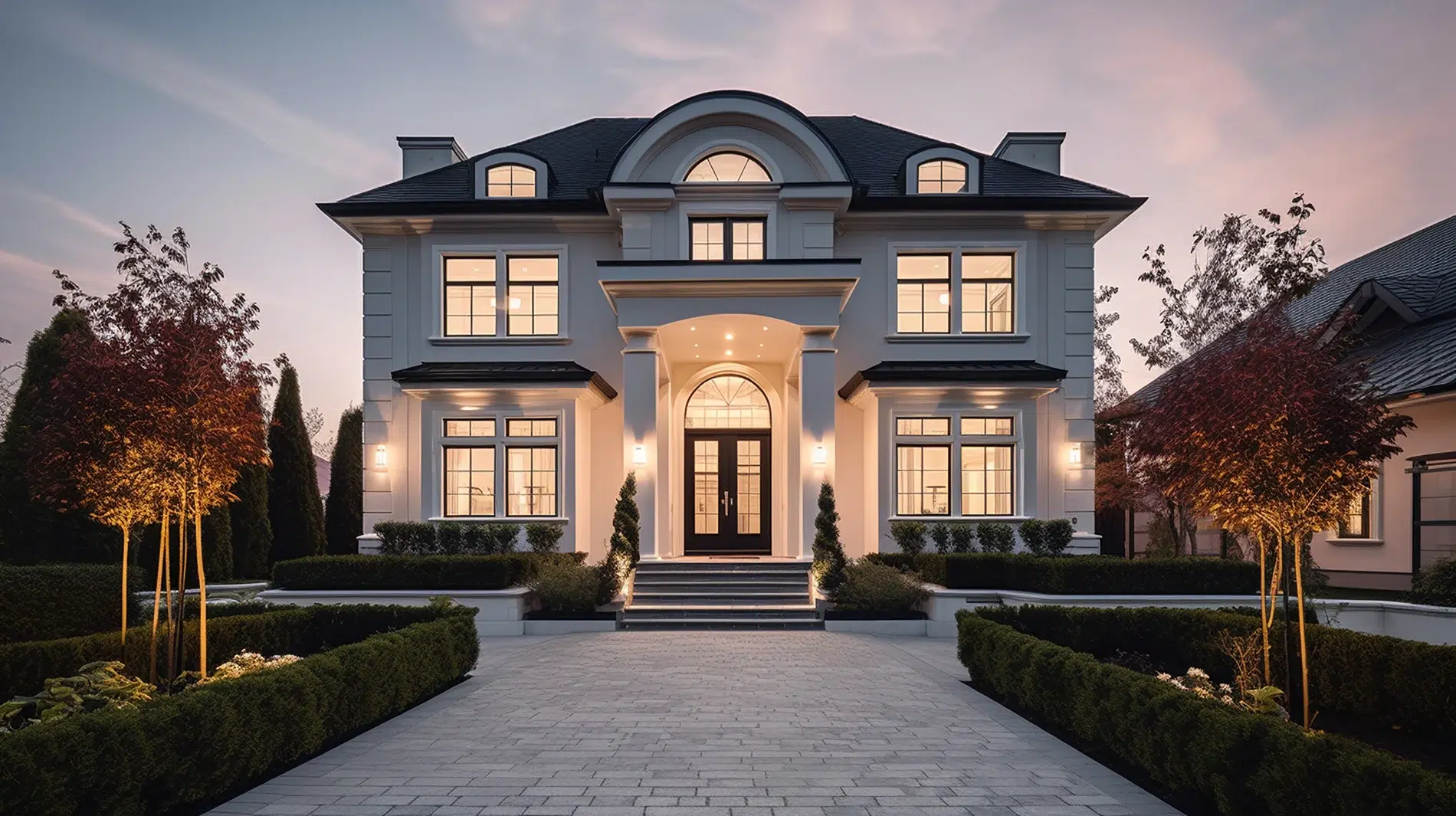
Have you ever watched a storm roll in and wondered if your home is truly ready for it? With extreme weather becoming more common, protecting your house is no longer just practical; it is essential.
Homes today face stronger storms, rising heat, and unexpected cold snaps. At the same time, people want spaces that look good, not just survive disasters. This shift reflects a broader trend where resilience meets design. From coastal cities to inland suburbs, homeowners are rethinking materials, layouts, and even landscaping. The goal is simple: stay safe without turning your home into a bunker. The good news is that modern solutions make it possible to do both.
Design That Works as Hard as It Looks
Stylish protection starts with choosing materials that can handle stress without losing their appeal. Fiber cement siding, for example, resists moisture and fire while still offering clean, modern finishes. Metal roofing has also gained popularity, not only for its durability but for its sleek lines that fit contemporary designs.
This approach mirrors a larger cultural shift. People no longer separate safety from style. Just as electric cars now look as good as they perform, homes are expected to do the same. Investing in strong yet attractive materials creates a house that feels intentional rather than patched together.
Doors That Make a Statement and Stand Firm
The front door is often treated as a design centerpiece, but it also serves as a critical barrier against harsh weather. Reinforced doors with solid cores and proper seals help keep wind and debris out while maintaining a polished look.
In coastal regions, many homeowners now choose impact-resistant hurricane doors because they offer both protection and visual appeal. These doors are engineered to handle strong winds and flying debris, yet they come in styles that match everything from classic to modern homes. The shift toward stronger entry points reflects recent hurricane seasons that have caused record damage across the U.S., pushing homeowners to rethink what a “secure” home really means.
Windows That Balance Light and Strength
Natural light makes a home feel open, but traditional windows can become weak points during storms. Upgraded options such as double-pane or laminated glass provide better insulation and resistance to impact.
Homeowners are also paying attention to window frames. Vinyl and aluminum frames tend to hold up better against moisture and temperature swings compared to untreated wood. With energy costs rising nationwide, these improvements do more than protect against storms. They also help reduce heating and cooling bills, making them a practical investment that pays off over time.
Smart Technology for Real-Time Protection
Technology has become a key part of modern home resilience. Smart sensors can detect leaks, monitor temperature changes, and even alert you to structural stress during extreme conditions. These systems provide early warnings that allow you to act before small issues turn into major problems.
The rise of smart homes shows how people are blending convenience with safety. As climate events become less predictable, having real-time information offers peace of mind. It also allows homeowners to manage their property remotely, which is especially useful for those who travel frequently or own multiple properties.
Community Trends Shaping Safer Homes
The way people build and upgrade their homes is often influenced by what is happening around them. In many areas, local building codes have become stricter, requiring stronger materials and better construction practices. These changes are driven by lessons learned from past disasters.
At the same time, social media and online platforms have made it easier for homeowners to share ideas and solutions. What works in one region quickly spreads to another. This exchange of information has created a more informed public, one that values both safety and design. It is no longer unusual to see homes that look like magazine features while quietly incorporating advanced protective features.
Reinforcing your home against harsh weather does not mean giving up on style or comfort. Instead, it is about making thoughtful choices that serve both purposes. From stronger doors and windows to smart landscaping and technology, each element adds a layer of protection while contributing to the overall look and feel of your space. As extreme weather continues to shape how people live, the homes that stand out will be the ones that combine resilience with design in a way that feels natural and intentional.


