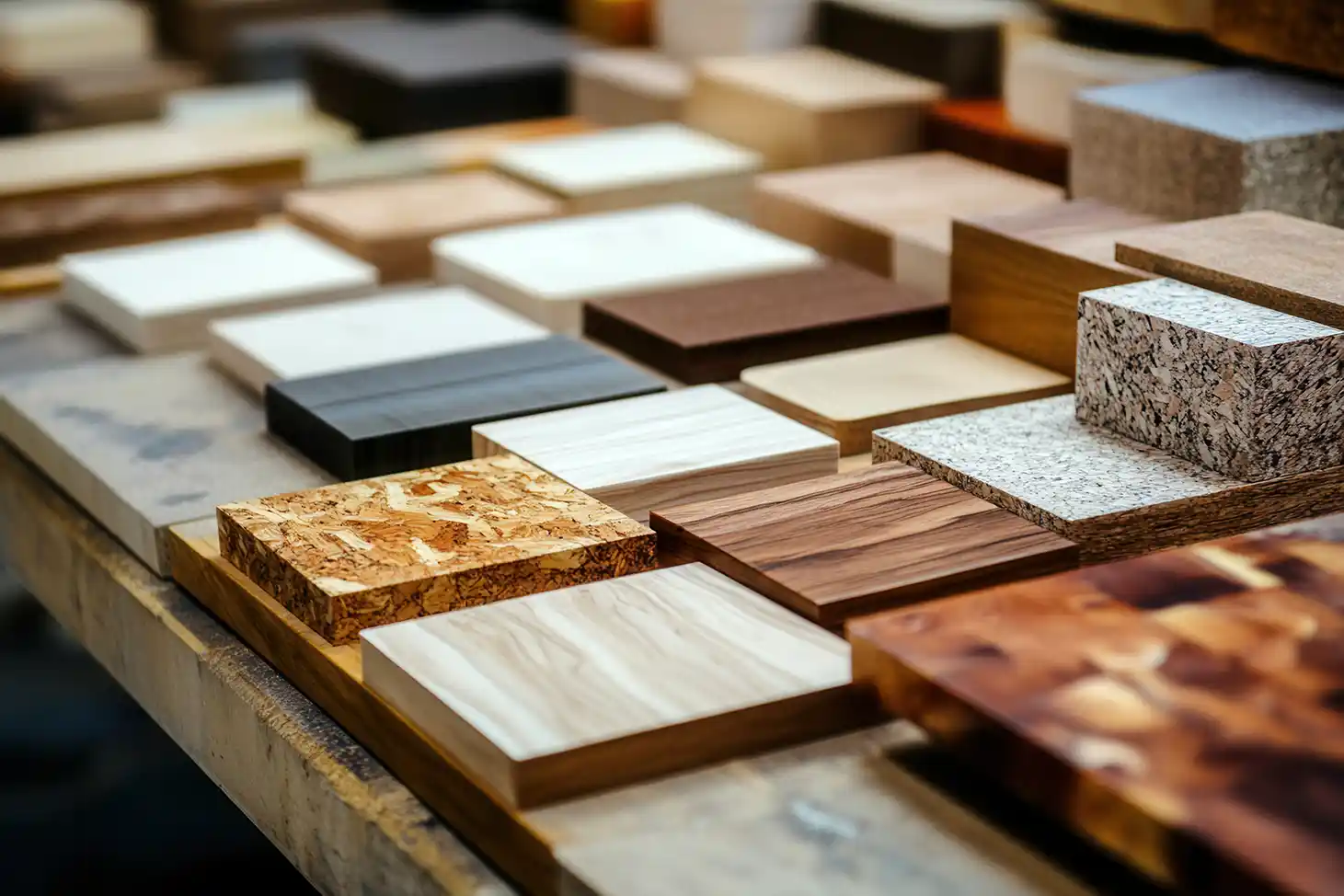
Introduction to Sustainable Luxury
Sustainable luxury is more than just a trend; it is a necessary evolution in the way we approach high-end living and construction. As consumers become more environmentally conscious, there is an increasing demand for products that combine luxury with sustainability. One such innovation in this realm is the emergence of wood-aluminium composites, which offer both aesthetic appeal and eco-friendly benefits. This blog explores the eco-friendly advantages of these materials, highlighting how they contribute to a sustainable lifestyle without compromising on luxury.
Understanding Wood-Aluminium Composites
Wood-aluminium composites are engineered materials that incorporate the natural beauty of wood with the durability of aluminium. These composites typically consist of a wooden core, which provides insulation and warmth, encased in an aluminium shell that protects against the elements and wear over time. This combination results in a product that retains the aesthetic qualities of wood while benefiting from the strength and longevity of aluminium.
The manufacturing process involves careful selection of wood species, often sourced from sustainable forests, ensuring that the environmental impact is minimized from the outset. The use of timber aligns with responsible forestry practices, making it an appealing choice for eco-conscious consumers.
The Environmental Impact of Choosing Wood-Aluminium Composites
One of the most significant advantages of wood-aluminium composites lies in their reduced environmental footprint compared to traditional materials. Here are some key points to consider:
- Sustainability: Many wood sources for these composites are certified by organizations such as the Forest Stewardship Council (FSC), promoting responsible forest management.
- Reduced Carbon Footprint: The energy consumption during production is lower than that required for pure aluminium or other synthetic materials.
- Recyclability: Both wood and aluminium can be recycled at the end of their life cycle, contributing to a circular economy.
By selecting wood-aluminium composites, homeowners and builders actively contribute to environmental conservation efforts while enjoying luxurious design options.
Aesthetic and Design Advantages
The aesthetic appeal of wood-aluminium composites cannot be overstated. These materials offer versatility in design, allowing architects and designers to create stunning structures that blend seamlessly with natural surroundings or modern urban landscapes. Some notable design advantages include:
- Variety in Finishes: The wooden core can be finished in various stains or paints, providing customization options to match any aesthetic preference.
- Modern Look with Natural Warmth: The combination of sleek aluminium exteriors with warm wooden interiors creates a unique visual contrast that elevates any space.
- Architectural Flexibility: Wood-aluminium composites can be molded into various shapes and sizes, opening up endless possibilities for innovative designs.
This blend of functionality and style makes wood-aluminium composites an attractive choice for luxury homes and buildings.
Durability and Longevity
Wood-aluminium composites are known for their impressive durability, making them a worthwhile investment for those seeking long-lasting solutions:
- Weather Resistance: The aluminium shell protects the wood from moisture, UV rays, and temperature fluctuations, preventing warping or decay.
- Low Maintenance: Unlike traditional wooden structures that require regular staining or sealing, wood-aluminium composites need minimal upkeep while retaining their appearance over time.
- Structural Integrity: The composite structure is engineered to withstand various environmental conditions without compromising strength.
As a result, homeowners can enjoy peace of mind knowing that their investment will endure through the years.
Energy Efficiency and Insulation Properties
Energy efficiency is another critical aspect where wood-aluminium composites shine:
- Superior Insulation: The wooden core provides excellent thermal insulation, reducing heat transfer between indoors and outdoors.
- Reduced Energy Bills: With improved insulation properties, homes equipped with wood-aluminium windows can maintain comfortable indoor temperatures more efficiently, leading to lower energy consumption.
- Environmental Benefits: By decreasing reliance on heating and cooling systems, these materials help reduce greenhouse gas emissions associated with energy production.
Choosing wood-aluminium composites is not just an aesthetic decision; it also aligns with ecological responsibility by promoting energy-efficient living environments.
Economic Considerations
While the initial investment in wood-aluminium composites may be higher than traditional materials, several economic factors make them an appealing choice:
- Long-Term Savings: Their durability and low maintenance requirements lead to cost savings over time.
- Increased Property Value: Homes featuring high-quality materials like wood-aluminium composites often see enhanced market value due to their modern aesthetics and energy efficiency ratings.
- Return on Investment (ROI): Many buyers are willing to pay a premium for eco-friendly features, making these products financially advantageous in competitive real estate markets.
Investing in sustainable luxury through wood-aluminium composites ultimately pays off both environmentally and economically.
Case Studies: Real-World Applications
Several notable projects showcase the benefits of using wood-aluminium composites in their construction:
- Urban Residences: In contemporary urban developments across Europe, architects have utilized wood-aluminium windows to merge natural elements with sleek city designs while ensuring energy efficiency.
- Eco-Friendly Hotels: Luxury hotels designed with sustainability in mind have embraced wood-aluminium composite facades that provide aesthetic appeal while meeting stringent environmental standards.
- Residential Projects: Homeowners looking for green solutions have opted for these materials in renovations and new builds alike, enjoying both style and sustainability.
These case studies demonstrate how versatile and impactful wood-aluminium composites can be when applied thoughtfully within architectural projects.
Wolfline Aluminium Windows: Innovating Sustainable Solutions
Wolfline Aluminium Windows represents a leading front in sustainable construction solutions through its innovative use of wood-aluminium composites. By combining premium-grade timber with advanced aluminium technology, Wolfline provides aluminium windows that meet both luxury standards and eco-friendly requirements.
Their commitment to sustainable sourcing ensures that every window not only enhances aesthetic appeal but also contributes positively to environmental conservation efforts. With their focus on quality craftsmanship and cutting-edge design, Wolfline stands out as a trusted name in sustainable luxury.
Moving Towards a Greener Future
As we embrace sustainable luxury within our environments, choosing materials like wood-aluminium composites becomes essential for creating eco-friendly living spaces without sacrificing quality or style. The benefits extend beyond individual homes; they contribute to broader environmental goals by promoting responsible resource use and reducing carbon footprints.
The integration of companies like Wolfline Aluminium Windows into this movement further solidifies the importance of selecting products that prioritize both aesthetics and sustainability in construction practices.
In conclusion, as consumers increasingly prioritize eco-friendly choices alongside luxurious living experiences, embracing wood-aluminium composites presents an exciting opportunity not just for homeowners but for entire industries dedicated to innovation in sustainability. By making informed choices today, we can pave the way for a greener tomorrow while enjoying all the beauty that nature has to offer through superior design solutions.