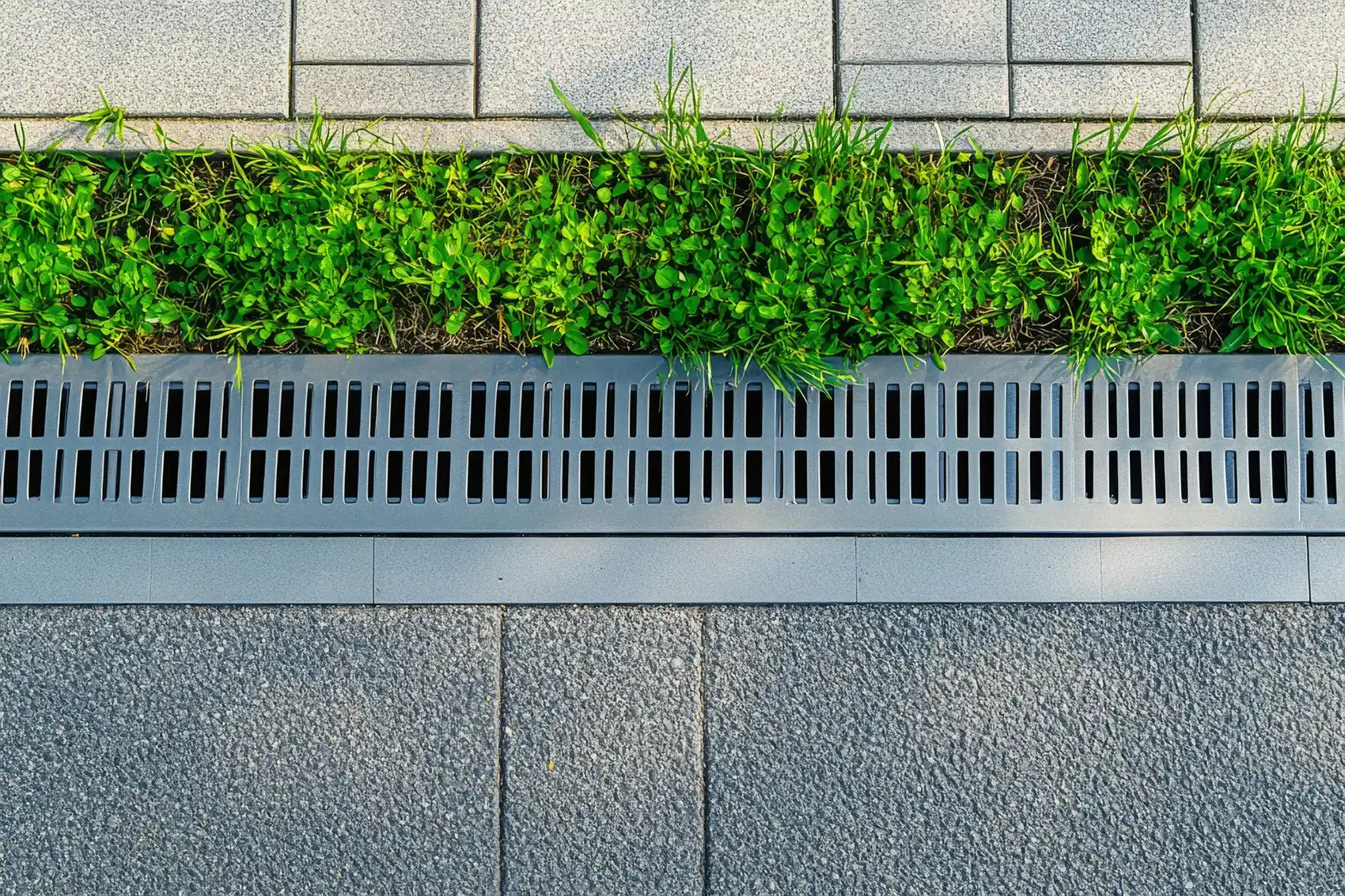
Understanding residential plumbing is a big part of being a homeowner in Australia. We take water for granted, but the network of pipes behind walls and under gardens needs to be managed to work properly. When a blockage occurs, it’s rarely a sudden event but rather the culmination of daily habits and environmental factors that gradually restrict water flow. Knowing the main culprits behind these blockages can save homeowners a lot of stress and prevent the need for emergency repairs. Experts in the field, like those providing professional drain clearing in Melbourne, say education is the first line of defence against plumbing failures. By knowing the most common causes of blockages, residents can adopt proactive habits that protect their property and the wider municipal infrastructure. Seek more information online if you need help. Blogs such as this one explaining how to unblock a drain outside can provide you with a lot of important information.
The Build Up of Kitchen Fats and Oils
One of the most common causes of stubborn blockages starts in the heart of the home. Many homeowners think that liquid fats, oils, and grease can be safely washed down the sink if accompanied by hot water. But as these substances travel through the cooler parts of the plumbing system, they congeal and solidify. This creates a waxy lining along the inside of the pipes that traps food scraps and other debris. Over time, this layer builds up until the water flow is completely blocked. This is a big problem because the blockage often forms deep in the pipes, making it difficult to reach with standard household tools. To avoid this, you should scrape plates into the bin and collect cooking oils in containers for separate disposal rather than pouring them down the drain.
The Hidden Dangers of Foreign Objects
The plumbing system is designed to handle water, human waste, and biodegradable toilet paper. Unfortunately, many modern convenience items are flushed daily despite being unsuitable for the sewerage system. Items like wet wipes, even those labelled as flushable, do not break down in the same way as traditional toilet paper. When these wipes enter the pipes, they snag on small imperfections or joins and start to catch other materials. Similarly, feminine hygiene products, cotton buds, and dental floss are common culprits that cause big blockages. These items are very resilient and can create a physical barrier that requires professional help to remove. A strict policy of only flushing the three basics is the best way to ensure the longevity of a bathroom drain.
Hair and Soap Scum in the Bathroom
In the shower and bathroom basin, the main cause of slow drainage is usually a combination of hair and soap scum. As we bathe, loose hair finds its way into the drain, where it easily becomes tangled. When mixed with the fatty acids found in traditional bar soaps, it creates a sticky rope-like mass that clings to the walls of the pipe. This mixture acts like a filter, catching skin cells and other small particles, eventually causing a complete stoppage of drainage. Using hair catchers over the grate of the shower and basin can reduce the amount of organic material that enters the system. Switching to liquid soaps or body washes can also help to minimise the buildup of waxy residue that binds these clogs together.
The Role of Invasive Tree Roots
In many Australian suburbs, the most difficult blockages to manage are those caused by nature itself. Trees are naturally drawn to sources of moisture and nutrients, and the condensation on the outside of a pipe or a tiny hairline crack can attract thirsty roots. Once a root finds its way into a pipe, it grows rapidly in the nutrient-rich environment. These root systems act like a net catching solid waste and toilet paper until the pipe is completely blocked. Because this occurs underground and outside the home, it often goes unnoticed until the drains start to gurgle or overflow. Managing the placement of large trees and shrubs away from the main sewer lines is a critical consideration for any homeowner with a big garden.
Structural Issues and Ground Movement
Sometimes a blocked drain is not the result of what has been put into it but rather a failure of the pipe itself. Australia’s varying soil conditions and weather patterns can cause significant ground movement. As the earth shifts, older pipes made of earthenware or clay can crack, collapse, or become misaligned. These structural failures create an immediate barrier to water flow and provide an entry point for silt and debris. Even modern PVC pipes can suffer if they were not installed with the correct fall or if the bedding material has subsided. When a pipe loses its structural integrity, it creates a recurring problem that simple clearing can not fix. In these instances, a detailed inspection is required to determine if a section of the line needs to be replaced or relined.
The buildup of mineral scale in areas with hard water mineral deposits, such as calcium and magnesium, can accumulate on the inside of pipes and taps. While this process is slow, it can eventually cause the pipe to narrow like plaque in an artery. This reduction in space means even small amounts of waste that would normally pass through freely will get caught. High mineral content can also affect the efficiency of water-using appliances and create further maintenance issues. While less common than grease or hair clogs, mineral scale is a persistent factor that can exacerbate other drainage problems over time.
Developing Better Drainage Habits
Prevention is always cheaper than a cure when it comes to plumbing. Developing a few simple household rules can reduce the likelihood of a major blockage. For example, never use the toilet as a rubbish bin and be mindful of what goes down the kitchen sink. Periodically flushing drains with natural solutions like bicarb soda and vinegar can help break down minor organic buildup before it becomes a problem. Also, keep an eye on the speed of drainage. If a sink starts to empty more slowly than usual, it’s an early warning sign that an obstruction is forming. Addressing these signs early can prevent the mess and inconvenience of a complete backup. Know when you need a plumber to clear your drain!
When to Seek Expert Assistance
While many homeowners try to fix minor clogs with a plunger or retail chemical cleaners, these methods are often just a temporary fix. Chemical drain cleaners can be harsh on the environment and the pipes themselves, and can cause corrosion. If a blockage persists or recurs frequently, it’s an indication of a more serious underlying issue that requires specialist knowledge. Modern plumbing technology, such as high-pressure water jets and CCTV drain cameras, allows for a precise diagnosis and solution without the need for destructive digging. Seeking help from a qualified plumber ensures the root cause of the problem is fixed, protects the home from future water damage, and keeps the household environment clean.