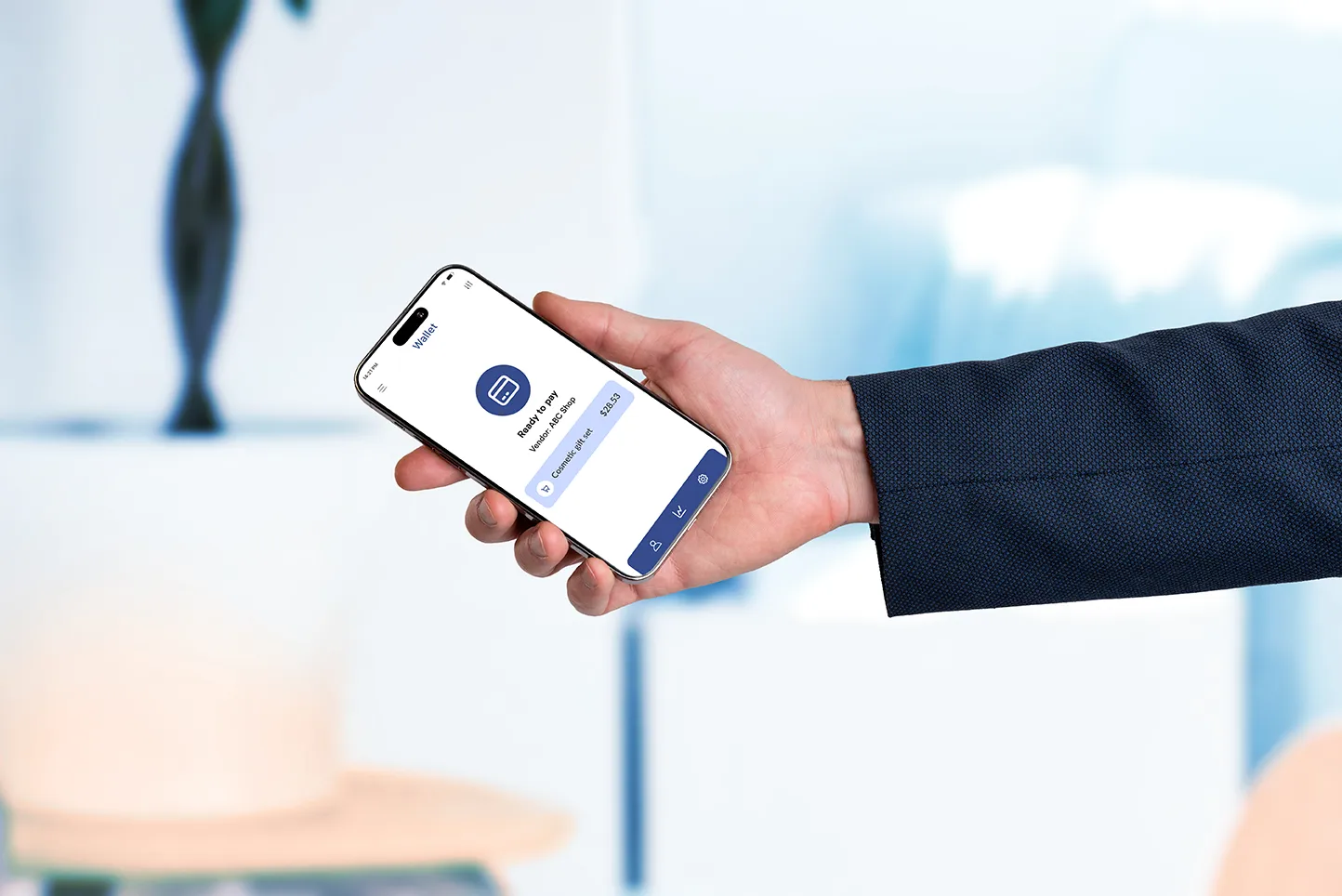
SMS-based account verification has become a mandatory step across social networks, messaging apps, and digital platforms. As services tighten identity checks, users increasingly rely on solutions that allow them to receive sms online without linking registrations to a personal phone number. Platforms such as SMS-MAN operate within this growing segment by providing temporary numbers specifically designed for SMS verification during account creation.
The demand for temporary phone numbers is driven by stricter enforcement against duplicate accounts, automated registrations, and regional access limitations. For marketers, developers, and privacy-focused users, short-term virtual numbers offer a way to complete required SMS verification while keeping primary phone numbers out of registration flows.
How Temporary Phone Number Services Work
The operational model behind temporary phone numbers is largely uniform.
Users select a country and a target platform—such as a social network or messaging service—and receive access to a phone number for a limited time, typically between 10 and 30 minutes. This number is entered during registration, and the SMS verification code is delivered through an online interface. Once the session ends, the number is released or permanently removed from circulation.
Many services provide access to numbers from more than 30 countries, enabling registrations tied to specific regions and allowing users to work with geographically restricted platforms.
Types of Temporary Numbers
Temporary numbers used for SMS verification generally fall into three categories:
- One-time numbers are intended for a single registration and discarded immediately after use.
- Rented numbers, available for several days or months, offering limited continuity for ongoing projects.
- Free and paid options, which differ in reliability, country coverage, and verification success rates.
Each type balances cost, convenience, and stability depending on the registration scenario.
Common Use Cases
Social media registration
Temporary numbers are widely used to create secondary, test, or disposable accounts, as well as to re-register after account restrictions.
Messaging platforms
Applications such as WhatsApp, Telegram, and Signal require SMS confirmation. Virtual numbers allow users to complete verification without exposing personal phone numbers.
Service testing and development
Developers and QA teams use temporary numbers to test onboarding and verification flows without consuming real SIM cards.
Access to region-specific platforms
Country-based numbers enable registration on services limited to specific geographic markets.
Spam risk reduction
Using a temporary number for one-time sign-ups helps prevent spam from reaching a primary phone number.
Risks and Limitations
Despite their practicality, temporary phone numbers come with clear limitations.
Many platforms actively detect and block accounts registered using virtual numbers, particularly on social networks with strict anti-fraud systems. There is also the inherent risk that access to a temporary number may be reused or technically retained, which can compromise account security.
Additionally, once a number expires, password recovery via SMS is usually impossible. In some cases, the use of temporary numbers may violate platform terms of service, creating potential account or compliance risks.
Alternatives to Temporary Numbers
Users seeking greater stability often consider alternative solutions:
- Prepaid SIM cards, which allow long-term use but require physical purchase and availability.
- Virtual mobile operators offering more persistent numbers but limited regional coverage.
- Mobile proxies paired with phone numbers provide higher registration success rates at the cost of complexity and expense.
Conclusion
Temporary phone numbers have become an integral tool in an environment of increasingly strict SMS verification requirements. They are effective for short-term registrations, testing workflows, and protecting personal phone numbers, but they are not suited for critical or long-lived accounts.
For projects that require continuity and recovery options, more stable solutions such as rented SIM cards or operator-issued virtual numbers remain preferable. In all cases, users should treat services that allow them to receive sms online as tactical tools rather than permanent identity solutions.