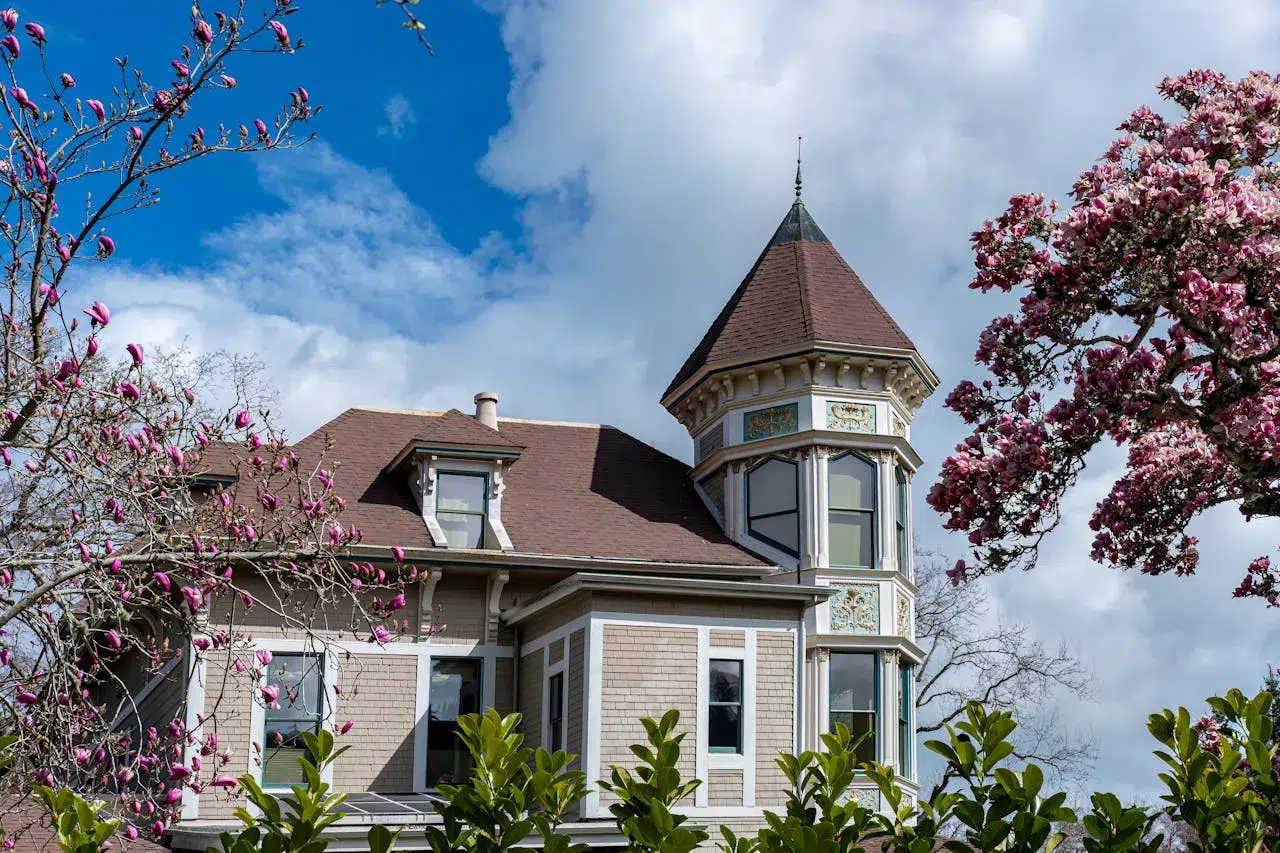
Many historic homes lose their charm slowly, not all at once. A repair here, a replacement there, and over time, the original character starts to fade. Homeowners often focus on big upgrades, thinking a new roof or fresh paint will bring everything together. In reality, it’s the smaller details that shape how a home looks and feels. Things like roof materials, window proportions, and metalwork quietly define the entire structure. When those details are ignored or replaced with modern shortcuts, the home starts to feel off—even if everything is technically “fixed.”
Understanding these hidden elements helps you protect the home’s identity and avoid costly mistakes that are hard to reverse later.
Why Original Roofing Materials Still Matter
Roofing sets the tone for the entire home, especially in historic properties. Materials like slate were chosen for a reason. They matched the architecture, handled local weather, and aged in a way that added character instead of looking worn out. When homeowners replace these materials with modern shingles, the difference shows immediately. The texture, thickness, and color variation disappear. Repairs should focus on preserving what’s already there whenever possible. Even small sections can often be restored instead of replaced. Matching materials matters too. Using something close enough rarely looks right once it’s installed. Taking time to source the correct material—often with guidance from a reliable slate roofing company—keeps the roof consistent and protects the home’s overall appearance.
The Role of Copper and Metal Accents
Copper and other metals do more than manage water. They add depth and detail that many modern homes lack. You’ll often find copper in flashing, gutters, and decorative trim. Over time, it develops a natural finish that blends well with older materials. Replacing these elements with standard aluminum or plastic parts creates a noticeable mismatch. The color, texture, and aging process are completely different. Maintenance is usually straightforward. Cleaning debris and checking joints prevents most issues. When repairs are needed, matching the original material keeps everything consistent. Custom fabrication may be required in some cases, especially for older designs. These metal details may seem small, but they play a big role in how complete the home looks.
Masonry Details That Add Real Depth
Brick and stonework carry a lot of visual weight in historic homes. The way bricks are laid, the size of the joints, and the color of the mortar all contribute to the final look. Over time, mortar can wear down and need repair. This is where many homeowners run into trouble. Using the wrong type of mortar or the wrong color can make the repair stand out in a bad way. It can also damage the brick itself if the material is too hard. Proper repointing requires careful matching and a light touch. Cleaning methods matter as well. Harsh techniques can strip away the surface and leave the wall looking flat. Preserving these details keeps the structure looking authentic.
Windows That Define the Home’s Character
Windows do more than bring in light. Their size, spacing, and design help define the entire exterior. Historic homes often have wood windows with multiple panes and detailed trim. Replacing them with modern units can change the look instantly. The proportions shift, and the depth around the frame disappears. In many cases, original windows can be repaired instead of replaced. Fixing the frame, updating seals, and restoring the glass keeps the original design intact. It also maintains the way the window sits within the wall. If replacement is necessary, custom options that match the original layout work best. Paying attention to these details helps keep the home consistent and avoids a mismatched appearance.
Landscaping Choices That Complement Historic Architecture
Landscaping plays a quiet but important role in how a historic home is perceived. The layout, plant choices, and hardscape elements should feel consistent with the home’s age and style. Many older homes originally featured simple, structured gardens with defined paths, low stone borders, and region-appropriate plants. Overly modern designs or exotic plants can feel out of place and distract from the home itself. It helps to look at historic photos or research common landscaping styles from the same period. Maintenance matters just as much as design. Overgrown shrubs can hide architectural details, while poorly placed trees can affect the structure over time. Thoughtful landscaping supports the home without competing for attention.
Exterior Trim That Frames Every Detail
Trim and woodwork define the edges of a historic home. You’ll see it around windows, under the roofline, and along corners. These pieces were often handcrafted, with patterns that added depth and shadow. Over time, trim can rot or warp, especially if water gets behind the paint. Quick fixes like covering it with new material usually flatten the look. Proper repair means removing damaged sections and matching the original profile as closely as possible. Paint also plays a role. Thick layers can hide fine details, while the wrong color can make the trim stand out in the wrong way. Regular upkeep keeps these elements sharp and helps the home maintain its original structure.
Choosing Colors That Fit the Era
Color choices can either support a historic home or make it feel disconnected. Many older homes used specific palettes based on the time period and available materials. These colors often highlight architectural details instead of hiding them. Modern trends sometimes lean toward flat or overly bright shades, which can take away from the structure. Researching original color schemes gives you a solid starting point. Paint analysis or local archives can help if you want accuracy. Even without that, choosing tones that match the home’s style usually works better than following current trends. Testing colors in natural light is important. The way a shade looks during the day can differ from how it appears in samples.
Historic homes stand out because of the details that were built into them from the start. These elements were chosen with purpose, and they work together to create a balanced look. When repairs or updates ignore those details, the home starts to lose its identity. Paying attention to materials, shapes, and finishes helps keep everything aligned with the original design. Most issues can be handled with careful maintenance and the right approach. The goal is to preserve what already works instead of replacing it with something easier. When done properly, these small decisions keep the home looking consistent and help it age in a way that still feels authentic.