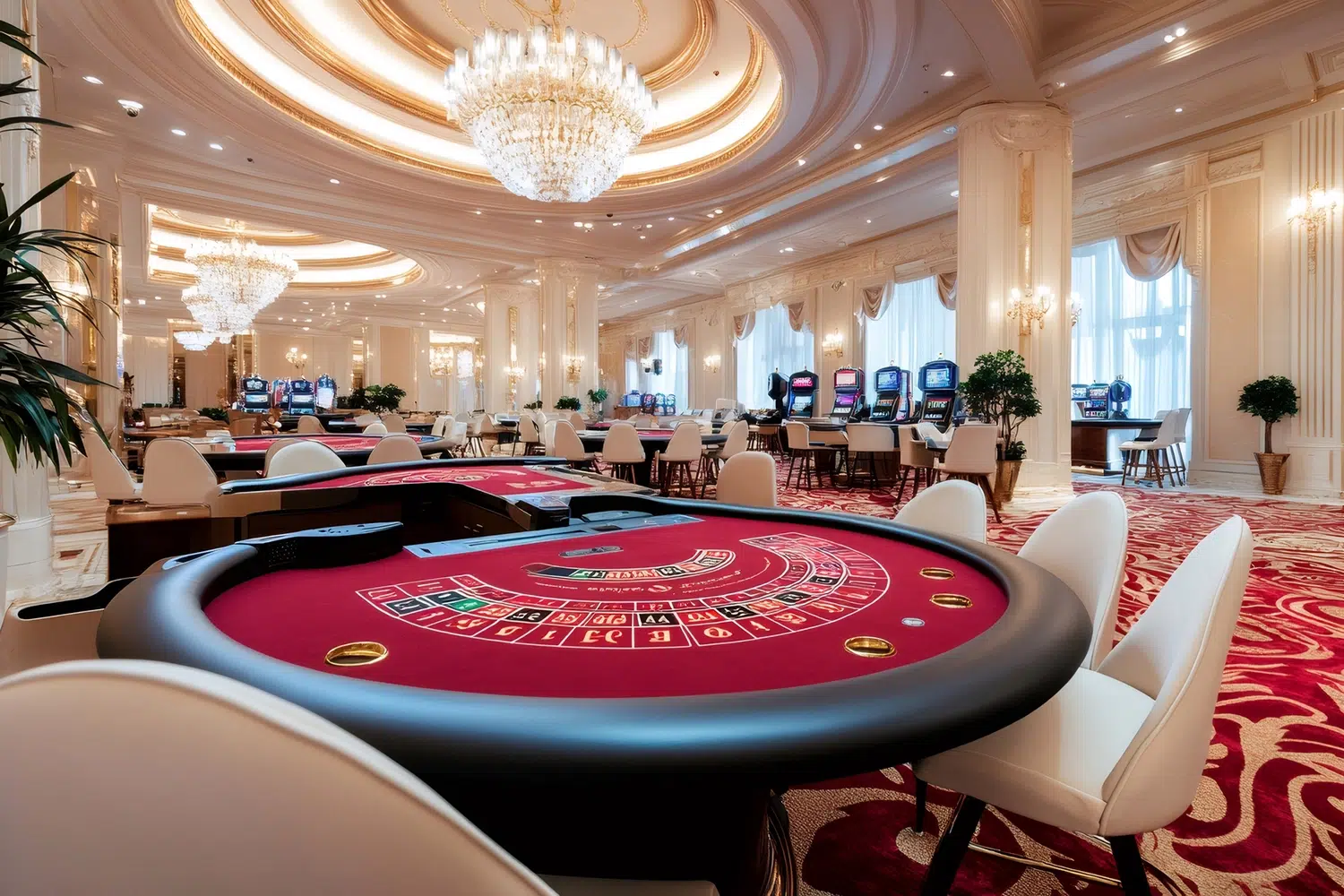
Casinos have always been more than just gaming venues; they are cultural institutions that embody glamour, sophistication, and exclusivity. From their earliest days in Europe to the modern digital platforms of today, casinos have cultivated an image of luxury that continues to attract players from around the world. Much like platforms such as Bally Bet, which blend tradition with modern innovation, the casino industry has consistently aligned itself with luxury to enhance its appeal and prestige.
Origins in Europe
The relationship between casinos and luxury can be traced back to 17th-century Italy, where the first recognised casino, the Ridotto in Venic,e was established in 1638. Designed to regulate gambling during carnival season, the Ridotto was not simply a gaming hall; it was a lavish venue where aristocrats gathered in opulent surroundings. This set the precedent for casinos as places of refinement and exclusivity.
The Rise of Monte Carlo
By the 19th century, Monte Carlo had become synonymous with luxury gaming. The Monte Carlo Casino, opened in 1863, epitomised elegance with its grand architecture, fine dining, and association with European royalty. It was here that the casino became firmly linked with wealth, glamour, and high society. Monte Carlo’s reputation cemented the idea that casinos were not just about gambling, they were about experiencing luxury.
Las Vegas and the American Dream
In the 20th century, Las Vegas transformed the casino industry. Initially a desert town, it grew into a global entertainment capital. Casinos around Vegas combine gaming with luxury hotels, fine dining, and spectacular shows. The integration of luxury into the casino experience attracted tourists from across the world, turning Las Vegas into a symbol of indulgence and excess.
The Modern Casino Experience
Today, casinos continue to emphasise luxury. High-end resorts in Macau, Singapore, and Dubai offer not only gaming but also five-star accommodation, Michelin-starred restaurants, and exclusive shopping experiences. The casino floor is just one part of a broader luxury lifestyle package, appealing to affluent travellers and high-rollers alike.
Digital Transformation
The rise of online platforms has redefined the relationship between casino and luxury. While digital gaming lacks the physical grandeur of traditional venues, leading platforms replicate the sense of exclusivity through design, branding, and premium experiences. A well-designed casino site often mirrors the sophistication of luxury resorts, offering immersive graphics, themed games, and VIP programmes that cater to discerning players.
Cultural Symbolism
Casinos have also become cultural symbols of luxury in film, literature, and fashion. From James Bond’s glamorous casino scenes to Hollywood depictions of Las Vegas, the association between gaming and opulence is deeply ingrained in popular culture. Casinos are portrayed not just as places to gamble, but as settings for elegance, intrigue, and high-stakes drama.
The Future of Casino and Luxury
Looking ahead, the relationship between casino and luxury is likely to deepen. Innovations such as virtual reality and augmented reality will allow digital platforms to replicate the grandeur of physical casinos. Luxury partnerships with fashion houses, watchmakers, and premium brands may further enhance the exclusivity of the casino experience. Sustainability and eco-conscious design will also play a role, ensuring that luxury casinos remain relevant in a changing world.
Conclusion
The history of the relationship between casino and luxury reveals a consistent theme: gaming has always been intertwined with glamour, exclusivity, and sophistication. From the Ridotto in Venice to Monte Carlo, Las Vegas, and modern digital platforms, casinos have cultivated an image of indulgence that continues to captivate audiences. Just as a casino site today mirrors the elegance of traditional venues, the industry’s future lies in blending timeless luxury with modern innovation.