For generations, accessories have been more than finishing touches. A watch, a pair of sunglasses, a handbag or a piece of jewellery has always reflected personal identity, taste and culture. Today, as technology becomes increasingly integrated into everyday life, a new category of accessories is emerging — one where design meets intelligence.
The future of style is no longer defined only by craftsmanship, materials or heritage. It is also shaped by how seamlessly an accessory can enhance the way we experience the world. Artificial intelligence is becoming part of this evolution, transforming familiar objects into tools for creativity, connection and self-expression.
From Fashion Statements to Intelligent Companions
The most exciting developments in fashion technology are not about making accessories feel more futuristic — they are about making technology feel more natural. The next generation of designer accessories is moving away from visible screens and complicated interfaces, instead focusing on products that blend effortlessly into everyday life.
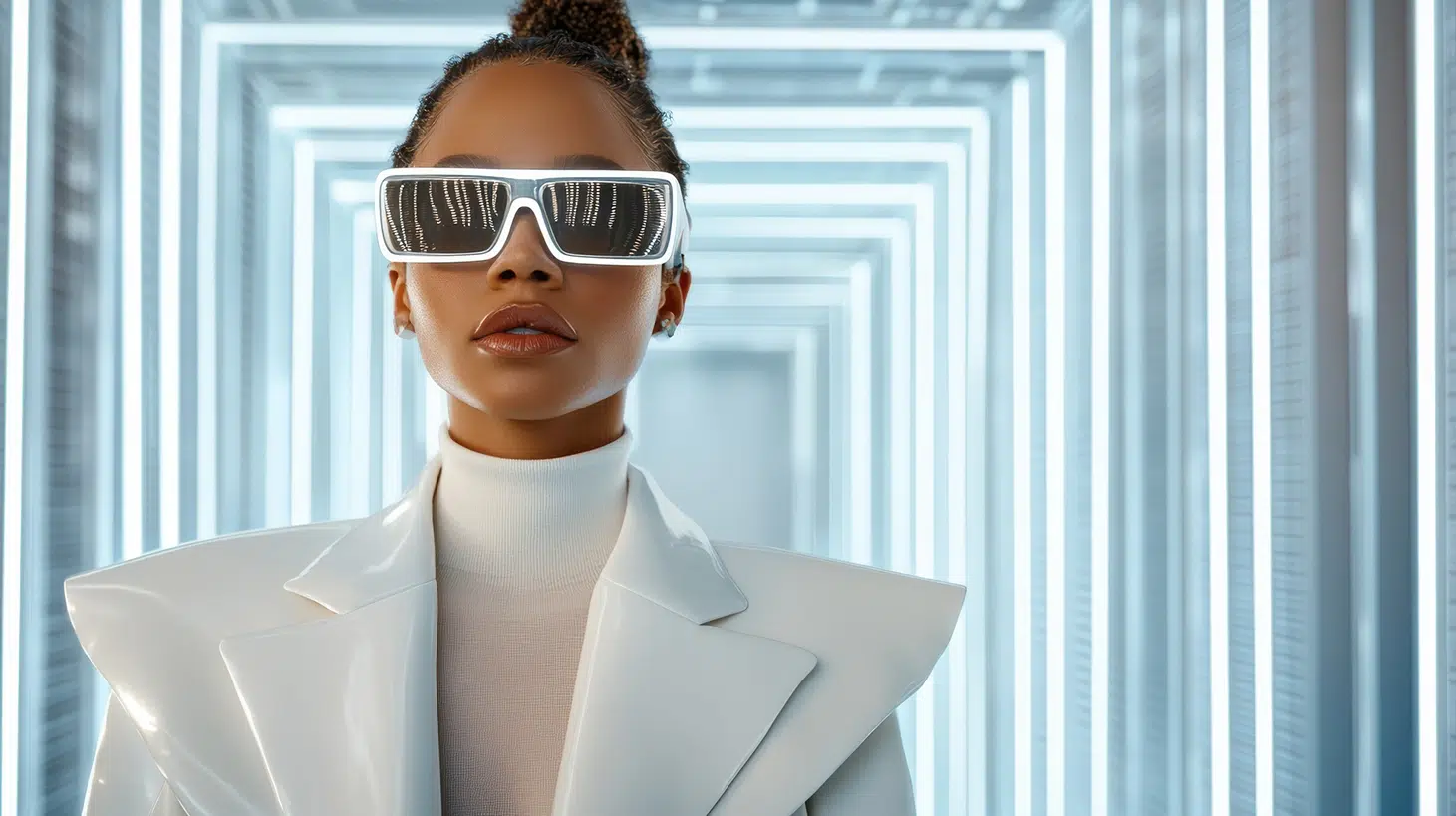
Glasses have always been one of fashion’s most recognisable accessories, balancing function with personal style. Now, with artificial intelligence integrated into their design, they are becoming more than something we wear — they are becoming a way to interact with our surroundings.
Meta AI glasses reflect this changing relationship between fashion and technology. By combining the timeless appeal of eyewear with AI-powered features, they demonstrate how accessories can evolve while remaining rooted in style and individuality.
The Rise of Seamless Luxury
Luxury has always been connected to innovation. From precision watchmaking to advanced materials in fashion, the industry has continuously embraced new ways to combine beauty and performance. AI-powered accessories represent the next stage of this journey.
The appeal of intelligent accessories lies in their ability to simplify everyday experiences. Whether helping capture spontaneous moments, supporting creativity or providing more intuitive ways to engage with technology, these products are designed around human behaviour rather than demanding attention.
This marks a shift in how we think about luxury. The most desirable accessories of the future may not simply be those that display wealth or exclusivity — they may be those that enhance everyday life in subtle and meaningful ways.
AI as a New Form of Personal Expression
Fashion has always been a form of storytelling. The clothes we choose, the accessories we wear and the brands we connect with all communicate something about who we are. AI introduces a new dimension to that expression by allowing technology to become more personal.
For creators, artists and digital storytellers, intelligent accessories offer new possibilities for capturing and sharing experiences. Instead of stepping away from the moment to interact with a device, technology can become part of the experience itself.
The Art of Craft in the Age of Intelligence
One of the most common anxieties surrounding the rise of AI in fashion is what it might mean for the human hands behind it. Yet the most thoughtful applications of artificial intelligence in accessories are not about displacing craftsmanship — they are about deepening it.
Skilled artisans have always worked with the tools of their era. Watchmakers adopted precision machinery. Jewellery designers embraced CAD modelling. AI represents the next evolution in this long tradition of combining human expertise with emerging technology. When a designer uses AI to explore thousands of variations of a silhouette, or to identify the exact structural properties of a new material, they are not surrendering their creative voice — they are amplifying it.
This collaboration between human intuition and machine intelligence is already shaping some of the most interesting work in contemporary accessories. Design houses are experimenting with AI-assisted pattern generation, using algorithms to surface unexpected combinations that a designer then refines and elevates.
The Overlap of Sustainability and Smart Design
The fashion industry has long grappled with its relationship to the environment. Overproduction, material waste and shortened product life cycles have shaped a model that is increasingly difficult to defend. AI offers a meaningful opportunity to rethink how accessories are conceived, produced and used.
At the design stage, machine learning can reduce the waste inherent in traditional sampling processes. Instead of producing dozens of physical prototypes, designers can test proportions, materials and finishes in virtual environments, committing to production only when a design is ready. This approach does not simply save resources — it often produces better outcomes, because iteration becomes faster and less costly.
AI also has a role to play in extending the life of the accessories we already own. Intelligent care recommendations, predictive maintenance alerts for fine watches, or platforms that help owners understand the resale or restoration value of a piece all contribute to a more considered relationship between consumer and object.
There is a broader cultural shift at work here too. As AI makes it easier to create accessories that are genuinely personalised — designed around an individual’s measurements, tastes and lifestyle — the appeal of buying more, faster, begins to diminish. When something is made thoughtfully for you, it tends to be kept. That is a quiet but significant disruption to the cycles of disposability that have defined fast fashion.
The Future of Accessories Is Intelligent
As artificial intelligence continues to develop, the relationship between fashion and technology will become even more connected. The accessories of tomorrow will not simply be designed to look good — they will be designed to understand, adapt and support the people wearing them.
The new era of designer accessories is not about choosing between style and innovation. It is about recognising that the two can exist together. The future of fashion will belong to pieces that combine thoughtful design, intelligent technology and the ability to enrich the way we experience the world.