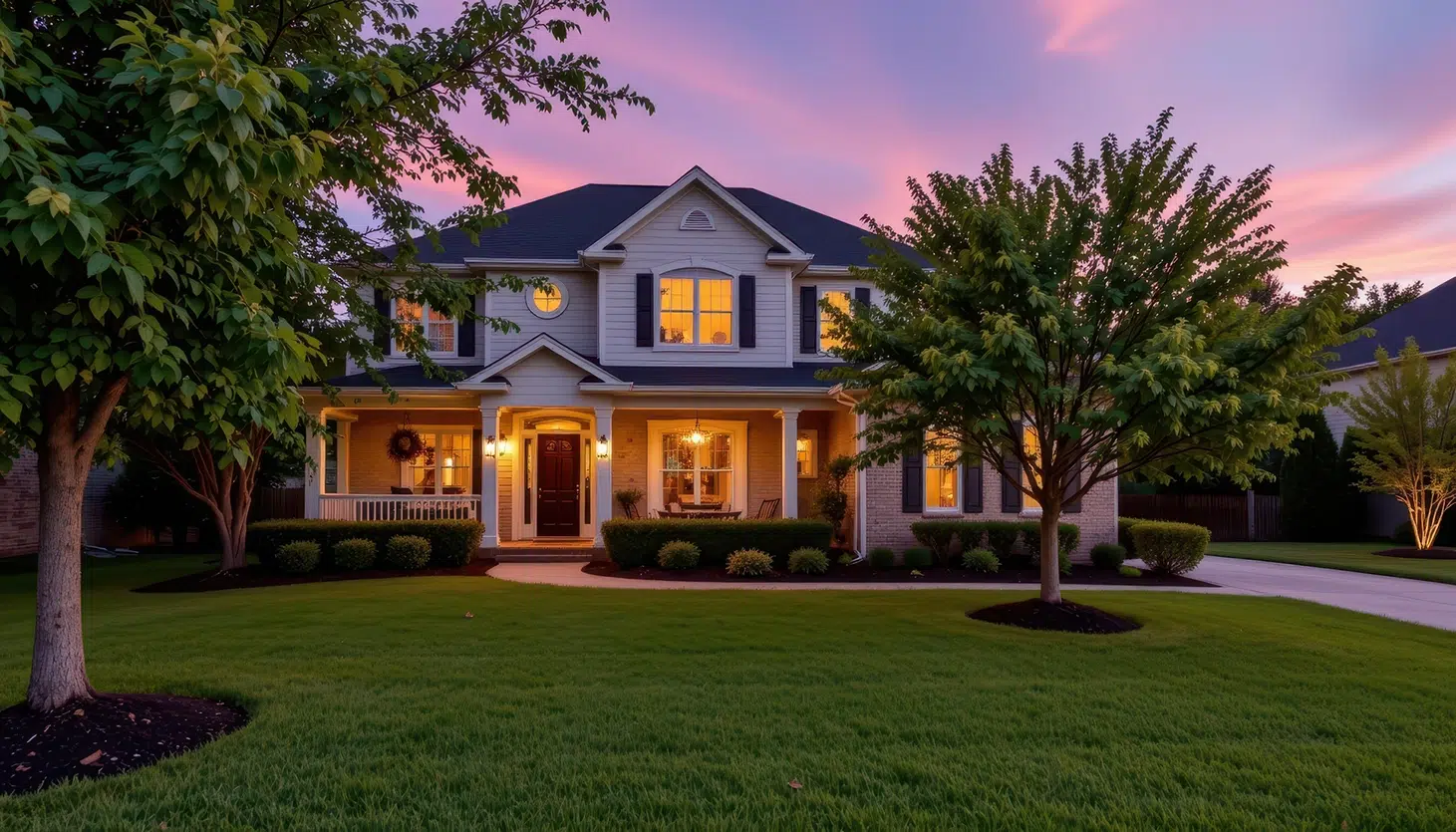
In the world of high-end real estate, the definition of luxury is constantly ascending. While expansive, sprawling estates were once the peak of prestige, the modern connoisseur of fine living is looking upward. In metropolitan hubs and exclusive coastal enclaves alike, the trend toward “vertical luxury” has transformed the architectural landscape. Today’s premier residences are no longer measured solely by their horizontal footprint, but by the sophistication of their vertical integration.
As we move through 2025, the luxury home has evolved into a multi-story sanctuary that seamlessly blends cutting-edge technology with bespoke craftsmanship. From triplex penthouses overlooking the Manhattan skyline to five-story glass villas in the hills of Dubai, the focus is on creating a fluid, effortless experience between levels.
The Vertical Revolution: Architecting the Multi-Story Sanctuary
The shift toward verticality is born of both necessity and aesthetic ambition. In dense urban environments, space is the ultimate commodity, leading architects to design homes that maximize height without compromising on the feeling of openness. This “Super-Loft” or “Vertical Estate” concept requires a rethink of traditional floor plans.
Instead of isolating rooms by floor, modern designers are utilizing double-height ceilings, floating staircases, and internal glass galleries to maintain a sense of connectivity. The goal is to ensure that a four-story home feels like a cohesive whole rather than a series of stacked boxes. This architectural philosophy often draws from biophilic design principles, which emphasize the integration of natural light and greenery throughout every level of the home, ensuring that even the most central rooms feel connected to the outdoors.
The Statement of Ascent: Integrating the Luxury Home Elevator
Perhaps the most significant advancement in this vertical movement is the transformation of the residential lift. Long regarded as a purely functional—and often unsightly—necessity, the modern luxury home elevator has emerged as a premier design feature.
In the contemporary estate, the elevator is no longer hidden behind heavy doors in a dark hallway. Instead, it is celebrated as a centerpiece of the home’s interior architecture. We are seeing a surge in demand for shaftless, panoramic glass elevators that offer an unobstructed 360-degree view of the residence as one travels between floors. These systems represent the pinnacle of “invisible engineering,” utilizing slim-profile rails and quiet, vibration-free motors that allow the capsule to glide through the home with ethereal grace.
Form Meets Function: Customizable Finishes and Bespoke Engineering
The beauty of a high-end residential lift lies in its ability to be personalized to the homeowner’s exact aesthetic. For a minimalist “Quiet Luxury” aesthetic, designers might opt for a clear polycarbonate capsule with brushed stainless steel accents. For those seeking a more traditional opulence, the interior can be lined with hand-stitched Italian leather, rare wood veneers, or even custom-veined marble flooring that matches the rest of the foyer.
Beyond aesthetics, these lifts solve the fundamental challenge of multi-story living: accessibility. As more high-net-worth individuals seek to “age in place,” the integration of a sophisticated vertical transport system ensures that the home remains a “forever” sanctuary, providing effortless mobility for guests of all ages and abilities.
Sustainable Sophistication and Invisible Tech
In 2025, luxury is synonymous with responsibility. The most prestigious new builds are now incorporating sustainable technologies that are as efficient as they are unobtrusive. This movement toward “Green Opulence” is largely guided by the U.S. Green Building Council’s standards, which encourage the use of low-impact materials and energy-efficient systems.
Modern luxury homes are now equipped with:
- AI-Driven Climate Control: Systems that learn the residents’ habits to optimize temperature and air quality in real-time.
- Circadian Lighting: Intelligent LED arrays that mimic the natural path of the sun, shifting from cool, energizing tones in the morning to warm, amber hues in the evening to support the body’s natural sleep-wake cycle.
- Smart Glass: Windows that automatically tint to reduce solar heat gain while preserving the panoramic views that define high-rise living.
By integrating these features, the modern estate becomes a self-regulating ecosystem that prioritizes the well-being of its inhabitants while maintaining a minimal carbon footprint.
Wellness at the Core: The Residential Spa and Beyond
The modern affluent homeowner views their residence as a temple of wellness. The “home gym” has been replaced by comprehensive “wellness suites” that rival the world’s most exclusive five-star resorts. These spaces are often located on higher levels or rooftop terraces to provide a serene escape from the bustle of the street below.
The Rise of the Holistic Suite
We are seeing a profound shift toward recovery-focused amenities. It is now common to find integrated cold plunge pools, infrared saunas, and salt-wall meditation rooms within the private residence. These features are often paired with advanced air and water filtration systems that ensure every element of the home environment is optimized for health.
Indoor-Outdoor Flow
In the luxury sector, the transition between the interior and the terrace must be seamless. Retractable glass walls that disappear into the structure are a staple of 2025 design, allowing a penthouse living room to transform into an open-air pavilion in seconds. These outdoor spaces are now fully equipped with heated flooring, all-weather cinematic systems, and lush vertical gardens that provide both privacy and a connection to nature.
The Future of High-End Habitation
As we look toward the future of the luxury home, the focus remains on the “bespoke experience.” The goal of modern architecture is to remove the friction from daily life, allowing the homeowner to move through their space with a sense of ease and wonder.
Whether it is the quiet hum of a home elevator ascending toward a rooftop garden or the subtle shift of circadian lights as the sun sets over the city, the modern residence is an intricate dance of technology and art. We are no longer just building houses; we are creating highly personalized environments that adapt to our needs, protect our health, and elevate our spirits.
In the world of Upscale Living, the height of a home is no longer just a measurement—it is a reflection of the heights of our imagination. The vertical estate is here to stay, and it has never looked more beautiful.