Building design is the creative art of making homes look beautiful and work well for families. When people look at a nice home, their eyes scan its visual balance. They notice front doors, large windows, and outer wall colors.
However, the main feature that crowns the whole house is the roof design. A roof is far more than a plain cover to keep out rain and snow. It serves as a major design element for the property.
It dictates how a building interacts with natural light, scale, and nearby nature. In custom home design, true style rarely happens by accident. It comes from clear creative vision, smart choices, and good planning.
The pitch, shape, and materials of a roofline set its visual style. A steeply sloped roof can make a house look tall and grand. On the other hand, a flat roof shows modern simplicity.
Today, smart homeowners and builders focus heavily on how roofs make homes look better. Understanding roof design ideas helps property owners make great decisions.
A well-planned roofline can easily turn a basic house frame into a work of art. By looking at classic shapes, modern materials, smart engineering, and new trends, we see how roof design brings lasting beauty to every home.
The Basic Shapes of Great Roofs
The overall shape of a roof sets the main visual story for every home. Before a guest notices wall textures or wooden doors, the roof outline shapes their first look. Roof shape controls how a building meets the sky.
It also sets the visual rhythm for everything below it. Steep slopes feel tall and grand by directing attention upward. Meanwhile, low horizontal lines anchor a house comfortably into its natural setting.
Pitch and slope serve as key tools in building design and structural balance. A steep roof pitch creates sharp shadow lines and strong vertical lines. Historically, high pitches showed wealth and fame in classic European homes.
Tall gables and mansard shapes allowed historic manors to stand out over surrounding lands. In contrast, low roof slopes present a soft and relaxed visual style. They allow local landscapes to remain the main focus while giving the building a grounded feel.
By changing slope angles, builders control visual weight. This makes large homes look lighter or small homes feel very solid. Combining several roof shapes adds visual interest and structural depth to custom homes.
Rather than building a single massive block, modern roof plans divide large square footage into balanced clusters. Secondary gables mark specific living areas inside the house.
They point out master bedrooms, quiet sitting rooms, or spacious garage bays. This smart technique keeps large properties from overwhelming their neighborhood plots. It turns large living spaces into nice groups of connected building shapes.
Shadow patterns represent another important aspect of smart roof design. Wide eaves project changing shadow lines across outer walls throughout the day. This adds constant movement to the home facade.
Shifting shadows show off structural depth and highlight wall textures. They give the property an evolving look as the sun moves across the sky. Without thoughtful roof shapes, even expensive custom homes can appear flat and dull to passersby.
Classic and Contemporary Roof Profiles
Distinct building styles rely on signature roof profiles to showcase their unique past. Looking at these classic and modern shapes helps builders honor old designs. It also helps them create fresh ideas for today’s living spaces.
The gable roof remains a timeless standard in classic home design. It features two angled sides that meet at a sharp ridge line in the middle. Modern designers refresh the classic gable by increasing slope angles.
They also add large glass walls and use small edge details. These simple changes turn a familiar house shape into a striking design statement.
The hip roof slopes downward on all four sides of the home frame. This design offers balanced support and a clean outline. Its even overhangs create pleasant symmetry, and this look pairs very well with French Country, Mediterranean, and classic suburban home builds.
The mansard roof includes four sides with two distinct slopes on each side. The bottom slope stays much steeper than the upper panel. This classic French style adds grand charm to a house. It also creates extra living space on the top floor for comfortable bedrooms and decorative dormer windows.
Shed and butterfly roofs represent common choices in modern homes. A shed roof tilts in one direction to allow tall window walls that flood interior rooms with bright natural light. A butterfly roof slopes inward toward a central valley line; this creates high outer corners and fun ceiling angles inside the house.
Flat roof profiles serve as a main feature of modern simple design. Designers hide structural slopes behind clean short walls called parapets. This creates crisp horizontal lines that match modern steel frames, large glass panels, and smooth concrete walls.
Building complex roof shapes requires high skill and careful planning. If you plan to build intricate multi-sloped roofs or tall gables with hidden drains, hiring a qualified roofing contractor in Peabody ensures that all seams, metal seals, and materials are installed with excellent weatherproofing. Working with experienced roof crews keeps your home dry, safe, and beautiful through every season.
Balancing your roof profile with wall height requires good math. A roof that is overly heavy can crush the visual balance of a house. Conversely, a roof that is too flat can leave a tall home looking unfinished.
Master builders use simple ratios to balance roof heights with wall size. This creates a natural harmony that feels attractive and well planned to the human eye.
Premium Materials and Texture Synergy
While shape forms the main frame of a roof, construction materials provide the surface texture. Choosing high-grade roofing materials shows quality craftsmanship and respect for nature. Luxury homes use natural materials that age gracefully over time.
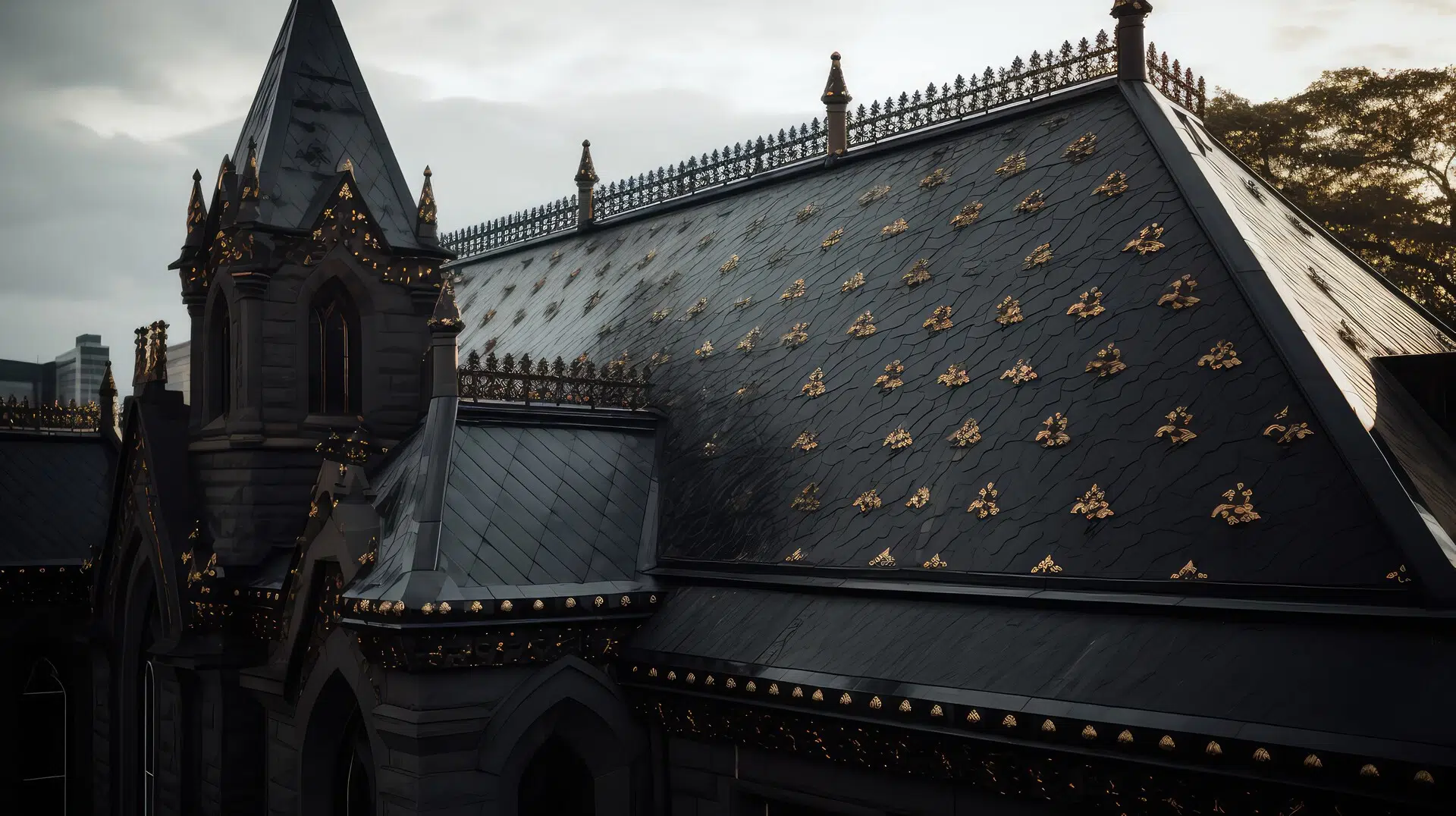
These premium products build rich character over many decades instead of wearing down from weather exposure. Natural slate stands out as one of the most durable roofing materials found today. Mined from stone quarries, slate offers rich color depth, subtle texture changes, and a service life that easily lasts over a century.
Each stone tile features unique edge details that catch sunlight differently. This creates a rich surface across long roof sections. Slate tiles bring instant class to European, Tudor, and luxury estate homes.
Standing seam metal roofing made from copper, zinc, or steel delivers exceptional modern style. Copper roofs change over time from a bright shine to deep brown tones. Eventually, they develop a famous soft green surface layer.
Zinc material gets a natural surface patina that forms a smooth matte gray finish. This makes it ideal for sleek modern home builds. Metal panels create strong vertical lines with raised seams that highlight simple geometric shapes.
Wood shakes made from natural cedar offer rustic warmth and organic style that fake products cannot match. Hand-split cedar shakes bring unique texture to coastal cottages and mountain homes.
Over the years, cedar turns into a soft silver color that helps the house fit naturally into wooded areas. When paired with stone walls and timber frames, cedar roofing creates a strong link between the building and its natural setting.
To make materials look their best, builders follow smart texture mixes:
- Natural slate delivers unmatched durability.
- Copper surfaces age into a patina.
- Cedar shakes add organic texture.
- Zinc metal offers modern precision.
- Clay tiles enhance historic appeal.
Mixing different roofing materials adds pleasant visual layers to custom home design. For example, combining a dark slate roof with copper gutters and metal accents brings warm contrast to light stone walls. Similarly, placing flat zinc roof panels next to warm wooden wall boards bridges the gap between metal structure and home comfort.
Engineering for Strength and Comfort
In luxury home design, real elegance must extend beyond surface appearance. Visual beauty needs strong engineering support, weather protection, and reliable work. A complex roof plan that fails to shed rain, hold heavy snow, or stand up to strong winds can damage the whole house structure.
Therefore, smart roof design mixes creative artistic goals with reliable building science. Water management remains a top focus during custom roof planning. Standard roofs rely on visible gutters and outer metal downspouts.
These parts can break up clean rooflines and clutter wall space. In modern custom homes, builders use hidden gutter systems, internal drain lines, and flush metal seals. Hidden gutters sit inside the eaves or parapet walls.
They keep pipes out of sight while handling heavy rain flow. This allows clean rooflines to remain clear and smooth. Thermal savings and home insulation play big roles in modern roofing.
Quality roofs work as complete protective barriers that keep indoor temperatures steady while reducing energy bills. Solid insulation boards, reflective underlayment sheets, and continuous ridge vents prevent heat buildup during summer. They also stop ice dams from forming during cold winters.
Key engineering choices support home comfort:
- Integrated panels generate clean power.
- Hidden gutters manage water flow.
- Advanced insulation prevents heat loss.
- Reflective coatings lower cooling costs.
- Engineered trusses span wider spaces.
Solar roof tiles represent a major step forward in joining clean energy with great home design. Instead of mounting bulky solar panels on top of finished shingles, these modern systems place solar cells right inside the roof tiles or metal panels. This smart approach allows luxury homes to produce clean solar power without losing their sleek style.
Advanced structural design also enables dramatic roof shapes that seem to defy gravity. Engineered wooden trusses, hidden steel support beams, and metal tie rods allow roofs to project wide overhangs over outdoor patios without bulky support posts.
These deep roof overhangs create smooth transitions between indoor and outdoor spaces. They protect large glass walls from direct heat while forming bold horizontal lines that highlight modern home style.
Modern Trends in Luxury Roofscapes
As modern home design moves forward, fresh architectural trends are turning roof spaces into useful living areas and bold visual statements. Contemporary designers no longer view the roof as unused space. Instead, they treat it as active terrain for outdoor fun, green living, and artistic design.
Green living roofs have become popular additions to eco-friendly custom homes. By placing light soil layers, native grasses, sedum plants, and small shrubs on flat or low-sloped roof sections, builders create living green blankets. These living roofs blend the home into local nature.
Green roofs provide strong sound insulation, reduce winter heat loss, and absorb heavy rain runoff. Visually, they turn upper roof spaces into peaceful garden views for second-story rooms. Another major trend involves installing wide skylights, glass ridges, and open lightwells.
Modern glass tools allow large glass panels to span across roof ridges, filling interior rooms with bright natural sunlight. Long glass slots over staircases, glass roofs above central courtyards, and powered skylights in primary bedrooms remove visual walls between living areas and the open sky.
Top trends shaping modern roofs:
- Green roofs improve environmental balance.
- Deep eaves create dynamic shadows.
- Glass skylights invite natural sunshine.
- Flat parapets accentuate sleek geometry.
- Mixed materials produce rich contrast.
Minimalist eave styles and hidden edge details are also shaping modern roof design. Traditional homes rely on wide wooden trims and molded boards to cover roof edges. Modern designs favor clean zero-eave details where roof surfaces appear to float smoothly right above the walls.
Achieving this look requires careful work, as all air vents, drain slots, and structural joints must fit inside narrow hidden gaps. Finally, built-in outdoor lighting turns modern roofs into night sculptures.
Small LED light strips placed under eave overhangs, subtle accent lights aimed at metal dormers, and soft lighting along roof decks show off the home outline after sunset. Thoughtful lighting transforms the roofline into a welcoming feature of nighttime curb appeal.
Crowning Glory: Elevating Your Home’s Architectural Legacy
The roof is far more than a practical cover against daily weather. It serves as the main visual anchor and crowning glory of every fine residence. From classic gable and mansard shapes to modern flat planes and living garden roofs, roof design establishes the character, balance, and quality of the entire home.
By combining smart geometric shapes, natural materials, hidden drainage systems, and modern architectural trends, builders transform simple structures into lasting home art. Investing in custom roof design ensures that your home provides striking curb appeal, lasting comfort, and timeless beauty for many years to come.
If you’d like to learn more, check out more articles on our blog.
Looking for more tips and ideas? We’ve got you covered. Check out some of our other posts now.