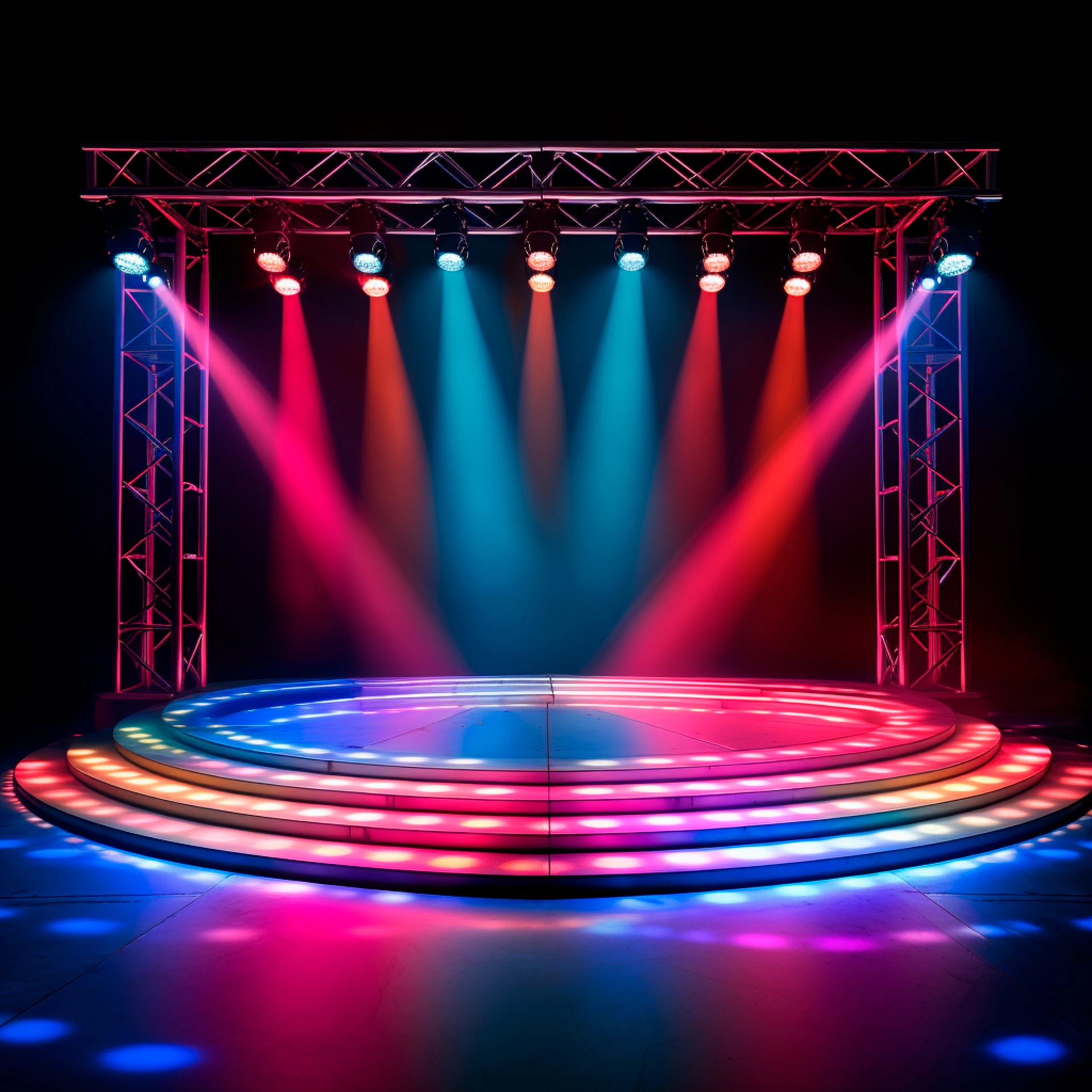
Lighting is one of the most powerful tools available to event planners, wedding designers, and entertainment professionals. It can transform a plain room into a magical space, set the mood for a first dance, or turn a simple stage into an unforgettable performance backdrop.
Whether you are organizing a wedding reception, a corporate party, or a full-scale concert, understanding the basics of stage lighting will help you create an atmosphere that guests remember long after the event ends. In this article, we will walk through the essentials of stage lighting, the equipment used, and practical tips for planning a lighting setup that fits any occasion.
Why Stage Lighting Matters for Every Event
Good lighting does far more than illuminate a room; it shapes emotion, guides attention, and adds energy to any gathering. At weddings, soft and warm lighting creates intimacy, while bright, colorful lighting can energize a dance floor at a party. For concerts and stage performances, dynamic lighting effects keep the audience engaged and highlight key moments in a show.
One of the most versatile tools for achieving these effects is moving head lighting, which allows lighting designers to control direction, color, and pattern in real time. Because these fixtures can pan, tilt, and change colors instantly, they are widely used in weddings, parties, and entertainment venues to create a professional and immersive visual experience without needing dozens of fixed lights.
Understanding the Basics of Lighting Design
Before choosing equipment, it helps to understand a few core principles of lighting design. Lighting is generally divided into three categories: ambient lighting, accent lighting, and effect lighting. Ambient lighting provides general illumination for a space, ensuring guests can move around safely and comfortably.
Accent lighting highlights specific features, such as a wedding arch, a stage, or a dessert table. Effect lighting adds movement, color, and drama, often synchronized with music to create a dynamic atmosphere.
A well-planned event usually blends all three types, layering light sources to build depth rather than relying on a single flat source of illumination. Understanding this layering approach is the first step toward designing a lighting plan that feels intentional rather than accidental.
Choosing the Right Lighting for Weddings and Parties
When it comes to weddings and parties, lighting choices should reflect the tone of the event. A romantic evening wedding often calls for warm white tones, fairy lights, and gentle uplighting along walls or floral arrangements.
In contrast, a high-energy birthday party or club-style event benefits from bold colors, strobe effects, and beams that move with the music. Many event planners now rent complete lighting packages that include controllers, allowing hosts to switch between calm and energetic modes throughout the night.
It is also worth considering the venue itself, since outdoor weddings may require weatherproof fixtures, while indoor venues offer more flexibility for hanging or mounting equipment. Planning lighting around the schedule of the event, from ceremony to reception to dancing, ensures a smooth visual transition as the mood shifts.
Popular Types of Lighting Equipment
There is a wide range of lighting equipment available for events, and knowing the basic categories makes it easier to communicate with vendors or technicians. Wash lights are used to flood a stage or room with color, creating a consistent backdrop.
Spotlights direct focused beams onto a specific person or object, such as a speaker or a performer. Uplights are placed along the floor to highlight walls, columns, or drapery. Among the most commonly used fixtures in this category are par can lights, which are compact, affordable, and produce a strong, even wash of color.
These fixtures are a favorite among event lighting companies because they are easy to set up, reliable, and available in a wide range of colors, making them suitable for everything from small backyard parties to large-scale concerts. Combining these different fixture types allows lighting designers to build a layered, professional-looking setup without an overly complicated rig.
Tips for Setting Up Lighting at Your Venue
Setting up lighting for an event does not need to be complicated, but a few practical tips can make a significant difference.
First, always visit the venue ahead of time to understand the available power sources, ceiling height, and any restrictions on mounting equipment.
Second, plan your lighting layout around the key moments of the event, such as the entrance, the main stage, and the dance floor, rather than lighting the entire space uniformly.
Third, use a dimmer or controller so lighting intensity can be adjusted as the event progresses, since a wedding ceremony and a late-night dance party call for very different lighting levels.
Finally, test all equipment before guests arrive, checking colors, angles, and timing so there are no surprises once the event begins.
For those who want more detailed guidance on selecting the right fixtures for a specific venue or occasion, resources such as https://www.xmlitelighting.com offer additional information on lighting products and setups tailored to parties, weddings, and entertainment events.
Conclusion
Stage lighting plays a central role in shaping the atmosphere of any party, wedding, or entertainment event. From the flexibility of moving fixtures to the reliable, budget-friendly performance of standard wash lights, there is an option suited to nearly every venue and budget.
By understanding the basics of lighting design, choosing equipment that matches the tone of the occasion, and planning the setup carefully, event organizers can create a visual experience that leaves a lasting impression on guests. Whether you are lighting an intimate wedding reception or a large-scale concert stage, thoughtful lighting design is one of the simplest ways to elevate the overall experience of any event.