
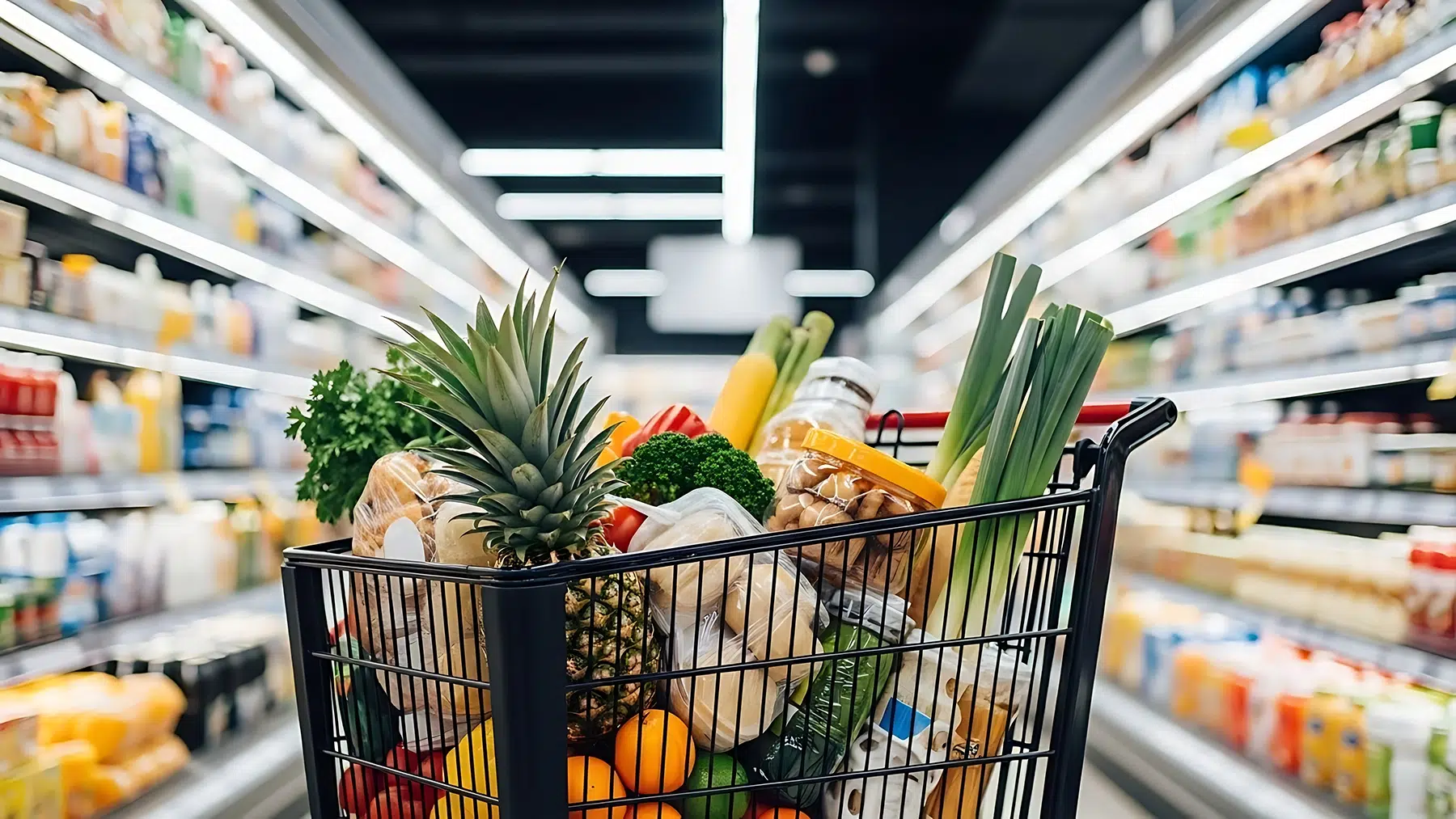
Have you ever looked at your grocery receipt and wondered where all your money went? Food costs can add up quickly, even when shopping for basics.
Many people want to eat well without spending too much. The good news is that saving money at the grocery store is easier than it seems. With some simple changes to your shopping habits, you can stretch your budget and still enjoy tasty meals.
There are many ways to avoid overspending every week. This post will share clear, practical tips to help you cut your grocery bill and keep more money in your pocket.
Plan Your Meals Before Shopping
Planning meals ahead of time is a smart way to save. It helps you know exactly what to buy and avoid last-minute purchases.
Write a simple menu for the week and list all the ingredients needed. Use this list when shopping to stay focused. By sticking to your plan, it’s easier to avoid impulse buys that add up fast.
Make the Most of Sales and Coupons
Check store flyers and apps before you head to the store. Look for discounts, weekly deals, and coupons on items you buy often.
Buying items on sale can save a lot of money over time. If a favorite product is discounted, consider stocking up. Just make sure you only buy what you can use before it expires.
Buy in Bulk and Store Smartly
Buying in bulk often means lower prices per unit. Items like rice, pasta, or canned goods last a long time and are perfect for stocking up.
Make sure to compare prices per ounce or gram to get the best deal. Store food properly to keep it fresh and avoid waste. For drinks or treats, a San Pellegrino bulk buy can give extra savings and convenience.
Choose Store Brands Over Name Brands
Store brands, also called private labels, usually cost less than name brands. Many store-brand products taste just as good as their well-known counterparts.
Try switching to store brands for staples like milk, bread, and cereal. Over time, these small swaps can make a big difference. Saving a little on each item adds up at checkout.
Shop Seasonal and Local Products
Seasonal fruits and vegetables are often cheaper and taste better. Local produce does not have high shipping costs, so it is sometimes less expensive.
Check out farmers’ markets or local stores for good deals. Learn which fruits and veggies are in season in your area. Enjoying seasonal foods can keep your meals fresh and affordable.
Avoid Shopping When Hungry
Going to the store on an empty stomach can lead to unplanned purchases. Hunger makes it harder to resist snacks and treats that are not on your list.
Eat a small meal or snack before shopping. This helps you focus and stick to your budget. Shopping with a clear mind helps you buy only what you really need.
Stretch Every Grocery Dollar Further
Saving money on groceries does not mean sacrificing taste or quality. Small changes in shopping and planning can make a big difference.
Use these tips every week to see steady savings. Remember, it’s about building better habits over time. Smart choices at the store can free up more money for other needs.
Did you like this guide? Please browse our website for more!


