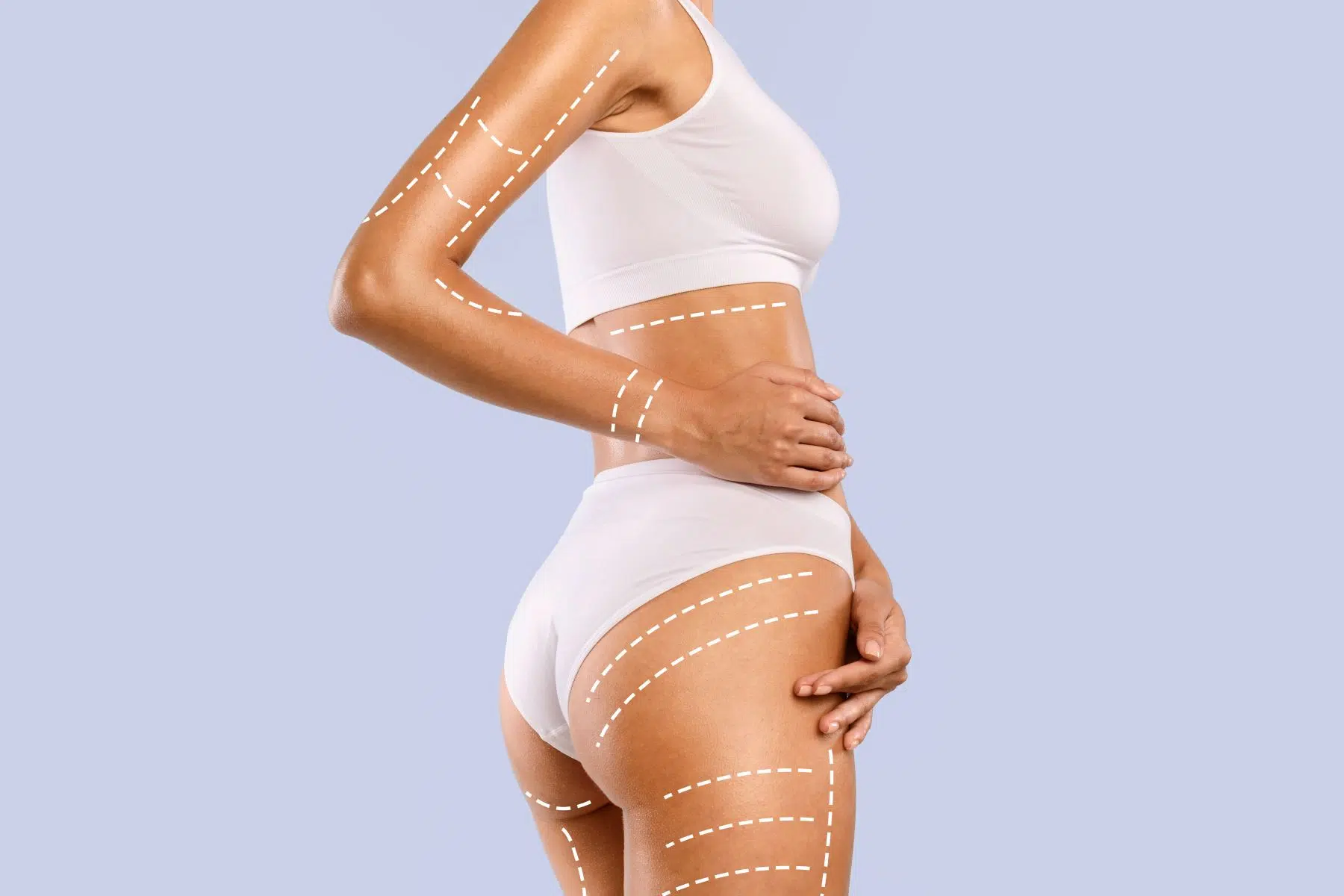
Plastic surgery includes procedures that change, restore, or reshape different parts of the face and body. Some procedures are performed for cosmetic reasons, while others are performed for reconstructive or functional reasons after injury, illness, surgery, or congenital conditions.
Patients may visit a plastic surgery clinic to ask about facial procedures, breast procedures, body contouring, scar revision, or reconstructive surgery. The suitable option depends on the patient’s concern, anatomy, medical history, expectations, and recovery needs.
Cosmetic Plastic Surgery and Reconstructive Plastic Surgery
Plastic surgery may be broadly grouped into cosmetic plastic surgery and reconstructive plastic surgery.
Cosmetic plastic surgery focuses on changing appearance. Patients may ask about cosmetic procedures for the face, eyelids, nose, breasts, abdomen, arms, thighs, or other areas.
Reconstructive plastic surgery focuses on restoring form, structure, or function. It may be considered after trauma, burns, cancer surgery, congenital conditions, wound issues, or previous surgery.
Although the reasons for treatment may differ, both cosmetic and reconstructive procedures require proper assessment. A plastic surgeon may need to review the patient’s health, treatment goals, skin and tissue condition, possible risks, and recovery plan before discussing suitable options.
Facial Plastic Surgery Procedures
Facial plastic surgery involves the eyelids, nose, ears, chin, cheeks, jawline, neck, and other facial areas. Patients may ask about these procedures when they have concerns about facial structure, ageing-related changes, asymmetry, or functional issues.
Eyelid Surgery
Eyelid surgery, also called blepharoplasty, may involve the upper eyelids, lower eyelids, or both. Patients may ask about eyelid surgery if they have excess upper eyelid skin, under-eye bags, puffiness, eyelid heaviness, or eyelid changes that affect appearance.
In some cases, upper eyelid skin may affect the field of vision. A plastic surgeon may assess eyelid skin, eyelid function, brow position, dry eye symptoms, and overall facial structure before discussing whether surgery may be suitable.
Double Eyelid Surgery
Double eyelid surgery is a procedure that creates or defines an upper eyelid crease. Patients may ask about this procedure if they have monolids, uneven eyelid creases, or an existing crease that is not well-defined.
The surgical approach may vary depending on eyelid skin thickness, fat distribution, crease height, eyelid symmetry, and patient preference. Some patients may be suitable for an incisional method, while others may discuss a non-incisional or suture-based approach.
Rhinoplasty
Rhinoplasty is a procedure that changes the shape or structure of the nose. Patients may ask about rhinoplasty for concerns involving the nasal bridge, nasal tip, nostril width, nasal asymmetry, or a previous nasal injury.
Some patients may also ask about breathing concerns. In these cases, assessment may include nasal structure, airway function, skin thickness, facial proportions, and previous nasal surgery or injury.
Facelift and Neck Lift
A facelift may be discussed when patients are concerned about skin laxity, facial folds, or changes around the cheeks and jawline. A neck lift focuses on the neck area and may be discussed when there is loose skin, neck bands, or changes in the neck contour.
These procedures require discussion of incision placement, scarring, downtime, swelling, bruising, and recovery. The plastic surgeon may also assess skin quality, facial structure, and whether surgery is suitable for the patient’s concern.
Ear Surgery
Ear surgery, also called otoplasty, may be considered when a patient has protruding ears, ear shape concerns, or ear asymmetry. This procedure may be discussed for adults or children, depending on age, suitability, and the nature of the concern.
A consultation may include discussion of ear shape, cartilage structure, scar placement, recovery time, and aftercare.
Breast Plastic Surgery Procedures
Breast procedures are among the areas patients commonly ask about at a plastic surgery clinic. These procedures may be cosmetic, reconstructive, or related to physical symptoms.
Breast Augmentation
Breast augmentation is a procedure that changes breast size or shape. It is often performed using breast implants, although fat transfer may be discussed in selected cases.
Patients may ask about implant type, implant size, implant shape, incision location, implant placement, recovery, and long-term monitoring. A plastic surgeon may assess chest width, breast tissue, skin quality, breast symmetry, nipple position, and body proportions before discussing options.
Breast Lift
A breast lift, also called mastopexy, addresses breast position and shape. Patients may ask about this procedure after pregnancy, breastfeeding, weight changes, or ageing-related changes.
A breast lift does not mainly focus on increasing breast size. It may be discussed when the concern involves breast position, excess skin, nipple position, or changes in breast shape. In some cases, it may be combined with breast augmentation or breast reduction, depending on the patient’s goals and assessment.
Breast Reduction
Breast reduction removes breast tissue, fat, and skin to reduce breast size and weight. Patients may ask about breast reduction if they experience neck discomfort, shoulder discomfort, skin irritation, bra strap marks, posture-related concerns, or difficulty with physical activity.
The consultation may include assessment of breast size, symptoms, skin condition, nipple position, health history, and recovery needs.
Breast Reconstruction
Breast reconstruction may be considered after mastectomy, breast-conserving surgery, trauma, congenital breast differences, or previous surgery. Reconstruction may involve implants, tissue from another part of the body, or a staged surgical plan.
Patients may ask about timing, recovery, scarring, breast symmetry, implant-based reconstruction, tissue-based reconstruction, and possible revision procedures.
Breast Implant Revision
Breast implant revision surgery may be considered after previous breast augmentation or reconstruction. Patients may ask about revision if they have implant rupture, capsular contracture, implant malposition, rippling, asymmetry, discomfort, or a change in personal preference.
A plastic surgeon may review implant details, previous operative records, symptoms, imaging results, and breast tissue condition before discussing whether revision surgery may be suitable.
Body Plastic Surgery Procedures
Body procedures may address the abdomen, arms, thighs, trunk, or other areas. Patients may ask about these procedures after pregnancy, weight changes, ageing, or previous surgery.
Liposuction
Liposuction removes selected areas of fat. It is not a weight-loss procedure. Patients may ask about liposuction for areas such as the abdomen, flanks, thighs, arms, back, or under the chin.
Suitability depends on factors such as body weight stability, skin quality, fat distribution, medical history, and expectations. If the main concern is loose skin, another procedure may need to be discussed.
Abdominoplasty or Tummy Tuck
Abdominoplasty, also called tummy tuck surgery, removes excess abdominal skin and may involve repair of abdominal muscle separation. Patients may ask about this procedure after pregnancy, weight changes, or abdominal surgery.
A tummy tuck is different from liposuction. Liposuction addresses fat, while a tummy tuck addresses loose skin and abdominal wall concerns. Some patients may discuss a combined approach, depending on assessment findings.
Arm Lift
An arm lift, also called brachioplasty, removes excess skin and tissue from the upper arms. Patients may ask about this procedure after weight changes or when loose upper arm skin causes discomfort or affects clothing fit.
Scarring is an important consideration because the incision may extend along the inner arm. The plastic surgeon should discuss scar placement, wound care, recovery time, and activity restrictions.
Thigh Lift
A thigh lift addresses loose skin and tissue in the thigh area. Patients may ask about this procedure after weight loss or when skin laxity causes friction, discomfort, or concern about appearance.
The surgical approach depends on the area affected, such as the inner thigh, outer thigh, or both. Recovery may involve swelling, bruising, wound care, and temporary activity restrictions.
Body Contouring After Weight Changes
Body contouring after weight changes may involve several procedures, depending on the areas affected. Patients may ask about the abdomen, arms, thighs, breasts, back, or trunk.
A plastic surgeon may assess weight stability, skin laxity, medical history, nutrition, scarring risk, and recovery capacity before discussing whether surgery may be suitable.
Fat Transfer Procedures
Fat transfer involves removing fat from one part of the body and placing it in another area. It may be discussed for selected facial, breast, buttock, or contour concerns.
The procedure involves liposuction to collect fat, processing of the fat, and placement into the target area. Not all transferred fat will remain over time, and results may vary between patients.
Patients should ask about suitability, expected limitations, recovery, risks, and whether repeat treatment may be needed.
Scar Revision Procedures
Scar revision aims to change the appearance, tightness, or symptoms linked to a scar. It may be considered for scars caused by injury, surgery, burns, acne, or wound healing problems.
Scars cannot be removed completely. However, scar revision may be discussed if a scar is raised, widened, tight, painful, itchy, or affecting movement.
A plastic surgeon may assess the scar type, location, skin quality, healing history, and whether non-surgical scar treatments should be considered.
Reconstructive Plastic Surgery Procedures
Reconstructive plastic surgery may be performed after injury, burns, cancer surgery, congenital conditions, wound problems, or tissue loss.
Skin Cancer Reconstruction
After removal of skin cancer, reconstruction may be needed to close the wound and support the structure of the affected area. This may involve the face, nose, eyelids, ears, lips, scalp, or other body areas.
The approach depends on the size, location, and depth of the wound, as well as surrounding tissue condition.
Burn Reconstruction
Burn reconstruction may involve scar release, skin grafting, tissue rearrangement, or staged procedures. The aim may be to support movement, reduce tightness, or address scar-related concerns.
Patients may need a treatment plan that considers function, skin quality, scar behaviour, and recovery needs.
Hand Surgery
Hand surgery may be performed for injuries, congenital differences, nerve conditions, tendon problems, scars, or functional concerns. Patients may need assessment of movement, sensation, grip, strength, and daily function.
Hand concerns can affect work, self-care, and daily activities, so early assessment may be helpful when symptoms affect function.
Non-Surgical Aesthetic Procedures
Some plastic surgery clinics may also offer non-surgical aesthetic procedures. These may include injectables, skin treatments, lasers, chemical peels, or energy-based treatments.
Non-surgical procedures may involve shorter downtime compared with surgery, but they still carry possible risks. They may not address concerns such as excess skin, tissue laxity, or structural changes in the same way that surgery may.
Patients should ask about suitability, risks, aftercare, expected duration of effect, and whether repeat sessions may be needed.
What Patients Should Discuss During Consultation
Before deciding on any plastic surgery procedure, patients should have a consultation to understand the treatment in detail. The discussion should include the concern being treated, treatment options, possible risks, scarring, recovery, aftercare, costs, and limitations.
Patients may wish to ask:
- What procedure may be suitable for my concern?
- Are there non-surgical options to consider?
- What are the possible risks and complications?
- Where will the incisions or scars be placed?
- What type of anaesthesia may be used?
- How long may recovery take?
- What activity restrictions may apply?
- How many follow-up visits may be needed?
- What symptoms should I watch for after treatment?
- What results may be realistic for my anatomy and health condition?
Patients should also share their medical history, allergies, medications, supplements, previous surgery, smoking or vaping history, and any history of poor wound healing or thickened scars.
Plastic surgery includes a range of cosmetic and reconstructive procedures for the face, breasts, body, skin, scars, wounds, and functional concerns. Patients often ask about eyelid surgery, double eyelid surgery, rhinoplasty, breast augmentation, breast reduction, tummy tuck, liposuction, scar revision, and reconstructive procedures.
The suitable procedure depends on the patient’s concerns, anatomy, medical history, recovery needs, and expectations. A consultation with a plastic surgeon can help patients understand their options, possible risks, recovery process, and whether treatment may be suitable.