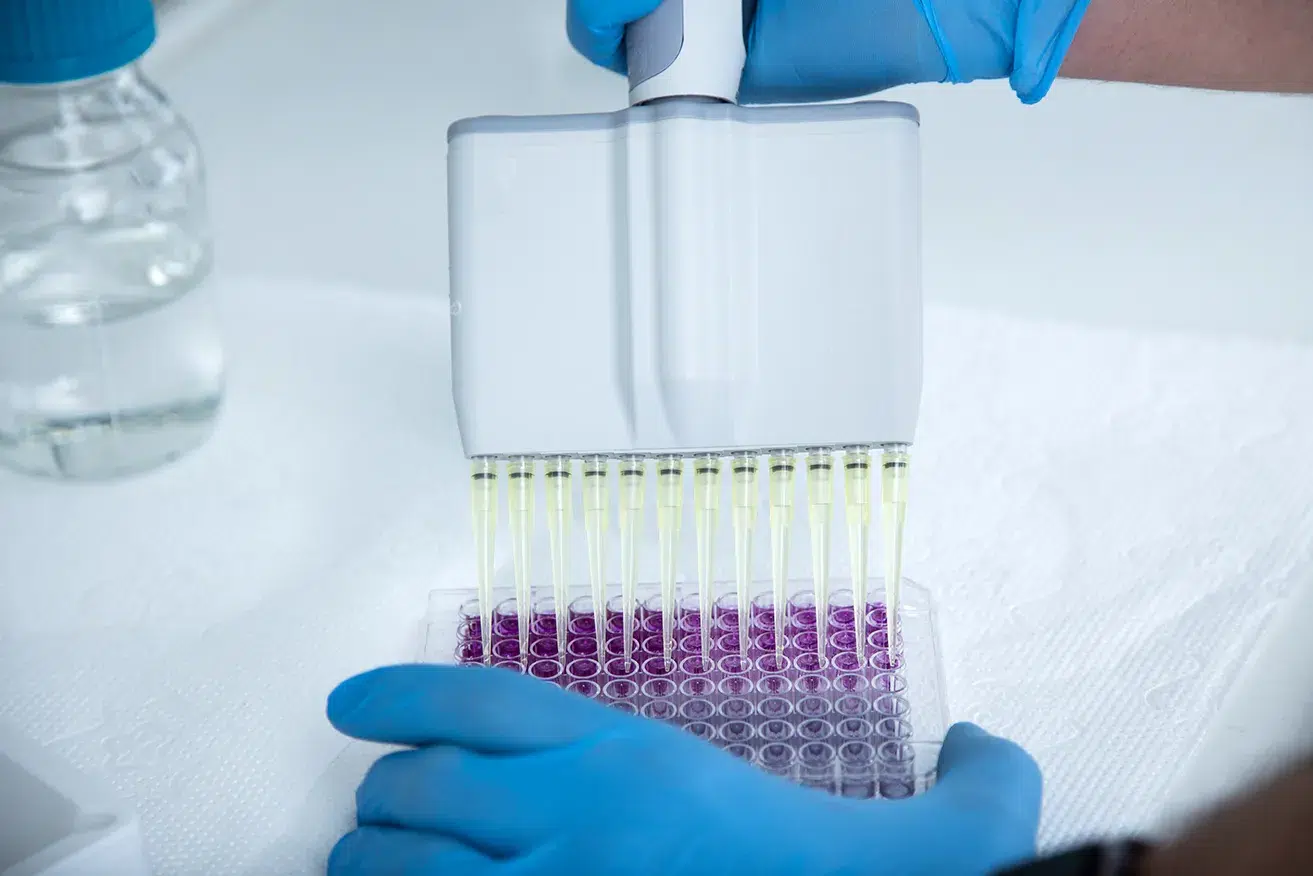
Encountering unwanted protein precipitation can be a frustrating and time-consuming issue across many scientific and industrial fields. Whether you’re working in a research lab developing new biopharmaceuticals, optimizing an industrial fermentation process, or even dealing with water treatment, the formation of insoluble protein aggregates can disrupt workflows, reduce yields, and compromise product quality. Understanding why this happens and how to effectively manage it is key to achieving successful outcomes.
What is Protein Precipitation?
Protein precipitation refers to the process in which soluble proteins transition into an insoluble form, forming aggregates or solid particles. This can occur due to changes in their environment that destabilize the protein’s three-dimensional structure, leading to exposure of hydrophobic regions or altered charge distributions. These changes promote interactions between protein molecules, causing them to clump together and fall out of solution.
Factors Influencing Protein Precipitation
Several environmental factors can trigger or exacerbate protein precipitation. Recognizing these triggers is the first step toward prevention and management.
- pH Changes: Proteins have an isoelectric point (pI) where their net charge is zero. Moving the pH away from the pI increases the protein’s net charge, which can, in some cases, lead to repulsion and solubility. However, extreme pH values can denature proteins, exposing hydrophobic regions and causing aggregation.
- Temperature Fluctuations: Elevated temperatures can increase molecular vibrations and disrupt weak bonds holding the protein’s structure together, leading to denaturation and precipitation.
- Salt Concentration: High salt concentrations can “salt out” proteins by reducing their solubility. This is often a controlled method for protein purification, but uncontrolled high salt levels can lead to unwanted precipitation. Conversely, very low salt concentrations can also destabilize some proteins.
- Solvent Exposure: Organic solvents, especially at higher concentrations, can disrupt the hydration shell around proteins and promote hydrophobic interactions, leading to precipitation.
- Mechanical Stress: Agitation, shearing, or foaming can introduce energy that denatures proteins, particularly at air-liquid interfaces, initiating precipitation.
- Presence of Other Molecules: Interactions with other proteins, nucleic acids, lipids, or contaminants can alter a protein’s stability and solubility.
Methods for Managing Protein Precipitation
Effectively managing protein precipitation involves a combination of preventative measures and targeted removal strategies.
- Process Optimization: Carefully controlling parameters like pH, temperature, and salt concentration during processing is crucial. Maintaining optimal conditions that keep proteins soluble is the most effective preventative measure.
- Use of Stabilizers: Adding stabilizing agents such as glycerol, sugars (like sucrose or trehalose), or certain amino acids can help maintain protein structure and prevent unfolding or aggregation.
- Filtration: For smaller precipitates, microfiltration or ultrafiltration can be used to physically remove them from the solution. This is common in downstream processing.
- Centrifugation: For larger or denser precipitates, centrifugation can effectively separate the solid protein aggregates from the liquid phase.
- Chemical Treatments: In specific industrial contexts, chemical agents might be used to break down or solubilize precipitated proteins. For instance, if you are looking to click to buy PPP removal cream, this indicates a targeted solution for a specific type of protein precipitation issue.
Common Mistakes and Misconceptions
Several common errors can hinder effective management of protein precipitation.
- Ignoring the Root Cause: Simply trying to remove precipitates without understanding why they formed can lead to recurring problems.
- Over-reliance on a Single Method: Different precipitation issues require different solutions. A one-size-fits-all approach rarely works.
- Assuming All Precipitates are the Same: The composition and behavior of precipitates can vary significantly, impacting the best removal strategy.
- Neglecting Material Compatibility: Ensuring that any removal agents or equipment are compatible with the proteins and the overall process is vital.
- Not Validating Removal Effectiveness: It is important to confirm that the precipitation has been adequately removed and that the removal process itself has not negatively impacted the desired product or solution.
Practical Takeaways for Prevention
Implementing these practices can significantly reduce instances of unwanted protein precipitation:
- Monitor Process Parameters Closely: Keep a vigilant eye on pH, temperature, and concentration levels.
- Handle Proteins Gently: Minimize mechanical stress and exposure to harsh conditions.
- Understand Protein Behavior: Research the specific solubility characteristics of the proteins you are working with.
- Test Stabilizing Agents: Experiment with different stabilizers to find what works best for your application.
A Decision-Making Perspective
When facing protein precipitation, the decision on how to proceed hinges on several factors. The cost and availability of reagents or specialized equipment are primary considerations. The scale of the operation is also critical; a lab-scale purification might tolerate a different approach than a large-scale industrial batch. Furthermore, the impact of any removal method on the final product’s integrity, purity, and intended use must be thoroughly assessed. Sometimes, a small amount of precipitate might be acceptable if removal is too costly or detrimental. Other times, complete removal is non-negotiable.
Looking Ahead: Advanced Solutions and Trends
The field continues to evolve with innovations aimed at preventing and managing protein precipitation more effectively. Advances in protein engineering are leading to the development of more stable protein variants. Similarly, novel excipients and formulation strategies are being explored to enhance protein solubility and shelf-life. For industrial applications, continuous processing and advanced separation technologies are offering more precise control and efficiency in removing unwanted aggregates, ensuring higher product quality and reduced waste.