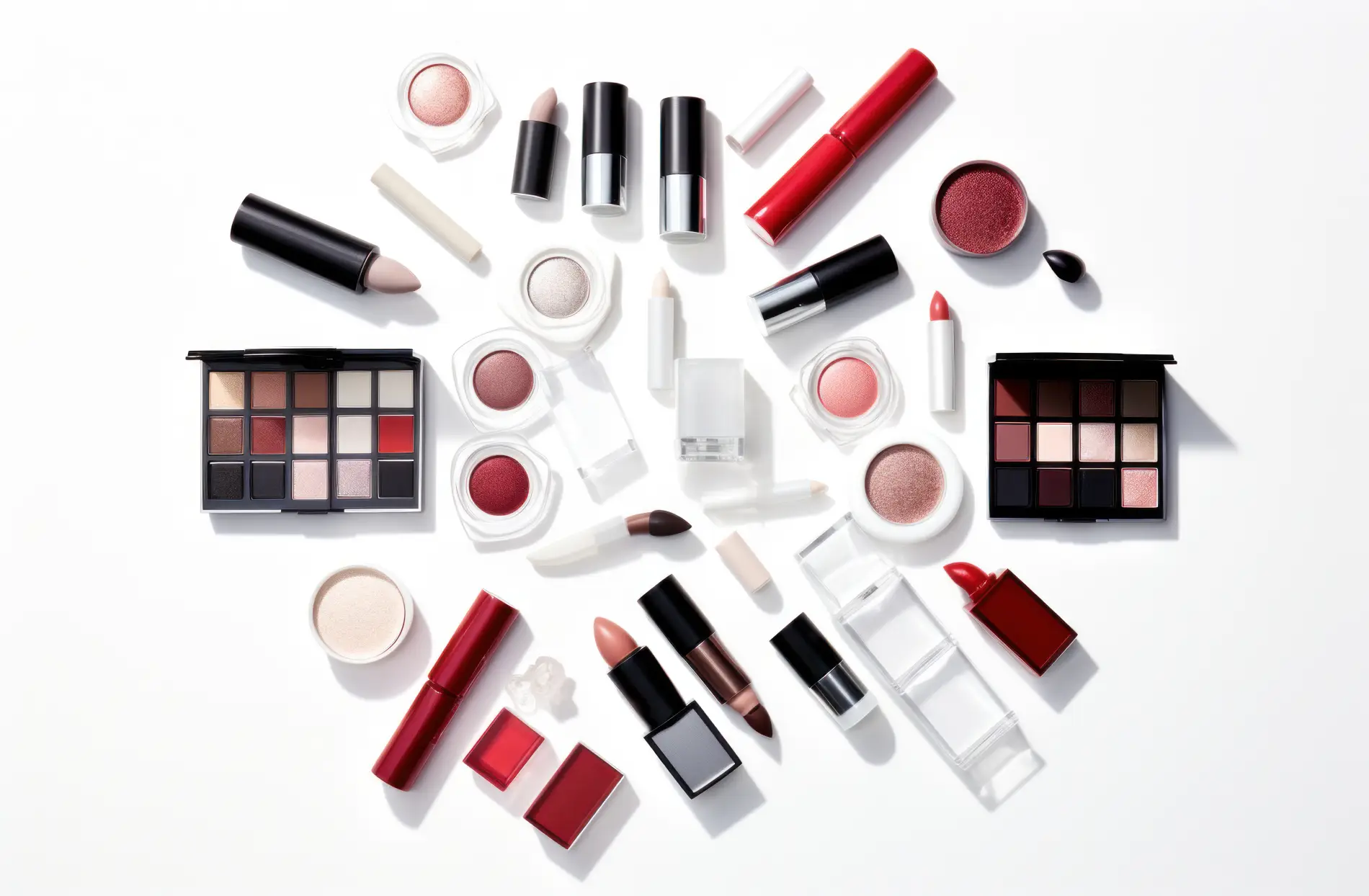
The beauty industry has always been influenced by changing consumer preferences, but the pace of change has accelerated significantly in recent years. Customers now have access to more information than ever before, allowing them to make purchasing decisions based on research, personal values, and product performance rather than advertising alone. This shift has encouraged brands to rethink how they develop and market their products.
Consumer expectations continue to evolve as new technologies, social platforms, and educational resources become widely available. Trends that once took years to gain momentum can now spread globally within weeks. As a result, businesses must remain attentive to emerging preferences and adapt accordingly.
Understanding these trends is essential for companies that want to remain competitive. Brands that respond effectively to changing demands often strengthen customer loyalty and position themselves for long-term success. Recognizing what motivates today’s buyers provides valuable insight into the future direction of the skincare market.
The Rise of Informed Purchasing Decisions
Consumers are spending more time researching products before making a purchase. Ingredient lists, product reviews, and educational content play a major role in shaping opinions. This behavior reflects a growing desire for confidence and clarity when selecting skincare products.
Rather than relying solely on brand reputation, many shoppers evaluate products based on their individual needs. They compare formulations, assess ingredient benefits, and seek evidence that supports marketing claims. This level of scrutiny encourages brands to be more transparent.
As informed purchasing becomes more common, companies must provide meaningful information that helps customers make decisions. Clear communication often creates a stronger connection between brands and their audiences. This trust can influence long-term purchasing behavior.
Personalization Is Becoming a Major Priority
One-size-fits-all solutions are becoming less appealing to modern consumers. People increasingly want products tailored to their specific skin concerns, lifestyles, and preferences. This demand has contributed to the growth of personalized skincare offerings.
Personalization extends beyond formulation. Customers also appreciate product recommendations, educational resources, and shopping experiences that feel relevant to their individual needs. These elements help create a more engaging customer journey.
Businesses offering private label skin care products have also recognized this trend. Flexible product options allow brands to create collections that target specific audiences. This adaptability helps companies respond to changing market demands more effectively.
The Influence of Social Media on Beauty Choices
Social media platforms have become powerful drivers of consumer behavior. Product discoveries often occur through content creators, customer testimonials, and educational videos rather than traditional advertising channels. This has changed how brands communicate with potential buyers.
Consumers frequently seek authentic experiences before trying a new product. Reviews, demonstrations, and personal stories provide insights that feel more relatable than conventional promotional messages. These interactions influence purchasing decisions across multiple demographics.
Social media also accelerates trend adoption. New ingredients, routines, and product categories can gain widespread attention quickly. Brands must monitor these developments while maintaining a focus on quality and credibility.
Demand for Transparency Continues to Grow
Transparency remains a significant factor in consumer decision-making. Buyers want to understand what ingredients are included in products and why they are used. This desire for information reflects broader expectations for honesty and accountability.
Clear labeling and accessible educational content help address these expectations. Consumers appreciate brands that explain formulations in straightforward language rather than relying on vague claims. This openness contributes to stronger trust.
Transparency also extends to sourcing and manufacturing practices. Customers increasingly want insight into how products are produced and whether ethical standards are being followed. Brands that provide this information often stand out in a competitive market.
Sustainability Is Influencing Purchasing Behavior
Environmental concerns are shaping the way many consumers evaluate beauty products. Sustainable packaging, responsible sourcing, and reduced waste initiatives have become important considerations for a growing segment of the market. These factors often influence brand perception.
Customers are paying closer attention to how products impact the environment throughout their lifecycle. This includes packaging materials, ingredient sourcing, and production practices. Brands that address these concerns can strengthen customer loyalty.
Sustainability efforts must be genuine to resonate with consumers. Shoppers are increasingly able to identify when environmental claims lack substance. Authentic commitments are more likely to build trust and credibility.
Interest in Simpler Skincare Routines
Complex skincare routines once dominated discussions within the beauty industry. Recently, many consumers have shifted toward simpler approaches that focus on essential products and consistent use. This trend reflects a preference for practicality and efficiency.
Simplified routines often emphasize quality over quantity. Customers are looking for products that deliver multiple benefits without requiring extensive application steps. This preference influences both product development and marketing strategies.
Brands that understand this trend can create offerings that align with modern lifestyles. Products designed for convenience and effectiveness often appeal to busy consumers seeking straightforward solutions.
Technology’s Expanding Role in Beauty
Technology continues to influence how consumers discover and evaluate skincare products. Digital tools, virtual consultations, and educational platforms have made information more accessible than ever before. These innovations are changing the customer experience.
Online resources allow consumers to learn about ingredients, compare products, and receive recommendations tailored to their needs. This access supports more informed decision-making and encourages greater engagement with brands.
Technology also enables companies to gather valuable insights into customer preferences. Understanding these behaviors helps businesses refine products and improve customer experiences. This data-driven approach supports continued innovation.
The Importance of Brand Authenticity
Authenticity has become a defining characteristic of successful beauty brands. Consumers are increasingly drawn to companies that communicate honestly and remain consistent in their messaging. Authentic brands often foster stronger emotional connections with customers.
This authenticity is reflected in how brands discuss their products, values, and goals. Clear communication helps establish credibility and encourages trust. Customers appreciate businesses that avoid exaggerated claims and focus on realistic expectations.
Building authenticity requires consistency across all aspects of the brand. Every interaction contributes to how customers perceive the company. Maintaining this consistency supports long-term loyalty.
Preparing for Future Consumer Expectations
Consumer trends will continue to evolve as new technologies, cultural shifts, and market developments emerge. Brands that remain adaptable are better equipped to respond to these changes without losing their identity. Flexibility is becoming an essential component of long-term success.
Monitoring consumer behavior provides valuable insight into emerging opportunities. Companies that listen carefully to customer feedback can identify trends before they become widespread. This proactive approach supports innovation and growth.
The future of beauty products will be shaped by informed consumers who prioritize transparency, personalization, and authenticity. Businesses that understand these expectations and respond thoughtfully will be well-positioned to thrive in the years ahead.