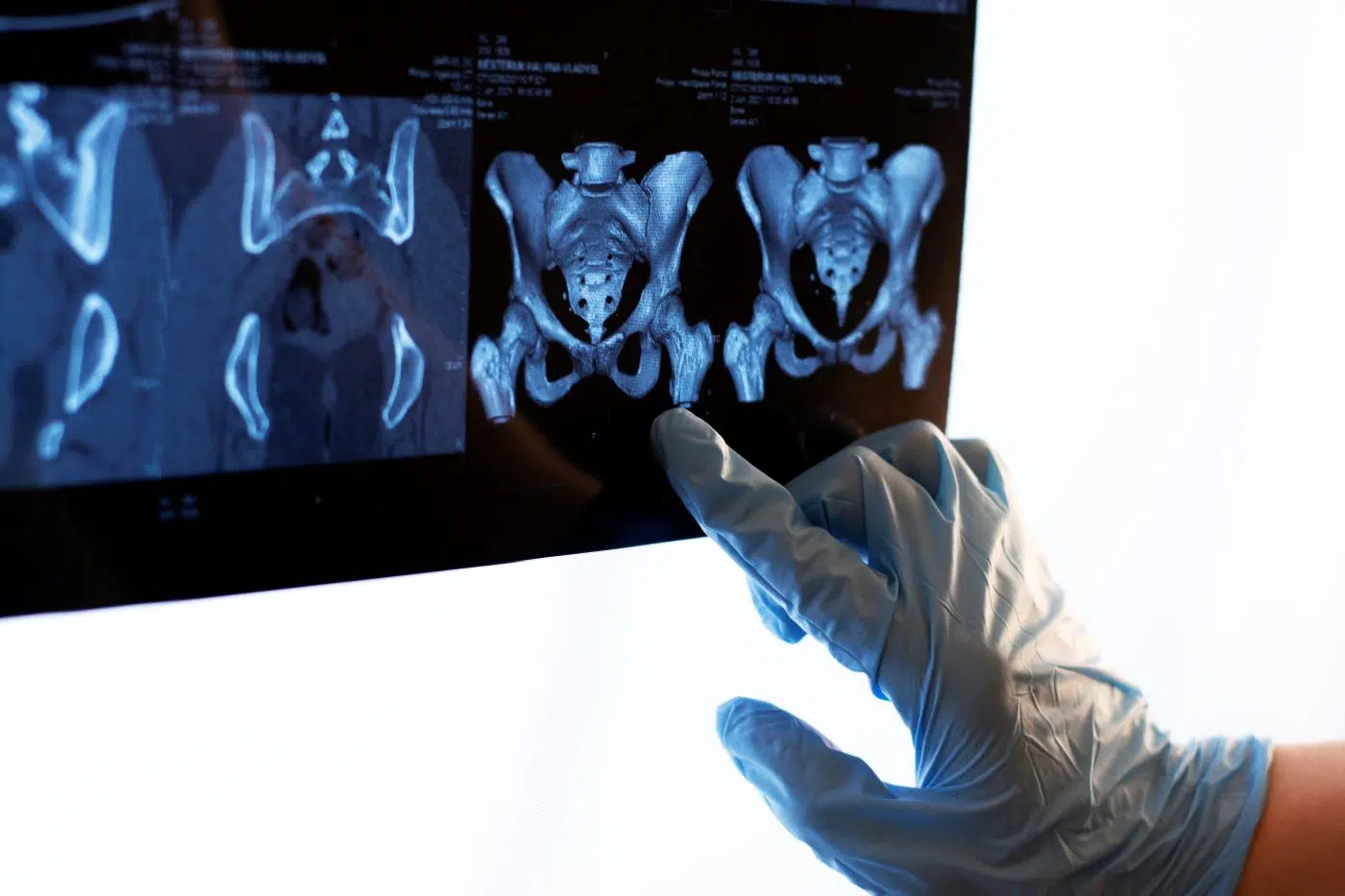
Hip pain can affect movement, independence, and daily activities such as walking, sitting, or climbing stairs. For some individuals, symptoms may gradually worsen over time due to joint degeneration, arthritis, or injury. When conservative treatment methods no longer provide sufficient relief, a doctor may discuss whether hip replacement surgery could be considered as part of a treatment plan.
Hip replacement surgery is commonly associated with age-related joint wear, although it may also be discussed for individuals with injuries or inflammatory joint conditions. Understanding the purpose of the procedure, recovery process, and possible considerations may help patients prepare for discussions with an orthopaedic doctor.
What Is Hip Replacement Surgery?
Hip replacement surgery, also known as hip arthroplasty, is a procedure where damaged portions of the hip joint are replaced with artificial components.
The hip joint is a ball-and-socket joint. The rounded top of the thigh bone fits into a socket within the pelvis, allowing smooth movement during walking and other activities. Cartilage normally cushions the joint surfaces and helps movement occur with reduced friction.
Over time, cartilage may wear down due to arthritis, ageing, or injury. This can result in pain, stiffness, and reduced mobility.
Total Hip Replacement
A total hip replacement involves replacing both the ball portion of the joint and the socket component with artificial implants.
Partial Hip Replacement
A partial hip replacement involves replacing only part of the hip joint. This may sometimes be considered in selected cases, such as certain hip fractures.
The type of surgery discussed depends on the patient’s condition, imaging findings, symptoms, and overall health.
Common Reasons Why Hip Replacement May Be Considered
Several conditions may contribute to hip joint damage and ongoing symptoms.
Osteoarthritis
Osteoarthritis is one of the more common causes of hip joint degeneration. According to Singapore healthcare resources, osteoarthritis occurs when the protective cartilage within the joint gradually wears away over time.
This may lead to:
- Pain during movement
- Joint stiffness
- Reduced flexibility
- Difficulty walking
Rheumatoid Arthritis
Rheumatoid arthritis is an inflammatory condition that may affect the hip joint. Persistent inflammation may contribute to joint damage and discomfort.
Hip Fractures or Injuries
Hip fractures resulting from falls or accidents may sometimes require surgical treatment. Previous injuries affecting the joint may also contribute to long-term joint problems.
Symptoms That May Lead Someone to Seek Medical Advice
Hip joint symptoms can vary between individuals. Common symptoms associated with hip joint conditions may include:
- Persistent hip pain
- Stiffness in the hip joint
- Reduced range of motion
- Pain in the groin, thigh, or buttock area
- Difficulty walking
- Limping
- Discomfort during daily movement
Some individuals may also notice symptoms worsening after physical activity or prolonged standing.
Non-Surgical Treatments That May Be Considered First
Before discussing surgery, doctors may recommend conservative treatment approaches depending on the severity of symptoms and underlying condition.
These may include:
- Physiotherapy
- Medication prescribed by a doctor
- Weight management strategies
- Walking aids
- Activity modification
- Injections where medically appropriate
Treatment recommendations vary according to the individual patient’s condition and medical assessment.
What Happens Before Hip Replacement Surgery?
Preparation for hip replacement surgery typically involves several assessments and discussions.
Medical Assessment
An orthopaedic doctor usually reviews the patient’s symptoms, medical history, and previous treatments before performing a physical examination.
Imaging and Diagnostic Tests
X-rays are commonly used to assess the hip joint. Additional imaging such as MRI scans may sometimes be recommended depending on the individual case.
Patients may also undergo blood tests and pre-operative evaluations before surgery.
Preparing for Surgery
Patients may receive instructions regarding:
- Medication adjustments
- Fasting before surgery
- Preparing the home for recovery
- Arranging post-operative support
Understanding rehabilitation and recovery expectations beforehand may help patients prepare for the post-surgery period.
What Happens During Hip Replacement Surgery?
During the procedure, damaged cartilage and bone within the hip joint are removed and replaced with artificial implants.
The surgery is performed under anaesthesia, and the duration of the procedure may vary depending on the individual case and surgical approach.
Following surgery, patients are typically monitored in hospital before beginning rehabilitation exercises and assisted movement.
Recovery After Hip Replacement Surgery
Recovery timelines differ between individuals and may depend on factors such as age, overall health, rehabilitation progress, and the extent of surgery.
Hospital Recovery
After surgery, healthcare teams monitor the patient’s recovery and provide pain management support. Patients are often encouraged to begin gentle movement and walking exercises under supervision.
Physiotherapy and Rehabilitation
Physiotherapy commonly forms part of the rehabilitation process after hip replacement surgery. Rehabilitation exercises may help support mobility, flexibility, and muscle strength.
Patients are generally advised to follow rehabilitation plans and medical instructions during recovery.
Returning to Daily Activities
The timeline for returning to daily activities varies between individuals. Some patients may gradually resume routine activities over several weeks or months based on medical advice and recovery progress.
Possible Risks and Considerations
As with many surgical procedures, hip replacement surgery carries potential risks and considerations. These may include:
- Infection
- Blood clots
- Joint stiffness
- Hip dislocation
- Implant wear over time
- Need for additional surgery in some cases
Doctors usually discuss these considerations during consultation and informed consent discussions.
When Should Someone Consult an Orthopaedic Doctor?
Individuals experiencing persistent hip pain or reduced mobility may consider seeking medical assessment if symptoms:
- Persist despite conservative treatment
- Affect walking or daily movement
- Limit regular activities
- Interfere with sleep or work
- Continue worsening over time
Medical assessment may help identify the cause of symptoms and guide treatment discussions.
Hip replacement surgery is one treatment option that may be considered for individuals with significant hip joint damage and ongoing symptoms affecting daily life. Understanding the causes of hip pain, available treatment approaches, and recovery considerations may help patients make informed decisions during consultations with an orthopaedic doctor.
Individuals experiencing persistent hip discomfort or mobility concerns are encouraged to seek professional medical advice for individual assessment and treatment recommendations.