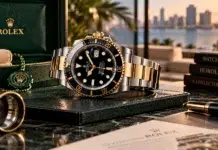
Two gold items that look alike can receive very different offers. Purity, usable metal weight, market prices, and the buyer’s costs shape the payment, while gemstones or collectible features may add value that a scrap calculation misses.
What Goes Into a Gold Buyer’s Offer?
When requesting a quote, ask how the assessment connects the item’s gold content with the proposed payment. Factors such as gold jewelry depreciation, condition, craftsmanship, and resale demand may affect what a buyer is willing to pay beyond the underlying value of the metal.
The buyer may consider:
- The tested gold purity, rather than relying only on a stamp or the seller’s original purchase receipt.
- The weight of the gold-bearing metal after allowing for stones, inserts, and other components that are not the same alloy.
- The market reference used at the time of the quotation, including its currency and unit of measurement.
- The cost of testing, handling, refining, and selling the material, plus the margin needed to operate the business.
- Whether the item will be melted, repaired, sold as jewelry, or passed to a specialist collector.
- Whether gemstones, designer signatures, documentation, or unusual features justify a separate allowance beyond the metal.
- Any fees, payment conditions, or return costs that affect the amount you ultimately receive.
The original shop price is not a reliable guide to a cash offer. It may have included manufacturing, retail overhead, branding, and taxes that a buyer cannot recover when purchasing the item for its metal.
Which Factors Have the Biggest Effect on Gold Value?
For a metal-based assessment, begin with purity, weight, and a matching market reference. The Federal Trade Commission explains that karat expresses gold content in parts out of 24, making it a useful starting point for understanding an alloy.
Gold Purity and Karat
A karat number describes the proportion of gold in an alloy. Two rings can weigh the same but have different metal values simply because one contains more gold than the other.
For a metal-based estimate, divide the karat number by 24 and multiply by the alloy weight. A 20-gram 18K chain therefore contains a nominal 15 grams of gold before deductions.
Net Metal Weight
An item’s total weight can include diamonds, clasps, steel parts, or decorative inserts. Only the relevant metal weight belongs in a calculation based on the tested gold alloy.
Ask the buyer to distinguish gross weight from net metal weight. If stones remain mounted, an allowance for their weight must be explained rather than hidden in the net offer.
The Market Benchmark
Gold is typically quoted per troy ounce, while jewelry is usually weighed in grams. A troy ounce equals about 31.1035 grams, so the units must match before you compare values.
The market benchmark can change between your first enquiry and a later visit. Ask which reference rate was used, its currency, and whether the offer is fixed or still variable.
The Buyer’s Payout Percentage
A buyer’s payment is usually below the estimated melt value when the item is purchased for refining. Processing costs, business expenses, price risk, and profit affect the gap.
Ask for the net payment as a share of the full metal value. This helps you compare buyers without assuming that an advertised payout percentage includes every possible charge.
Testing and Verification
Hallmarks help identify an item, but a buyer may verify the metal through testing. Repairs, mixed alloys, worn stamps, and plated surfaces can complicate a simple visual check.
Ask how testing works and whether it could leave a mark. A result should be explained well, especially if it differs from the stamp or an earlier assessment of the same piece.
The Intended Resale Route
An intact item can have varying values in different markets. A scrap buyer focuses on recoverable metal, while a jewelry reseller also considers demand for the finished piece.
Weigh local gold-selling options before treating each item as scrap. Ask whether the quoted price includes craftsmanship, maker recognition, or only the measured gold content.
What Can Change an Offer Beyond the Gold Content?
The metal calculation does not capture every reason someone might buy an item. A finished piece, unusual coin, or valuable gemstone may need a different assessment from an ordinary broken chain.
-
Gemstones and Other Materials
Gemstones do not become gold value just because they sit in a gold setting. Their sale value depends on quality, size, condition, demand, and whether the buyer handles stones.
A buyer may make a metal-only offer for a ring with stones. Ask whether gems are included, returned, or separately priced before agreeing to testing, removal, or a final sale.
-
Designer Names and Antique Value
Established designers and documented antiques may attract a resale premium. The name alone is not enough; buyers need confidence in authenticity, condition, and market demand.
Original boxes, receipts, signatures, and good provenance can support identification. They do not guarantee a premium, but they may help an appropriate buyer assess the piece.
-
Condition and Repair Needs
A snapped bangle still contains gold, so damage does not automatically erase its scrap value. Wear matters more when the buyer plans to repair and resell the complete jewelry.
Do not pay for repairs just to improve a melt offer. First ask whether the expected price increase can cover the repair bill, especially for ordinary chains or single earrings.
-
Collectible Coins
Some coins trade mainly on gold content, while others have collectible value. Scarcity, date, mint mark, grade, and demand can make a metal-only offer incomplete or misleading.
Seek an appropriate coin assessment before selling unusual pieces as scrap. Avoid polishing them, since cleaning can damage original surfaces that collectors seek to preserve.
-
Mixed Lots and Separate Valuations
A mixed jewelry lot may contain several karats, plated pieces, and non-gold items. Separate pricing helps you see how each group adds to the total instead of accepting a guess.
Ask for the weights and tested purity of each category on the offer sheet. A transparent breakdown makes it easier to compare each buyer without confusing different materials.
-
Fees and Quotation Timing
Shipping, return postage, handling charges, or commissions can reduce a quoted payment. The price that matters is the money you keep after all agreed costs have been deducted.
Check payment timing and offer expiry before accepting. If you compare quotes on other dates, a market movement may explain part of the difference rather than a better margin.
How Can You Compare Gold Offers Fairly?
Ask buyers to explain their figures in the same units and for the same items. Compare the final payment, not an advertised rate that leaves the weight, purity, or deductions unclear.
| Figure to compare | What it should tell you | Question to ask |
| Tested purity | Gold proportion used in the calculation | Which karat or fineness did testing indicate? |
| Net metal weight | Alloy weight after relevant deductions | How were stones and other components allowed for? |
| Market reference | Benchmark behind the estimate | Which rate, currency, and time were used? |
| Metal-value estimate | Approximate gold value before the buyer’s margin | Can you show the calculation? |
| Extra resale allowance | Value attributed to features beyond the gold | Are stones or collectible features priced separately? |
| Final payment | Amount you receive under the agreed terms | Are all charges already included? |
A simple hypothetical example helps. At an assumed pure-gold value of $100 per gram, 20 grams of 18K alloy contains about $1,500 in gold. A $1,200 net offer would equal 80% of that estimate. These figures illustrate the calculation, not current prices or a universal fair payout.
Before accepting a quote:
- Obtain two or more assessments close together when practical. A large market change between appointments can make an otherwise useful comparison misleading.
- Ask for separate weights and prices for different karats. One unexplained total makes it difficult to spot an incorrect purity assumption.
- Tell the buyer if an item might be branded, antique, or collectible. Consider another opinion if the offer treats everything as ordinary scrap.
- Discuss testing before it starts. Understand whether the method involves filing, acid, dismantling, or any other action that could affect resale condition.
- Confirm how gemstones will be handled. Do not assume a gold offer includes a meaningful allowance for diamonds or other mounted stones.
- Read postal, return, and acceptance terms before sending items away. Insurance and tracking matter when the jewelry leaves your possession.
- Keep a written inventory and obtain an itemized receipt. Record the agreed amount and make sure the payment method matches what was promised.
- Take time to decide if the explanation remains unclear. A transparent offer should let you understand the calculation without relying on pressure or a headline claim.
Conclusion
The price you get for gold depends on purity, net metal weight, the market benchmark, and the buyer’s payout terms. Gemstones, designer names, condition, and collectibility can add value outside a scrap calculation. Compare itemized offers made under similar conditions and confirm every deduction. Knowing how the price was built helps you judge the final payment rather than an impressive headline.