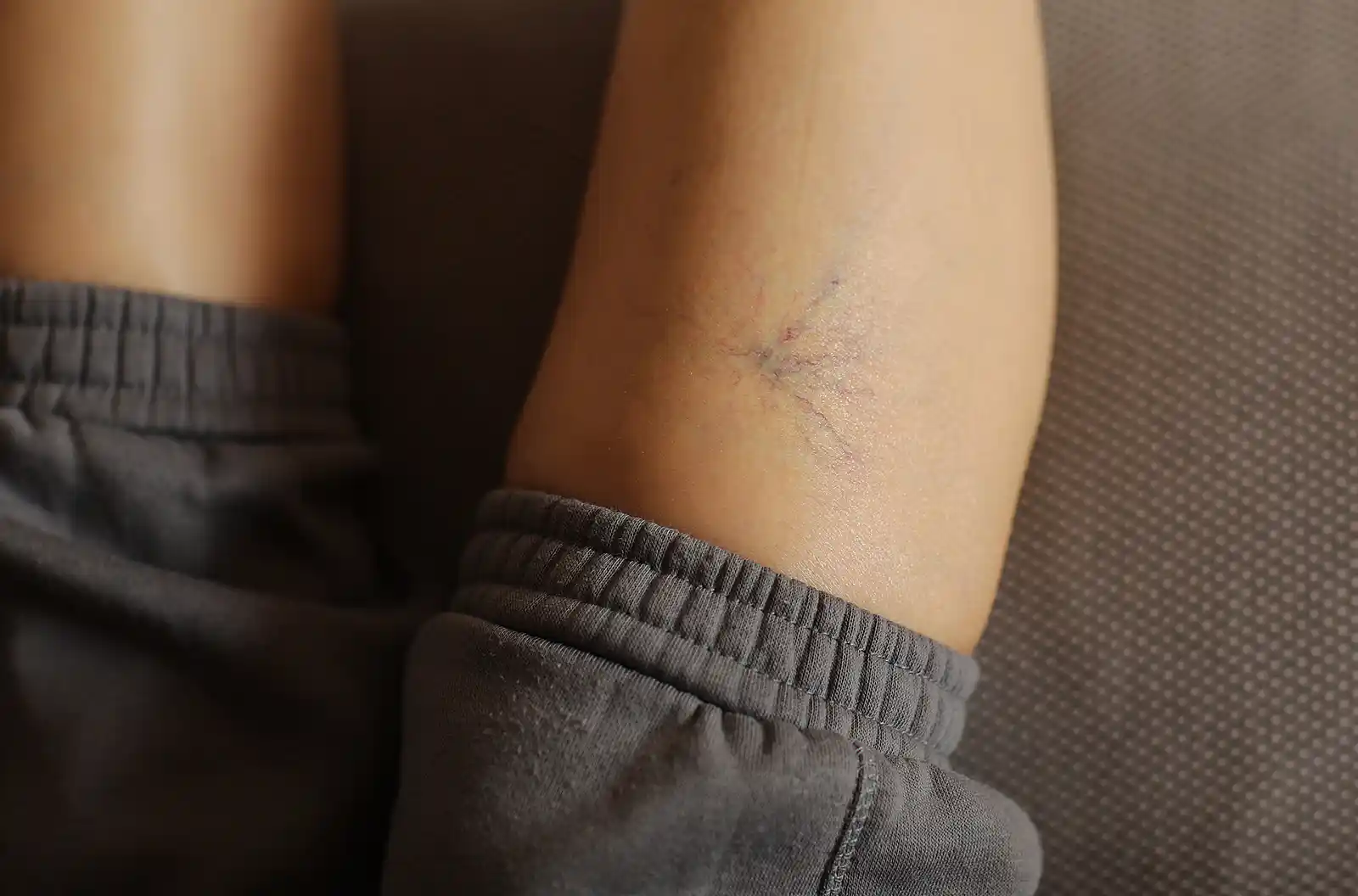
Vein treatments are commonly sought by individuals experiencing discomfort, health concerns, or cosmetic issues related to their veins. Making an informed decision can significantly enhance satisfaction and treatment outcomes. Read through the post to know the factors patients must know before choosing vein treatments.
Assessing the Need for Treatment
Varicose and spider veins are not life-threatening conditions, but they do cause discomfort and may contribute to a lack of confidence. The symptoms can be a sensation of heaviness, aching, or swelling in the legs. Consultation with healthcare providers, like New York Metro Vein Specialists, can answer the need for treatment or whether lifestyle changes can alleviate the symptoms. By taking proactive measures and identifying potential health concerns early on, you can feel confident about your health.
Understanding Available Options
There are several modern ways medicine can treat veins. These methods include sclerotherapy, laser therapy, and minor surgical procedures. There are distinct advantages and disadvantages to each approach. The type of treatment depends on the severity and location of the veins and the health of the patient. A specialist discusses all the treatment options with the individual and ensures that the recommended procedure aligns with their specific circumstances.
Evaluating Safety and Effectiveness
In vein procedures, patient safety remains a top priority. All treatments come with minimal risk. Side effects such as bruising or swelling may occur. Blood clots and infections can sometimes occur, but are less common. Safety records and inquiries regarding possible risks help patients choose the better and safer option for their health.
Considering Provider Experience
Vein treatments are highly dependent on the skill and experience of the provider performing the vein treatment procedures. Experts use the latest methods to achieve the best results. Ideally, patients should search for board certification as well as inquire about the provider’s history with similar cases. Having it done professionally also limits complications and improves the chances of being satisfied with the results.
Cost and Insurance Coverage
The cost of vein procedures can differ according to the specific kind of procedure performed and the facility in which the procedure is done. Health insurance plans provide coverage for medically necessary treatments. In most cases, you are responsible for paying for cosmetic procedures. Patients need to be sure to ask up front and should be aware of payment plans before undergoing surgeries. Knowing what is covered and what will cost you helps you to avoid surprises down the line.
Preparing for the Procedure
Preparation is an important step in the course of treatment. This may involve needing to refrain from using certain medications or following other special instructions leading up to the visit. Dressing in comfortable clothing and securing your transport can definitely enhance the experience. Pre-treatment guidelines reinforce the safety and effectiveness of the procedure.
Recovery and Aftercare
Depending on the specific treatment selected, the recovery periods vary. Most procedures enable you to get back to your routine in one or two days. Though others may need you to rest, use compression stockings, or refrain from heavy lifting for a short time. Proper aftercare, as prescribed by the provider, is crucial to avoid hurting the skin and facilitate healing.
Expected Results and Limitations
Treatment for vein morphology, in many instances, will alleviate discomfort and renew aesthetics. Results may vary between individuals, though. While some veins will disappear completely, others may require further treatment. Patients should know what to expect from their provider and have realistic expectations of their results.
Potential Risks and Side Effects
Every medical operation has risks. Most vein treatment side effects are mild, including a bit of swelling, redness, or bruising. Typically, these are self-limiting and can resolve rapidly with care. On rare occasions, patients can have allergic reactions or skin discoloration. Discussing expected complications before treatment gives reassurance and enables the immediate management of any arising issues.
Long-Term Care and Prevention
Healthy habits after treatment can help continue results. Vein health is supported by regular exercise, weight control, and the avoidance of standing for long periods of time. Wearing breathable garments, as recommended by your doctor, also prevents new issues. Regular care helps comfort and makes the look last longer.
Conclusion
Selecting vein treatments necessitates appropriate research as well as conversation with healthcare experts. Patients who receive proper education and guidance receive comfort and a more appealing and lasting appearance. Choosing wisely results in greater happiness and health for all those who seek vein care.